



The modern distribution activity recently needs a more efficient and integrated transportation system for delivering products to the destination. Therefore, the right delivery method plays a crucial role in the company’s logistics operation.
One of the approaches commonly used is intermodal transportation, since it can optimize goods delivery. Let’s learn more about the concept of intermodal transportation, including its benefits and history, in this article!
What Is Intermodal Transportation?
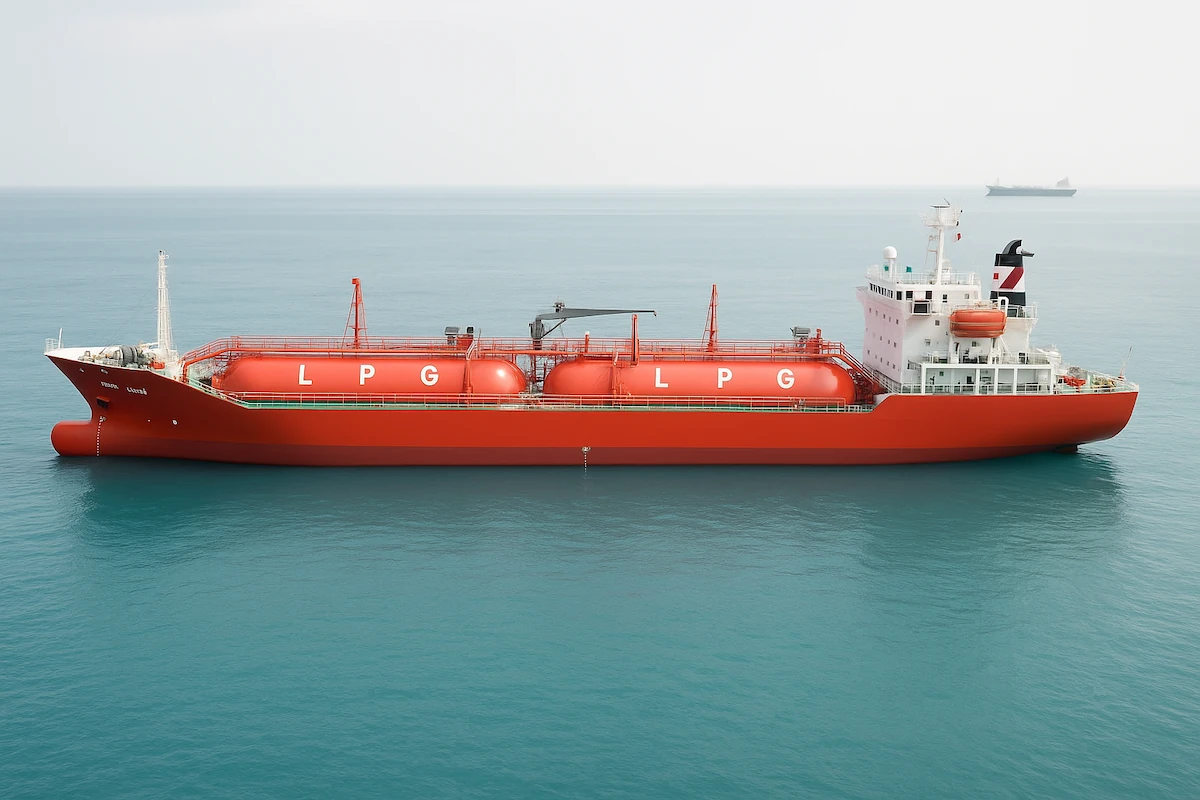
Intermodal transportation is a goods delivery system using more than one mode of transport in a single logistic journey without unloading the goods inside the containers.
The most common fleets used in intermodal transport are trucks, trains, vessels, and planes, especially for intercountry delivery. In this intermodal system, the goods are stored in standardized containers, making it easier to be unloaded and loaded from one fleet to another.
For example, the containers are carried by trucks to the warehouse in the port, and then are moved to the vessels. Once they reach the designated ports, the containers are carried by trucks or trains to the final destination.
History of Intermodal Transportation
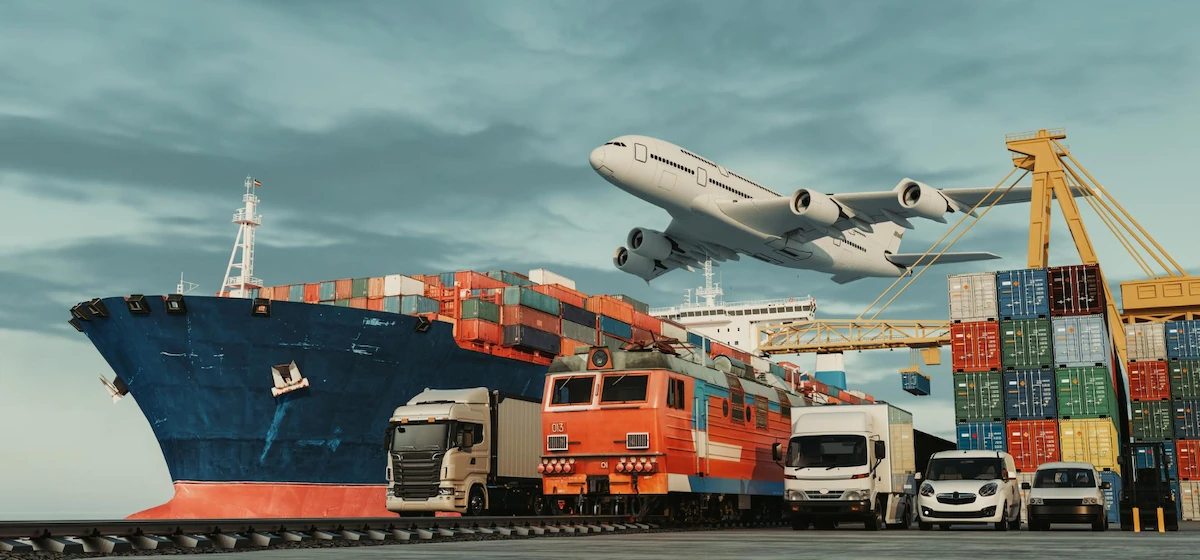
The history of intermodal transportation began from a need to improve the efficiency of goods delivery. Before this system was developed, the delivery process used a break-bulk cargo system, in which the goods were packed in small packages manually in the vessels, trucks, or trains.
In the break-bulk cargo method, every time goods change modes of transportation, packages must be unloaded and reloaded one by one, making the distribution process slow, expensive, and high-risk of cargo loss.
The early development of the intermodal concept could be traced back to the late 19th century in England. At that time, railroad companies began using large containers to transfer cargo from trains to ships without unloading the contents.
In addition, some companies also use a combination of trains and ships to transport coal in large containers. This practice became one of the earliest examples of integrating multiple modes of transportation into a single shipping system.
Significant progress occurred in the mid-20th century, when the containerization system began to develop. During World War II, the U.S. military used steel containers to transport ammunition and logistical supplies. It helped speed up the distribution process and reduce damage to goods during shipping.
From the 1950s through the 1960s, containers began to be standardized so they could be used across various modes of transportation. This standardization allowed goods to be moved easily without unloading and reloading the contents.
Technological developments continued into the 1980s with innovations such as double-stack rail cars, which allowed two layers of containers to be transported in a single car. This innovation increased shipping capacity while reducing logistics costs.
Read also: New Chemical Vessels to Boost Indonesia’s Role as Regional Chemical Distribution Hub
Differences Between Intermodal and Multimodal Transportations
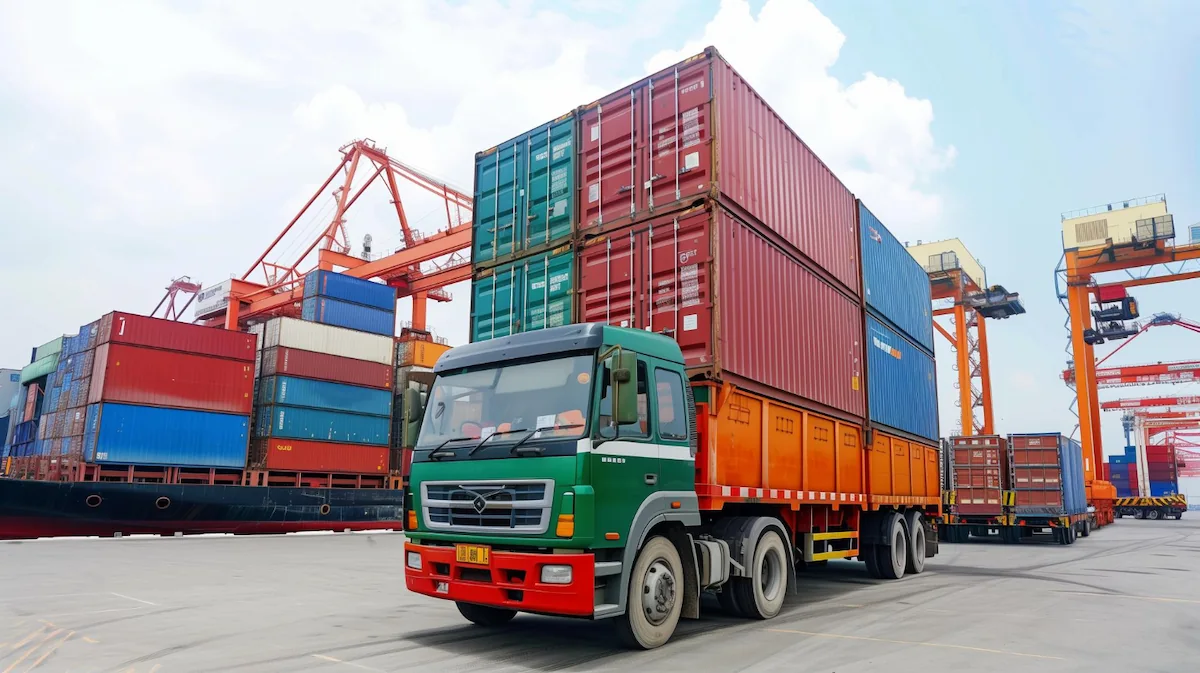
In the logistics field, intermodal transportation vs. multimodal transportation is commonly discussed. Both refer to the delivery concept using more than one fleet.
Despite looking the same, intermodal and multimodal transportation have several differences in the management, delivery process, and operational responsibility.
In intermodal transportation, every fleet is managed by different operators. The goods are transported using one similar container, but the intermodal moving process involves some contracts or service providers. In other words, the delivery responsibility is divided between every operator in each journey.
An example of intermodal transportation is land-based shipping using trucks and trains. Containers are picked up from the factory by trucks and transported to a train station. From there, the train carries them to the destination city. Finally, trucks in the destination city deliver the goods to the end consumer.
Meanwhile, multimodal transportation is managed by a single shipping operator. This operator is fully responsible for the shipment of goods from the point of origin to the final destination. This simplifies shipment coordination for the shipper.
An example is intercontinental shipping via land and sea routes, which involves transporting containers from a warehouse to a port. Afterward, the containers are loaded onto cargo ships bound for the destination city. Upon arrival, other trucks will deliver the goods to their final destination.
In conclusion, intermodal transportation emphasizes the integration between fleets using separate management. On the other hand, multimodal transportation offers easier coordination since all delivery processes are under the same management.
Advantages of Intermodal Transportation
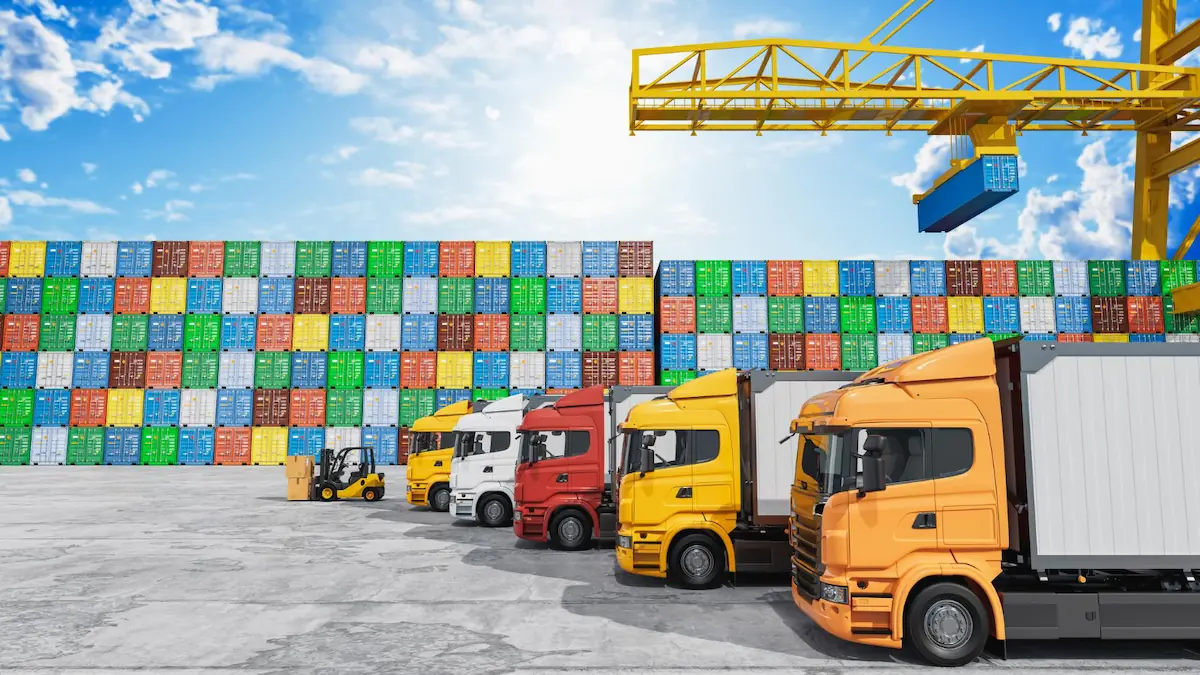
Intermodal transportation offers various advantages for companies managing goods distribution regionally or globally. Through fleet integration in one delivery system, this method helps improve operational efficiency and maintain the supply chain.
Then, what are the advantages of intermodal transportation? Here are some of them:
1. Logistics Cost Efficiency
One benefit of intermodal transportation is helping companies to reduce logistics costs. The use of trains or vessels for long voyages can be more economical than using only trucks.
2. Efficient Delivery
By leveraging the benefits of each fleet, the distribution process can be more efficient. For instance, a vessel is used for a long-distance journey, while a truck is used for the final delivery to the destination.
3. Low Risk of Damaged Goods
In intermodal transportation, the goods will be stored in containers or cargo units along the journey. Therefore, you do not need to unload and load the goods, reducing the risk of damage or loss of goods during the distribution process.
4. Environmentally Friendly
The use of fleets such as trains and vessels in intermodal transportation can help reduce carbon emissions compared to all-land transportation. As such, intermodal transportation can be part of a more sustainable logistics strategy.
Read also: CDI Group Completes Acquisition of PT Barito Investa Prima
Land and Sea Logistics Solution for Intermodal Transportation
Intermodal transportation becomes one of the crucial strategies in creating a more efficient and integrated distribution system. By combining various fleets, your company can optimize the delivery process while maintaining the supply chain flow.
In practice, the success of intermodal transportation also depends on reliable infrastructure and logistics services. Coordinated management of land and sea transportation can help ensure that the distribution process runs safely, efficiently, and on time.
If you need reliable and safe land and sea logistics service, Chandra Daya Investasi has the solution. As #YourGrowthPartner, we bring land and sea logistics solutions operated by Chandra Daya Investasi through Chandra Shipping International, PT SCG Barito Logistics, and PT Chandra Cold Chain.
Right now, we operate more than 10 vessels with a capacity of up to 106,650 DWT and 200+ trucks of various types according to your needs. Entrust your logistics needs to Chandra Daya Investasi!
Read also: CDI Group Strengthens Chemical Industry Supply Chain with Launch of New Chemical Logistics Vessel