



In today's logistics world, delivery must be fast and efficient. Therefore, companies need to rely on various types of transportation in the distribution process. In this case, the role of multimodal transportation is very necessary.
Multimodal transportation is a goods delivery system that uses more than one mode of transport in a single journey to deliver goods to their destination. So, what are its types and benefits in logistics activities? Read this article until the end to find out the answer.
What Is Multimodal Transportation?
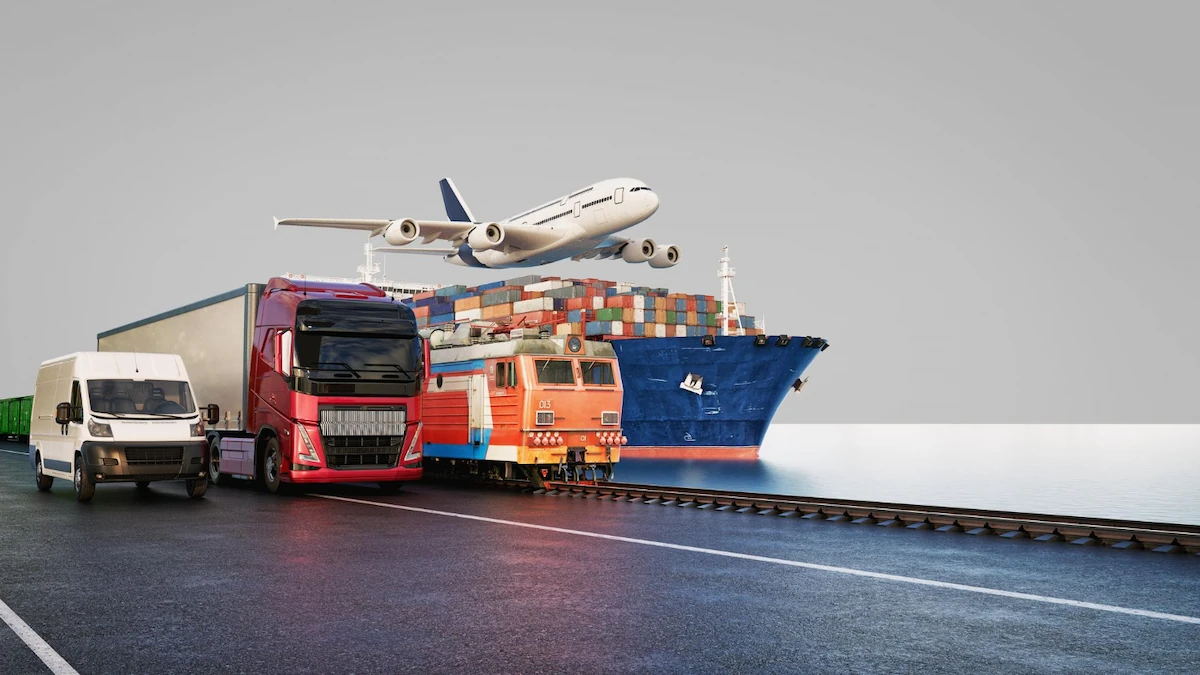
Multimodal transportation is a goods delivery system that uses more than one mode of transport, such as trucks, trains, or ships, in a single journey.
An example of multimodal transportation is truck–ship delivery. This delivery starts at the warehouse by truck to the port, then continues by ship. Upon arrival at the destination port, the distribution process is continued by truck to the final destination.
This distribution system is usually managed by a single party with one shipping contract, so the process is well organized.
In practice, the delivery of goods starts at the warehouse and can be transferred via several modes of transportation until it reaches the final destination. This concept is also applied in intermodal transportation. However, multimodal and intermodal transportation differ in several ways.
If intermodal uses several carriers under different contracts, multimodal transportation remains under a single contract, even when using various modes.
More integrated multimodal transportation is often used in international trade and large-scale distribution. This system makes long-distance shipping more efficient, reduces logistics management complexity, and helps companies better manage distribution costs.
Types of Multimodal Transportation
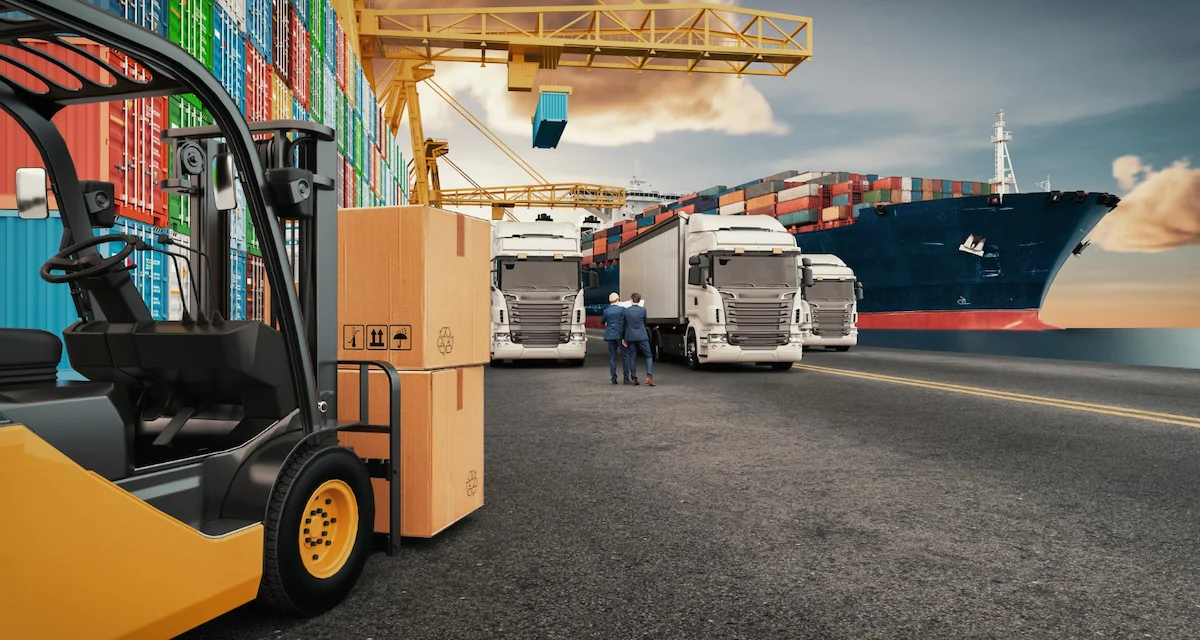
In practice, multimodal transportation uses several modes of transport that are interconnected within a single delivery chain. This system, called a multimodal transportation system, allows for the coordinated management of various transportation modes. Here are some types of fleets commonly used in multimodal transportation.
1. Land–Sea
Inter-island or international goods shipments usually utilize a combination of land and sea transportation. The process starts at the warehouse, where trucks carry goods to the port.
After that, the goods are loaded onto a ship for shipment to the destination port. Once they arrive, trucks are used again to deliver the goods to the final destination, such as a warehouse, store, or the recipient's location.
2. Land–Air
This combination of transportation is usually chosen when fast delivery is required for shipping goods. The system uses land and air transportation to deliver goods more quickly.
For example, high-value electronic products are shipped from the factory using a truck to the airport. After that, the goods are shipped by plane to the destination city. Once they arrive at the destination airport, the goods are delivered to the customer using land transportation such as trucks or logistics vehicles.
3. Rail–Sea
Shipping via rail and sea is often used in countries with well-developed railway networks. Trains are used to carry large quantities of goods to the port.
After arriving at the port, the goods were loaded onto a ship for shipment to the destination country. This method helps make the shipping process more efficient, especially for long-distance and large-quantity shipments.
4. Air–Sea
The combination of air and sea transportation is not used very often. However, this method can be an option for reducing shipping costs by using air transportation entirely. Compared to the delivery time that only uses sea shipping, this option is faster.
Read also: CDI Group Strengthens Chemical Industry Supply Chain with Launch of New Chemical Logistics Vessel
The Benefits of Multimodal Transportation in Logistics
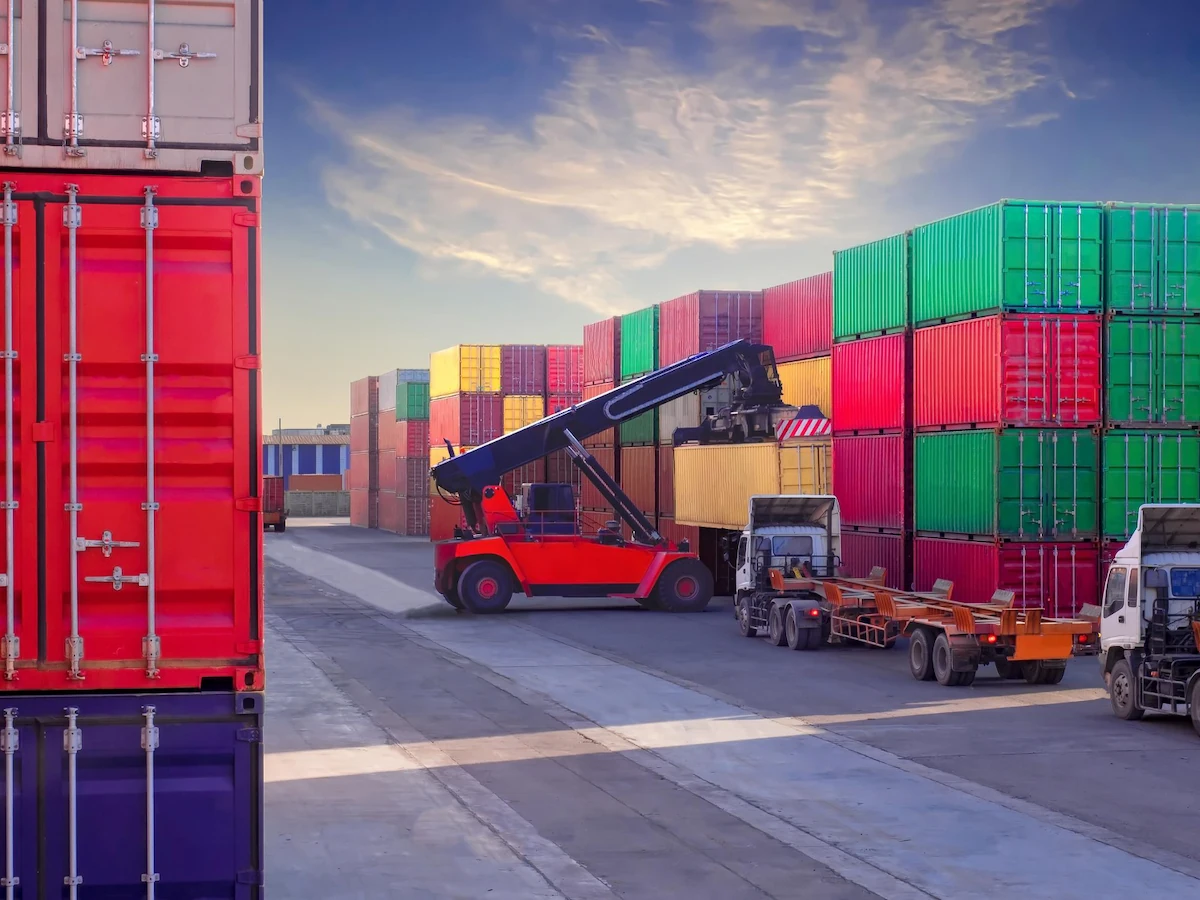
The use of multimodal transportation not only helps make the shipping process more organized but also benefits logistics activities. Here are some advantages of multimodal transportation in the distribution process:
1. Cost and Time Efficiency
By combining several modes of transportation, companies can optimize delivery routes for cost and time efficiency.
For example, long-distance shipments use sea transport because it is more affordable. Once the goods arrive at the destination port, distribution continues by truck to reach the recipient's location faster.
2. Delivery Flexibility
In certain situations, such as bad weather, traffic congestion, or disruptions to transportation routes, companies can immediately switch transportation modes. For example, if a truck is delayed due to a road closure, the delivery can be redirected by rail or sea if possible.
The ability to adjust the type of delivery transportation is important for logistics companies and shippers to consider. This flexibility helps ensure that goods are delivered on time, reduces the risk of delays, and maintains customer satisfaction.
3. Improved Business Competitiveness
Companies that can operate a multimodal transportation system effectively can offer faster, more cost-efficient, and more reliable delivery services.
This advantage is important to highlight, especially in the era of e-commerce and global trade, where customers expect goods to arrive on time and at a reasonable cost.
Chandra Daya Investasi: Trusted Land and Sea Logistics Partner
That concludes the information on multimodal transportation, from its definition to its various types and benefits. Multimodal transportation is a system for shipping goods that uses more than one mode of transport, such as trucks, trains, ships, or planes, in a single journey.
A distribution system using multimodal transportation can help ensure that goods reach consumers on time and safely.
If your company requires multimodal transportation services for chemicals, LPG, or other goods, Chandra Daya Investasi, as #YourGrowthPartner, is ready to support the smooth distribution of your business through marine and inland logistics.
Through PT Chandra Shipping International (CSI), Chandra Daya Investasi operates a comprehensive fleet that continues to grow to meet shipping needs, ensuring goods arrive on time and in good condition.
Currently, there are more than 10 LPG and chemical transport vessels with capacities of up to 106,650 DWT. This fleet continues to be developed in line with distribution needs to ensure smooth, timely deliveries.
Additionally, we provide land logistics with 200+ truck fleets under the operations of PT SCG Barito Logistics and PT Chandra Cold Chain, serving inter-island transportation, sea transport, export-import facilitation, and customs services.
With the support of modern technology and a professional workforce, Chandra Daya Investasi offers safe, efficient, and sustainable multimodal transport solutions. Entrust your company's multimodal logistics needs to Chandra Daya Investasi.
Read also: New Chemical Vessels to Boost Indonesia’s Role as Regional Chemical Distribution Hub