



Domestic wastewater is a pollution source that is often overlooked, even though its management is crucial to public health and the environment.
It’s important to note that every activity at home or in the office, from washing to cooking, produces liquid waste containing organic matter and chemicals. Without proper treatment, this waste can contaminate clean water, damage ecosystems, and pose health risks.
So, what exactly is domestic wastewater, and how is it treated? Read this article to the end to find out.
What Is Domestic Wastewater?
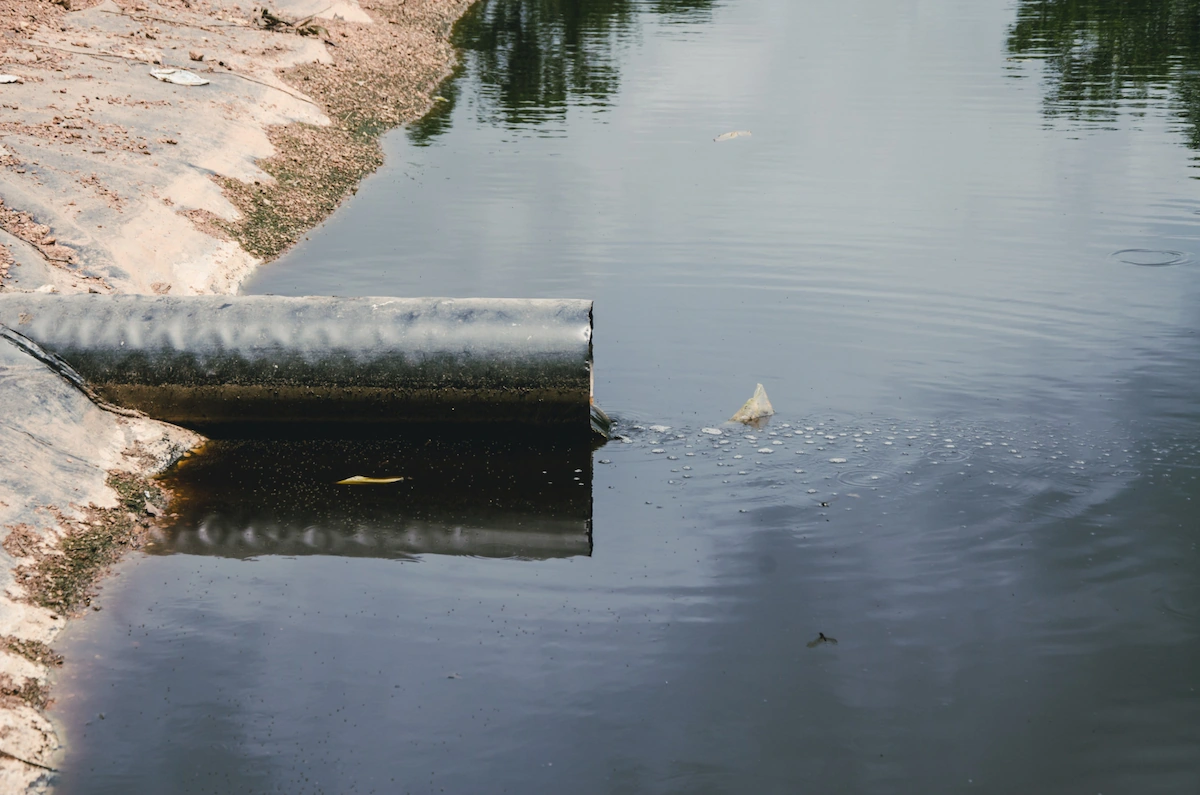
Domestic wastewater is liquid waste generated from daily activities in homes and public facilities, such as offices. Every simple activity, from showering, washing, and cooking to flushing the toilet, produces this wastewater.
Although it may seem trivial, the volume of domestic wastewater collected daily in major cities can be enormous, reaching thousands of cubic meters.
If not properly managed, this wastewater can contaminate rivers, wells, or other clean water sources, damage ecosystems, and pose health risks to the community.
Therefore, domestic wastewater treatment is a crucial step in maintaining environmental cleanliness and public health.
According to data from the Central Statistics Agency (BPS), approximately 10.30% of households will be using sanitation services with safe management by 2025. This percentage includes households in both urban and rural areas.
These efforts need to be scaled up by providing sanitation facilities, septic tanks, sewage sludge treatment plants (IPLT), and centralized domestic wastewater treatment systems (SPALD-T).
Why Should Domestic Wastewater Be Managed?
Many people assume that household and office wastewater is relatively safe because it stems from daily activities. In reality, this wastewater still contains organic matter, pathogenic microorganisms, and chemicals, so it should be managed in accordance with domestic wastewater quality standards to ensure environmental safety and public health.
If discharged directly into rivers or soil without treatment, domestic wastewater can contaminate groundwater, trigger excessive algae growth (eutrophication), and spread diseases such as diarrhea, cholera, and hepatitis.
Read also: CDI Group Announces IPO, Ready to Strengthen Regional Infrastructure
Types of Domestic Wastewater
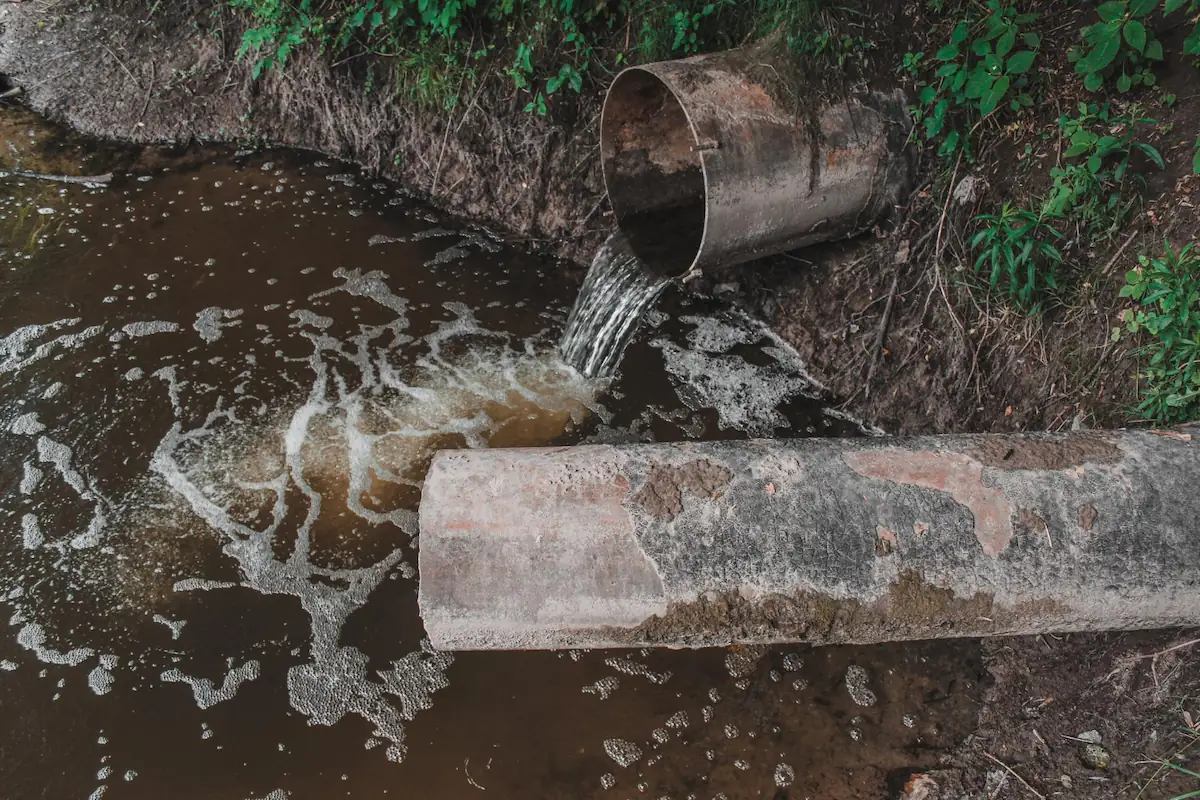
Domestic wastewater is classified into two types, namely black wastewater and gray wastewater. Black wastewater originates from toilets and contains human feces and other hazardous biological materials, leading to high pollutant levels.
On the other hand, gray wastewater comes from other household activities, such as washing clothes, washing dishes, or cleaning vehicles, and contains lower levels of hazardous substances.
The characteristics of domestic wastewater are determined by differences in sources and pollution levels, with black wastewater having higher pollutant concentrations than gray wastewater.
Both types of wastewater should be routed through separate drainage systems. Black wastewater requires more intensive and complex treatment due to its higher concentration of contaminants. If black and gray wastewater are mixed, the volume of concentrated wastewater increases, making the treatment process more difficult and inefficient.
How to Manage Domestic Wastewater
Domestic wastewater should be routed through separate drainage lines. These lines lead to a wastewater treatment plant before the water is ultimately discharged into a river, reservoir, or municipal waterway.
Domestic wastewater management aims to prevent water and soil pollution and reduce adverse environmental impacts. Here are some key considerations when constructing domestic wastewater pipelines and treatment systems:
- Use high-quality, durable pipes with a wall thickness appropriate for the wastewater flow rate. This prevents leaks that could contaminate the soil and the surrounding environment.
- Install inspection chambers along the pipeline, for example, every 2–3 meters, to prevent blockages. The number of inspection chambers should be adjusted based on pipeline length and wastewater characteristics; the higher the solids content, the more frequently inspection chambers are needed.
- Collaborating with experienced vendors or professionals is crucial. Wastewater treatment installations require precise calculations and techniques to ensure the treated wastewater meets standards and the process operates efficiently.
Professional Solutions for Wastewater Management
Proper wastewater management is essential to prevent environmental pollution and ensure safe reuse.
At the Krakatau Steel Building in Jakarta, a Water Recycle Plant (WRP) has been implemented as a modern wastewater treatment solution that processes the building’s wastewater, primarily from toilets, with a capacity of 2 m³ per hour. The treated water is then reused in the building’s cooling system, improving water efficiency.
This system was built and is managed by Krakatau Tirta Industri (KTI), a subsidiary of Chandra Daya Investasi and #YourGrowthPartner, under a Build-Operate-Own (BOO) model. This approach ensures professional management from construction through maintenance.
The management uses advanced technologies, including a Membrane Bio Reactor (MBR) and Ion Exchange (decolouration), ensuring the resulting water is safe, clean, and reusable.
In addition to treating wastewater, Krakatau Tirta Industri provides additional services as part of its wastewater treatment solutions, including water treatment for kitchens, laundry facilities, and other building areas.
With this approach, all liquid waste can be managed safely, efficiently, and in an environmentally friendly manner, enhancing professionalism in wastewater management and sustainability.
Read also: Strengthening CDI Group’s Role: Chandra Asri Group and EGCO Inject Additional Capital