



Sustainable energy is derived from renewable sources that can be used in the long term without damaging the environment or reducing the generation’s opportunities to meet their needs.
Still confused about what sustainable energy is and why this term is frequently discussed? Read this article to the end to understand the importance of sustainable energy for the future of the Earth.
What Is Sustainable Energy?
Sustainable energy can be used to meet human needs without quickly depleting its source. This means it can be used for a long time because it can be naturally renewed, such as solar, wind, or water power.
Something is considered sustainable if its use does not destroy nature and can recover within a relatively short time. So, sustainable energy is not only used today but also remains available for future generations.
In everyday life, living sustainably means reducing waste, whether it is food, water, or energy. Using renewable energy is one simple step towards achieving this.
Switching to sustainable energy helps keep the environment healthy and supports a safer future. According to the Ministry of Energy and Mineral Resources website, the contribution of sustainable energy to Indonesia's national energy mix in 2025 will reach 15.75%, equivalent to 15.47 GW of installed capacity. The largest share comes from hydro (6,784 MW), followed by biomass (3,195 MW), and geothermal (2,418 MW).
The addition of 573.8 MW of solar energy capacity and 154.3 MW of wind energy capacity also shows a positive growth trend. This data indicates that the transition towards the target of 50% sustainable energy mix by 2030 is continuing, although it still requires accelerated development in various sectors.
Why Is Sustainable Energy Important?

The global warming crisis shows how important sustainable energy today. The rise in temperature since the Industrial Revolution has been driven by the continuous burning of fossil fuels to meet energy needs.
The carbon dioxide gas produced accumulates in the atmosphere, where it traps heat, triggering global warming.
The impact is visible globally. Sea levels are rising, polar ice is melting, and extreme weather events are happening more often. Pollution from fossil fuels also damages the air, water, and soil, while increasing the risk of health problems.
This is where sustainable energy plays an important role. Sustainable energy sources such as solar, wind, and water produce very low levels of greenhouse gas emissions.
Switching to cleaner energy sources can reduce pollution, slow climate change, and ensure long-term energy security.
This means that sustainable energy is not just an alternative option, but a necessary step to protect the Earth and ensure that future generations can continue to live safely and healthily.
Read also: Creating Productive Land Through Solar Energy: CDI Group Operates Ground-Mounted Solar Power Plant
Benefits of Sustainable Energy

The trend of sustainable energy consumption shows the real impact of sustainable energy on everyday life. This energy is not only beneficial for the environment but also improves health, opens up economic opportunities, and ensures the energy supply is safer and more reliable.
1. Improving Public Health
The use of fossil fuels such as coal and gas can cause air and water pollution. This pollution can lead to respiratory problems, heart disease, and other serious health issues.
Sustainable energy produces almost no harmful pollution. Switching to renewable energy improves air quality and protects public health.
2. Creating Local Jobs
The transition to sustainable energy encourages the development of infrastructure such as solar and wind power plants in the country. This process creates new job opportunities for the surrounding community and helps drive the local economy.
Funds that used to purchase fossil fuels can be redirected to clean energy development.
3. Reducing Carbon Footprints and Greenhouse Gas Emissions
Renewable energies such as solar and wind power do not produce carbon emissions when used. This helps reduce the amount of greenhouse gases in the atmosphere, which are the main cause of global warming.
Using sustainable energy at home and in business can be a concrete step toward mitigating the effects of climate change.
4. More Cost-Effective in the Long Run
Although the initial installation costs for renewable energy seem quite high, in the long run, they are likely to be more cost-effective.
The cost of technologies such as solar panels continues to decline every year. Once installed, the energy source can be used without fuel costs, resulting in more stable electricity bills.
5. Increasing Energy Security and Availability
Sustainable energy systems come from natural sources that will not run out, such as the sun, wind, and water. This makes the energy supply more secure and less dependent on fossil fuel imports. That way, the risk of an energy crisis in the future can be reduced.
Read also: Advicing Infrastructure Integration, CDI Group Builds Bitumen Tank Facilities
The Difference Between Sustainable Energy and Renewable Energy
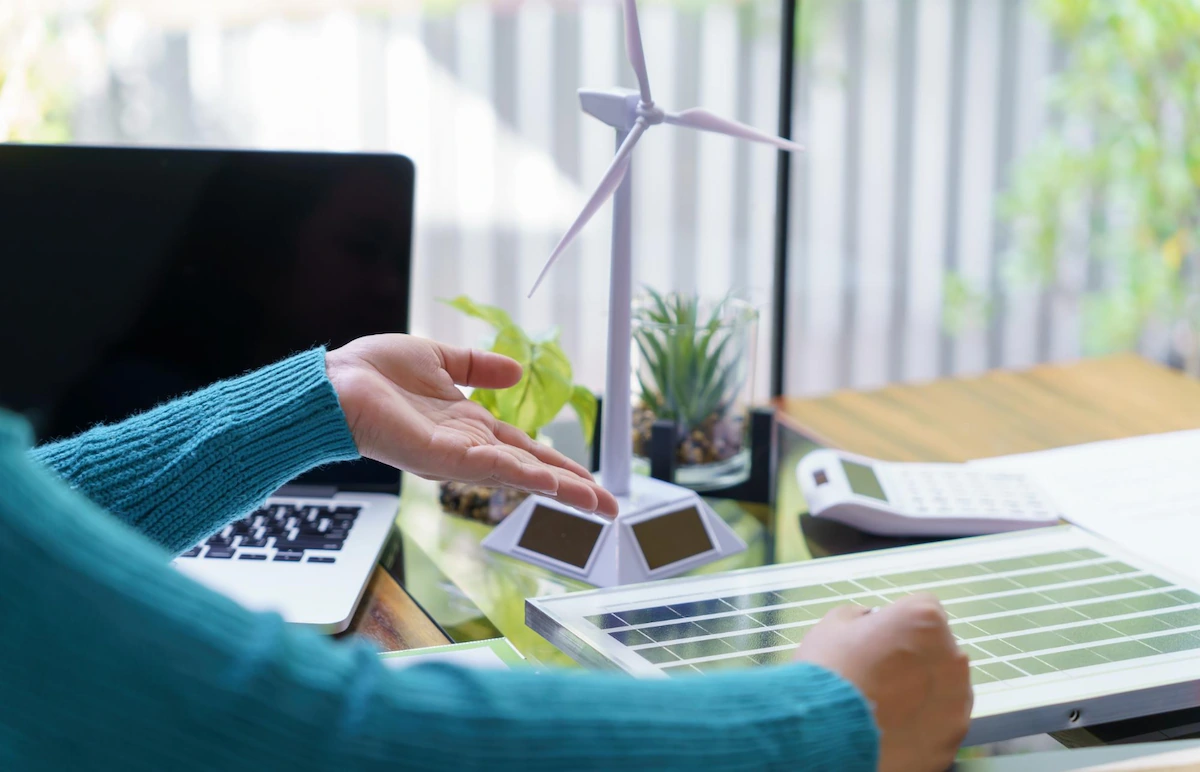
Many people think that "sustainable" and "renewable energy" mean the same thing. In fact, the two are different, especially in terms of their sources and availability.
Sustainable energy is energy that, in theory, will never run out. Its sources are always available without needing to be “planted” or recreated, such as the sun and wind.
The sun and wind can continue to be utilized without being duplicated or replaced. As long as these natural sources exist, energy will still be available.
On the other hand, renewable energy is energy derived from renewable natural sources, but it still requires replacement. Natural energy sources such as the sun and wind are also included, but there are many other examples from nature. One of them is bioenergy, which is made from plants or agricultural waste such as straw and animal manure.
Plants such as sugarcane and corn can be replanted to produce energy, so they are called renewable. However, cultivation is still required to make the source available again.
So, the difference lies in their availability. Sustainable energy does not need to be reproduced, while renewable energy can be depleted if not managed properly, but it can be renewed through natural processes.
Although different, both are equally important in providing clean energy. Both sustainable and renewable energy help reduce pollution, mitigate climate change, and keep the environment healthy in the long term.
Trust Chandra Daya Investasi with Your Sustainable Energy Needs
That concludes the information on what sustainable energy is and how it differs from renewable energy. Switching to cleaner and more sustainable energy sources not only helps reduce carbon emissions but also supports public health, economic stability, and national energy security.
The transition to cleaner energy also requires a reliable electricity system. One of the sustainable energy companies contributing to this is PT Krakatau Chandra Energi (KCE), which provides environmentally friendly electricity solutions, including new and renewable energy.
As a subsidiary of Chandra Daya Investasi, KCE has a generating capacity of 120 MW to supply electricity to the Krakatau Industrial Estate.
The Combined Cycle Power Plant (CCPP) helps generate energy more efficiently using natural gas fuel. The energy supply is further strengthened by PT Krakatau Posco Energy (KPE) through a 200 MW PLTU and a transmission network of up to 150 kV.
All operations are under the CDI Group, a subsidiary of the Chandra Asri Group, committed to ensuring a reliable electricity supply.
Trust your sustainable energy needs to Chandra Daya Investasi, your #YourGrowthPartner, and realize a more reliable, efficient energy system ready to support long-term growth together.
Read also: CDI Group Strengthens Chemical Industry Supply Chain with Launch of New Chemical Logistics Vesse