



Renewable energy sources are energy sources that come from nature and can be used continuously because they are naturally replenishable. This is why they are considered a safer and cleaner energy option for the future.
To find out what renewable energy sources are and why we need to use them, read this article to learn more.
What Are Renewable Energy Sources?
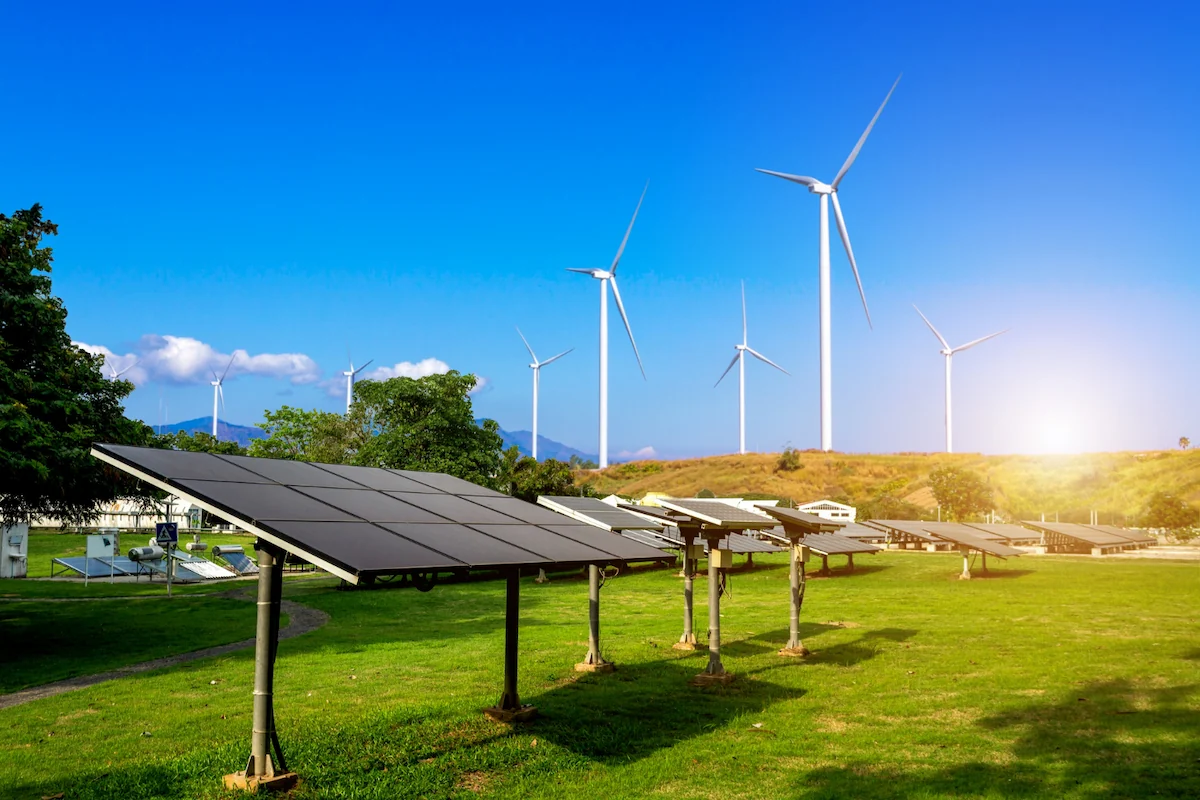
Renewable energy sources are energy derived from nature, such as sunlight, wind, water, and biomass. These forms of energy can be replenished naturally in a relatively short period, ensuring their continued availability.
Given their renewable nature, renewable energy sources can be used sustainably without the risk of scarcity. In contrast, fossil fuels are energy sources formed from the remains of living organisms millions of years ago. The formation takes a long time, which limits supply and makes it potentially at risk of depletion if it is overused.
The use of fossil fuels also frequently causes negative environmental impacts, such as air pollution and greenhouse gas emissions. This is why the utilization of renewable energy is strongly recommended. In addition to preserving the sustainability of resources, renewable energy helps reduce pollution and supports efforts to combat climate change.
According to a study by the Institute for Essential Services Reform (IESR) in October 2021, Indonesia has enormous renewable energy potential. Solar energy reaches 7,714 GW, onshore wind energy around 106 GW, micro-small hydro 28 GW, biomass 30.73 GW, and energy storage from pumped hydro 7,308 GWh.
The total potential exceeds 7,000 GW, surpassing the estimated national electricity demand in 2050 of 1,600–1,700 GW. This means that Indonesia has abundant energy sources that can be used to generate clean electricity and help achieve the goal of net-zero emissions faster than the 2060 target.
Why Are Renewable Energy Sources Important?
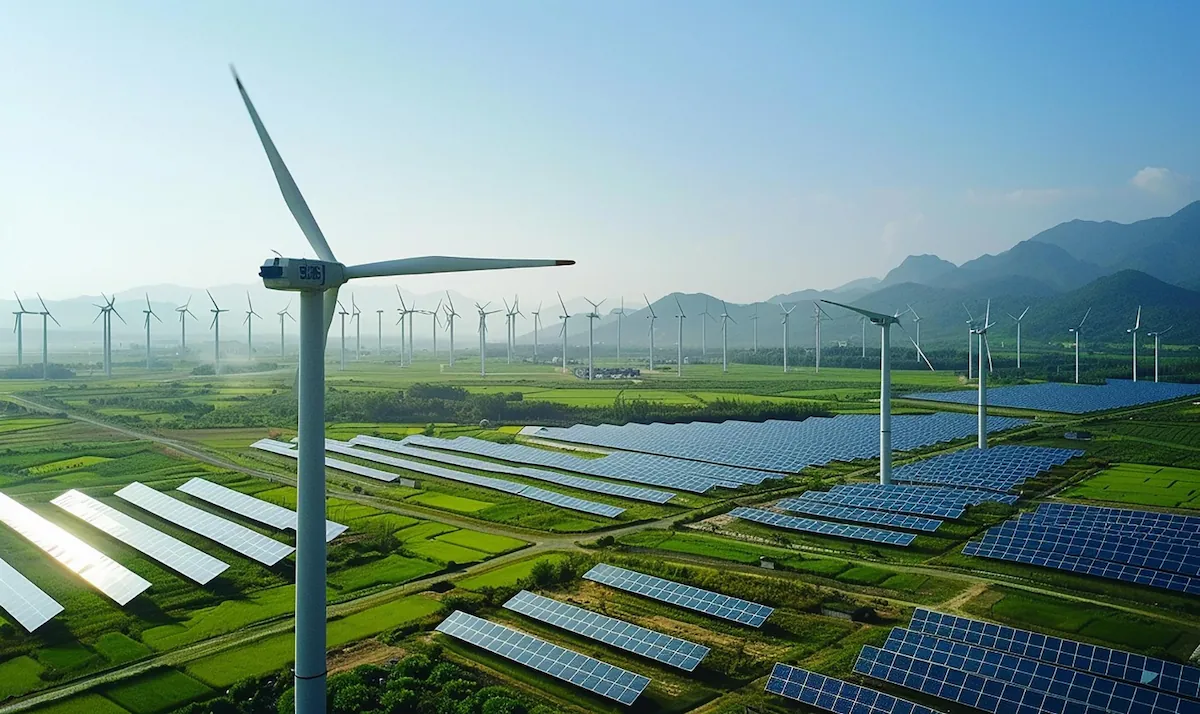
Given the limitations of fossil fuels and their environmental impact, the utilization of renewable energy sources is becoming increasingly important. In addition to maintaining energy availability, this option also brings many benefits to life and the environment. Here are some reasons why we need to utilize renewable energy sources:
1. Reducing Dependence on Fossil Fuels
Renewable energy sources help us reduce our dependence on fossil fuels, whose reserves are steadily declining. By utilizing energy from nature, energy availability can be better maintained and used in the long term.
Additionally, the use of renewable energy sources makes the energy supply more stable and secure because it is less susceptible to global conditions, such as price increases or supply constraints from abroad.
Read also: Creating Productive Land Through Solar Energy: CDI Group Operates Ground-Mounted Solar Power Plant
2. Reducing Carbon Emissions and the Impact of Climate Change
By switching to renewable energy sources, carbon emissions released into the air can be significantly reduced. The fewer emissions produced, the smaller the impact on global warming.
This step is important to mitigating global warming and maintaining a healthy environment, ensuring the Earth remains comfortable and livable in the future.
3. More Efficient and Encouraging Technological Innovation
In the long term, renewable energy sources offer many advantages because their maintenance and usage costs are relatively low. Renewable energy comes from nature, making it not at risk of depletion and usable continuously as long as it is managed sustainably.
The transition to renewable energy sources also encourages the development of more modern and practical clean energy technologies. If widely used, renewable energy-powered equipment can also make people’s daily lives easier.
Examples of Renewable Energy Sources
Renewable energy sources are not only beneficial to the environment but also available in nature and can be used continuously. Here are some examples of renewable energy sources that are widely used:
1. Solar Energy
Solar energy is obtained from sunlight and can be converted into electricity using solar panels. Solar panels capture sunlight and convert it into electrical energy that can be used immediately or stored for later use.
Electricity from solar panels is usually stored in batteries for use at night or when the sun is down. In addition to generating electricity, energy from solar panels can also be used to heat water or rooms and to cook with solar ovens, making it very flexible.
When it comes to renewable energy, Krakatau Chandra Energi is here to provide you with real solutions. The company is a subsidiary of PT Chandra Daya Investasi, which is part of the Chandra Asri Group.
In December 2024, Krakatau Chandra Energi built and operated a solar power plant with a capacity of up to 2,200 kWp, supporting the transition to clean energy.
To meet your needs, Krakatau Chandra Energi offers three solar panel system options: the Solar On Grid system, which is directly connected to the power grid; the Solar Off Grid system, which stores energy in batteries for independent use; and the Solar Hybrid system, which combines multiple energy sources for greater flexibility.
With services from Krakatau Chandra Energi, you can switch to cleaner, more sustainable solar energy that meets today's needs. Krakatau Chandra Energi is ready to be #YourGrowthPartner in renewable energy solutions.
2. Geothermal Energy
Geothermal energy is energy derived from heat stored within the Earth. This heat arises from the decay of radioactive minerals and from residual heat from Earth’s formation, with little influence from solar heating at the surface.
This energy can be used for various purposes, such as generating electricity in power plants, channeling heat directly from the earth using pipes, or using heat pumps to use this energy in buildings and other facilities.
The temperature difference between Earth's core and its surface drives the energy to flow upward continuously, allowing it to be used sustainably.
Read also: Advancing Infrastructure Integration, CDI Group Builds Bitumen Tank Facilities
3. Hydropower
Hydropower comes from the force of flowing water. Water has a much greater mass than air, so its movement can generate energy.
Even slow-moving water can be converted into other forms of energy. Water turbines are designed to capture this energy by accounting for the amount of water, the location’s altitude, and the flow velocity. Hydropower is then used for various purposes, such as generating electricity or powering machines.
4. Wind Power
Wind is formed by temperature differences between two places, which create different air pressures and cause the air to move. This movement of air is called wind, and it has long been used to drive turbines. Wind turbines can convert wind movement into kinetic energy or electricity.
The faster the wind blows, the more energy can be generated, up to the maximum turbine’s capacity. Therefore, areas with strong, stable winds, such as offshore or highland locations, are usually chosen for wind farms to maximize energy generation.
5. Biomass
Biomass is organic material from plants or animals that can be used as a source of energy. Plants store solar energy through photosynthesis, while animals can produce fuel from metabolic products, such as cow manure.
Biomass can be burned directly or processed into other fuels such as biodiesel, bioethanol, or biogas. To remain a renewable energy source, biomass must not be harvested faster than it can be produced. If too much is harvested, such as through deforestation, biomass can be depleted and become unsustainable.
Advantages of Renewable Energy Sources
Renewable energy offers many direct benefits. Here are some of the advantages that make this energy an important choice for the future:
1. Opening Opportunities for a Green Economy and New Industries
The shift to renewable energy sources encourages the development of new industries, such as the manufacture of solar panels, wind turbines, and energy storage technologies. This development can help create jobs, strengthen the local economy, and strengthen Indonesia's position in the global clean energy sector.
2. Supporting National Energy Security
Renewable energy sources help strengthen national energy security by reducing the need to import fossil fuels, which are limited in quantity and subject to frequent price fluctuations.
Energy from natural sources, such as the sun, wind, water, and biomass, is continuously available, making the energy supply more stable and secure for long-term use.
Thus, the use of renewable energy not only maintains energy availability but also makes the country more independent and resistant to global energy market fluctuations.
That concludes the information on renewable energy sources, from their definition to their advantages. By utilizing energy from nature that is always available, we can reduce pollution, reduce long-term costs, and strengthen national energy security.
Additionally, the utilization of renewable energy also supports efforts to preserve the environment for future generations. Therefore, switching to this energy source is not only a smart choice but also a real step towards a greener and more sustainable future.
To support the infrastructure needs of the renewable energy industry, PT Chandra Daya Investasi Tbk provides services across various sectors, including energy, water, ports, storage facilities, and logistics.
Together with Chandra Daya Investasi, let's develop renewable energy infrastructure effectively for a brighter future.
Read also: CDI Group Strengthens Chemical Industry Supply Chain with Launch of New Chemical Logistics Vessel