



Indonesia has enormous potential for renewable energy. With abundant resources, from geothermal to wind, renewable energy development in Indonesia can be realized.
Although Indonesia still relies on fossil fuels, the development of clean energy can be the key to achieving a better environment and new economic opportunities. To know more about the potential and importance of renewable energy in Indonesia, read the full information here.
Why Renewable Energy Is Important for Indonesia

Renewable energy plays an important role in Indonesia's sustainable development. In addition to being environmentally friendly, renewable energy can also boost the economy and strengthen national energy security. To find out more about the benefits of renewable energy, read the following explanation:
1. Reducing Greenhouse Gas Emissions
The use of renewable energy can help reduce greenhouse gases that cause climate change. Energy sources such as the sun, wind, and biomass can generate electricity without releasing carbon to the atmosphere.
As a high-emissions country, Indonesia needs to prioritize the transition to clean energy. This is also in line with the Paris Agreement, an agreement to mitigate global warming by reducing emissions. In addition to protecting the environment, this step preserves ecosystems for future generations.
2. Expanding Energy Sources
Relying on fossil fuels can be risky because supplies are limited and prices are volatile on the international market. By using multiple energy sources, including renewable energy such as geothermal, hydro, and solar, Indonesia can strengthen its energy supply.
This approach also helps create an independent and sustainable energy system while supporting economic stability and community life.
Read also: CDI Group Strengthens Chemical Industry Supply Chain with Launch of New Chemical Logistics Vessel
3. Boosting the Economy and Employment
Renewable energy is not only good for the environment, but it can also drive the economy. Projects such as solar power plants and wind farms create many jobs, from installation and maintenance to technology development.
These projects also help build local facilities and improve the welfare of communities around the construction sites.
4. Maximizing Natural Potential
As a country on the equator, Indonesia has great opportunities to harness renewable energy, especially solar power. With abundant sunshine year-round, solar power can be an efficient and environmentally friendly primary source of electricity.
Additionally, Indonesia has the world's largest geothermal reserves, which are still largely untapped. If managed properly, this energy source could meet most of the country's electricity needs.
The Potential for Renewable Energy in Indonesia
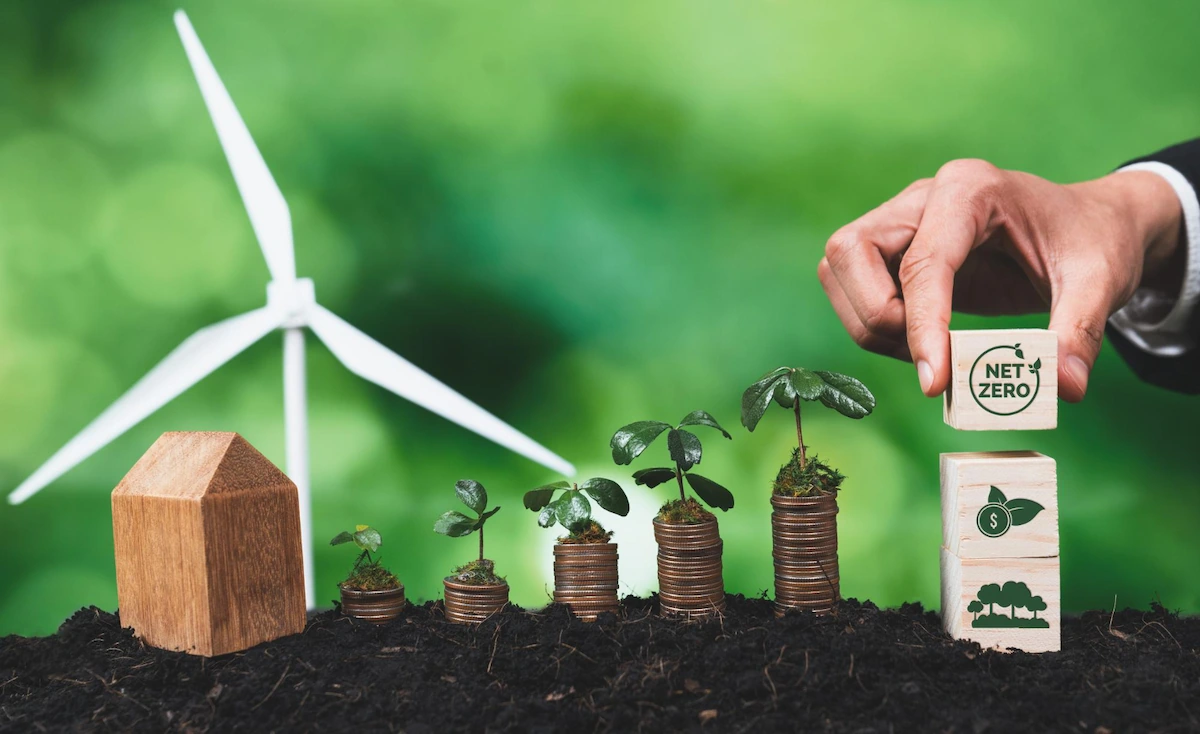
In October 2021, the Institute for Essential Services Reform (IESR) released a report titled “Beyond 443 GW: Indonesia's Infinite Renewable Energy Potentials,” which assessed Indonesia's ability to utilize renewable energy.
The study used digital mapping technology to identify, in detail, the potential for new energy across the region. The study guides government and decision-makers in planning the utilization of renewable energy more effectively.
Local governments can use this data to develop energy sources within their respective regions. The results show that Indonesia has enormous renewable energy potential, with a total estimate of between 6,811 and 7,879 GW, including:
- Solar Power Plants: 6,749–7,714 GW.
- Micro-hydro Power Plants: 6–28 GW.
- Wind Farms: 19.8–106 GW.
- Biomass Power Plants: 30.7 GW.
This means Indonesia has enormous renewable energy reserves if they are utilized properly.
Read also: Advancing Infrastructure Integration, CDI Group Builds Bitumen Tank Facilities
Types of Renewable Energy in Indonesia

Indonesia has a variety of renewable energy sources that can be utilized to meet national electricity needs. The following are some types of renewable energy that have potential in Indonesia:
1. Solar Energy
Solar energy is energy derived from sunlight. Using photovoltaic (PV) solar panels, sunlight can be converted into electricity. This energy is abundant and environmentally friendly.
2. Wind Energy
Wind energy derives from moving air, which is captured by wind turbines and converted into electricity. This energy source produces no pollution and is suitable for areas with strong, consistent winds.
3. Water Energy
Water energy, such as hydroelectricity, originates from rivers or dams. Moving water turns turbines, which convert the water's motion into electricity. This energy is environmentally friendly, renewable, and well-suited to providing continuous electricity, especially in areas with rivers or large dams.
4. Biomass Energy
Biomass comes from organic materials such as agricultural waste, wood, or food waste. These materials can be burned or processed into biofuel to produce energy. This way, waste is used to generate energy, and reliance on fossil fuels can be reduced.
5. Geothermal Energy
Geothermal energy comes from the heat inside the Earth. This heat can be used to generate electricity via turbines or to heat buildings and industrial facilities directly. This energy is clean, renewable, and available year-round because the heat source is stable beneath the Earth's surface.
6. Wave and Tidal Energy
Wave and tidal energy come from the movement of seawater. With special equipment, this movement can be converted into electricity. In an archipelagic country like Indonesia, the potential for ocean energy is enormous and can be harnessed for electricity needs.
Chandra Daya Investasi, Your Reliable Energy Partner
That concludes the information on renewable energy in Indonesia that you need to know. With abundant resource potential, modern technology, and the role of renewable energy companies in Indonesia, such as PT Krakatau Chandra Energi, eco-friendly electricity and renewable energy can be achieved.
As part of Chandra Daya Investasi, PT Krakatau Chandra Energi has a 120 megawatt generating capacity to meet electricity needs in the Krakatau Industrial Area. Combined-cycle power plants generate electricity more efficiently using natural gas.
Additionally, the electricity supply is supported by PT Krakatau Posco Energy through a 200-megawatt steam power plant and a transmission network of up to 150 kilovolts.
All these facilities are under PT Chandra Daya Investasi, a subsidiary of Chandra Asri Group that focuses on ensuring a reliable electricity supply.
With Chandra Daya Investasi as your growth partner, meet the sustainable energy needs efficiently, with a reliable electricity system ready to support long-term development.
Read also: Creating Productive Land Through Solar Energy: CDI Group Operates Ground-Mounted Solar Power Plant