



The industry has become a major contributor to greenhouse gas emissions due to high energy use in its production and operations. Therefore, implementing energy efficiency measures in the industrial sector is crucial for improving energy use and supporting carbon emissions reduction.
Read the full explanation of the energy-efficiency steps that can be applied in the industry here.
What Is Energy Efficiency?
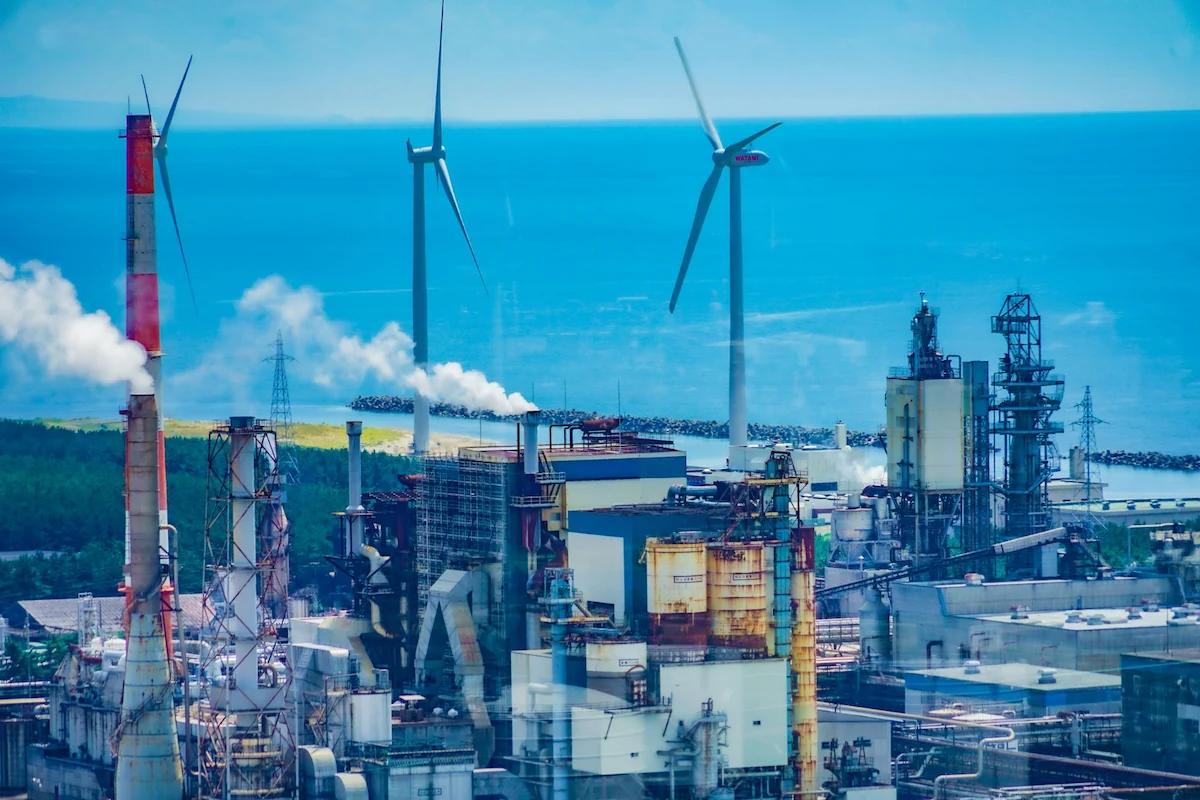
Energy efficiency is the practice of using energy more economically without reducing desired outcomes. This means that a device, system, or activity can still function well while using less energy. In some conditions, energy efficiency also means obtaining greater results with the same amount of energy.
The implementation of energy efficiency is important because it relies on limited natural resources to produce energy. It means that excessive energy use can increase emissions and impact the environment.
According to GoodStats, in 2022, the manufacturing sector became the largest contributor to greenhouse gas emissions among sectors. The amount of emissions produced even reached around 340 thousand gigagrams.
The high figure indicates that industrial production still requires a large amount of energy. This condition is also a reason why implementing energy efficiency measures is increasingly important, so that emissions can be reduced and their environmental impact minimized.
Why Is Energy Efficiency in the Industrial Sector Important?

Implementing energy efficiency in the industrial sector is important because it provides various benefits for both companies and the environment. Here are some reasons why energy efficiency is becoming increasingly important for the industry:
1. Cost Savings
One of the main benefits of energy efficiency for companies is that it helps save operational costs in the long term.
When energy use can be minimized, companies can also cut expenses for electricity, fuel, and other energy needs. That way, operational costs are reduced, and the company's finances are better managed.
2. Increasing Competitiveness
Companies that implement energy efficiency measures are usually better positioned to compete in the market. This is because more efficient energy use can help reduce production costs. When production costs are lower, companies can offer products or services at more competitive prices, making them more attractive to consumers.
Read also: CDI Group Strengthens Chemical Industry Supply Chain with Launch of New Chemical Logistics Vessel
3. Reducing Greenhouse Gas Emissions
Energy efficiency helps reduce the use of fossil fuels, such as coal, oil, and gas. These fuels are among the main causes of greenhouse gas emissions that drive climate change.
By implementing energy efficiency measures, companies can reduce the amount of carbon emissions generated by their operations. This step allows companies to contribute to global efforts to reduce the impact of global warming while also protecting the environment.
4. Increased Productivity
Energy-efficient systems and equipment usually operate more stably and are less prone to damage. Additionally, such equipment also tends to have a longer lifespan.
When companies use more efficient systems, work processes can run more smoothly. This helps increase productivity while also supporting the company's overall performance.
5. Environmental Sustainability
Energy efficiency has become an important part of the company's efforts to maintain environmental sustainability. By using energy more efficiently, the company can reduce the use of limited natural resources.
This step also helps protect the environment, maintain ecosystem balance, and reduce the negative impacts of industrial activities. That way, the company's operations continue while being more environmentally friendly.
6. Improving Company Image
Implementing energy efficiency can improve the company's image among consumers, investors, and society. Companies that strive to use energy more efficiently and care about the environment are usually considered more responsible.
Efforts in energy efficiency make the company more appreciated by customers and attract the attention of investors, who increasingly focus on a business's environmental impact. Therefore, energy efficiency is not only beneficial for company operations but also helps build trust and reputation.
Read also: Creating Productive Land through Solar Energy: CDI Group Operates Ground-Mounted Solar Power Plant
How to Implement Energy Efficiency
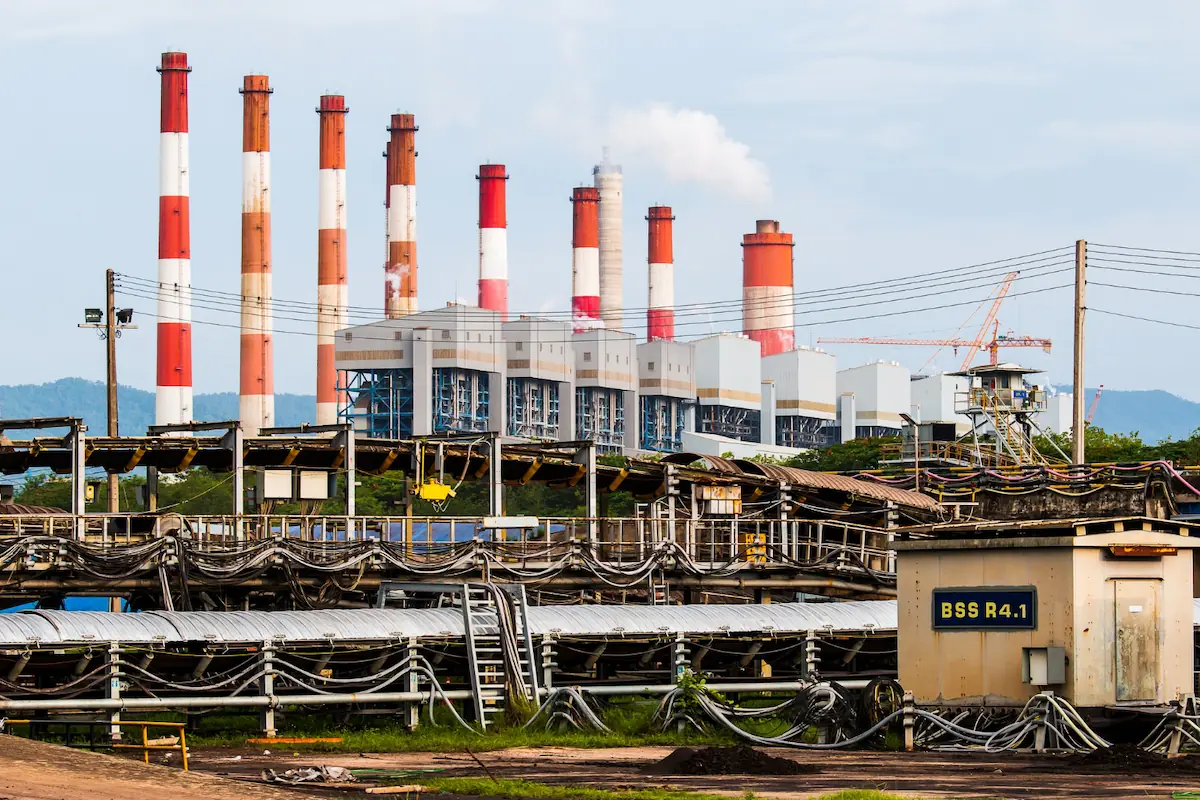
Energy efficiency in industry helps reduce carbon footprints and mitigate the impacts of climate change. Many industrial activities still use large amounts of energy, especially in production processes and plant operations.
In this case, energy-efficiency measures need to be implemented to reduce energy use while also protecting the environment. Here are some steps that industries can take.
- Energy audit: Companies need to conduct energy audits to identify the operational parts that use the most energy. These results can help companies determine which areas need improvement to make energy use more efficient.
- Optimizing the production process: The process can be managed to improve energy efficiency, for example, by using the latest environmentally friendly machines, performing regular maintenance, and reducing machine idle time.
- Implementing an energy management system: It helps companies monitor energy use, set savings targets, and improve operational efficiency more effectively.
- Utilizing renewable energy: Using renewable energy, such as solar power or biogas, can help reduce dependence on fossil fuels and lower carbon emissions.
- Improving building efficiency: Companies can use energy-efficient lighting, upgrade air conditioning systems, and optimize lighting to reduce energy use.
- Managing waste properly: Recycling can reduce the need for new raw materials and lower the energy used in production. This step is also an example of energy efficiency that industries can apply to reduce excessive energy use.
- Increasing employee awareness: Training and education are important to help employees become accustomed to using energy more efficiently in the workplace.
- Regular monitoring: Companies need to monitor energy usage regularly to assess the effectiveness of the energy-efficiency measures implemented.
- Building cooperation: Collaboration with various parties can help companies find more innovative solutions to improve energy efficiency.
- Investing in technology: Using energy-efficient technology can help companies improve efficiency and reduce carbon emissions.
Industrial Energy Solutions at Chandra Daya Investasi
Energy efficiency is an important step the industrial sector can take to reduce excessive energy use and curb carbon emissions. With managed energy usage, industrial operations can run more effectively and continue to support environmental preservation efforts.
For energy efficiency to operate optimally, a reliable energy provider is essential. In this regard, Chandra Daya Investasi offers a range of energy solutions for the industrial sector.
Through its subsidiary, PT Krakatau Chandra Energi, Chandra Daya Investasi provides solar panels and has operated a rooftop solar power plant with a capacity of 2,200 kWp in 2024.
Krakatau Chandra Energi offers four types of solar panels, namely on-grid, off-grid, on-grid with battery backup, and hybrid. You can choose the solar panel that best suits your company's needs.
With support from Chandra Daya Investasi, the industrial sector can secure a stable energy supply while also advancing energy efficiency in its operations. Let's realize energy efficiency with energy solutions from Chandra Daya Investasi.
Read also: Strengthening CDI Group’s Role : Chandra Asri Group and EGCO Inject Additional Capital