



The terms "expedition" and "logistics" are often mentioned in the distribution sector. However, the two have differences, especially in the provided services.
This article discusses the differences in logistics and expedition, including their objectives, focus, and business scale. To learn about these differences, read this article to the end.
Understanding Logistics and Expedition
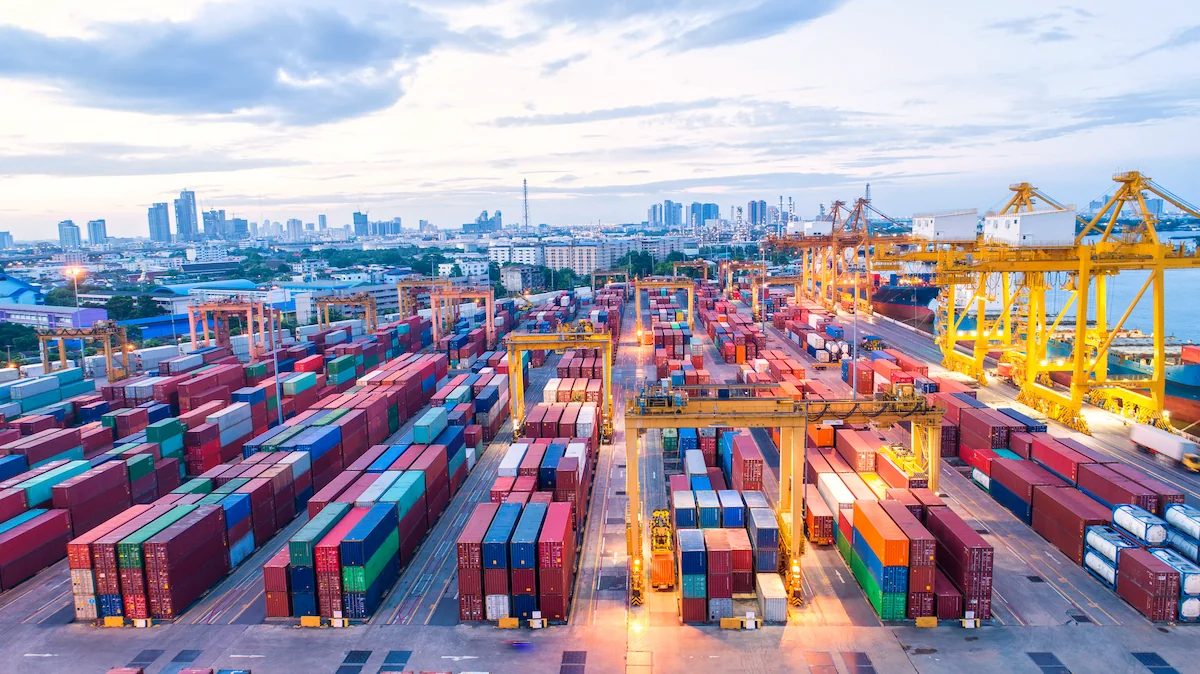
Before discussing the differences in logistics and expedition, it is important to understand the meaning of these two terms. Generally speaking, logistics is the process of efficiently planning, executing, and controlling the flow of goods.
That is why logistics solution companies provide various services, including warehouse management, cargo management, supply chain management, and freight transportation.
Logistics aims to ensure that services and products are available at the right time, at optimal costs, and in the right quantities. As a result, business processes can run smoothly and improve customer satisfaction.
Meanwhile, shipping is the process of sending goods from one place to another. It aims to ensure that products arrive on time, safely, and through an efficient process.
In an expedition, the company is responsible for packaging, shipping, and delivering goods to consumers. Expeditors carry out this process using trains, ships, planes, or trucks.
Read also: CDI Group Strengthens Chemical Industry Supply Chain with Launch of New Chemical Logistics Vessel
The Difference in Logistics and Expedition
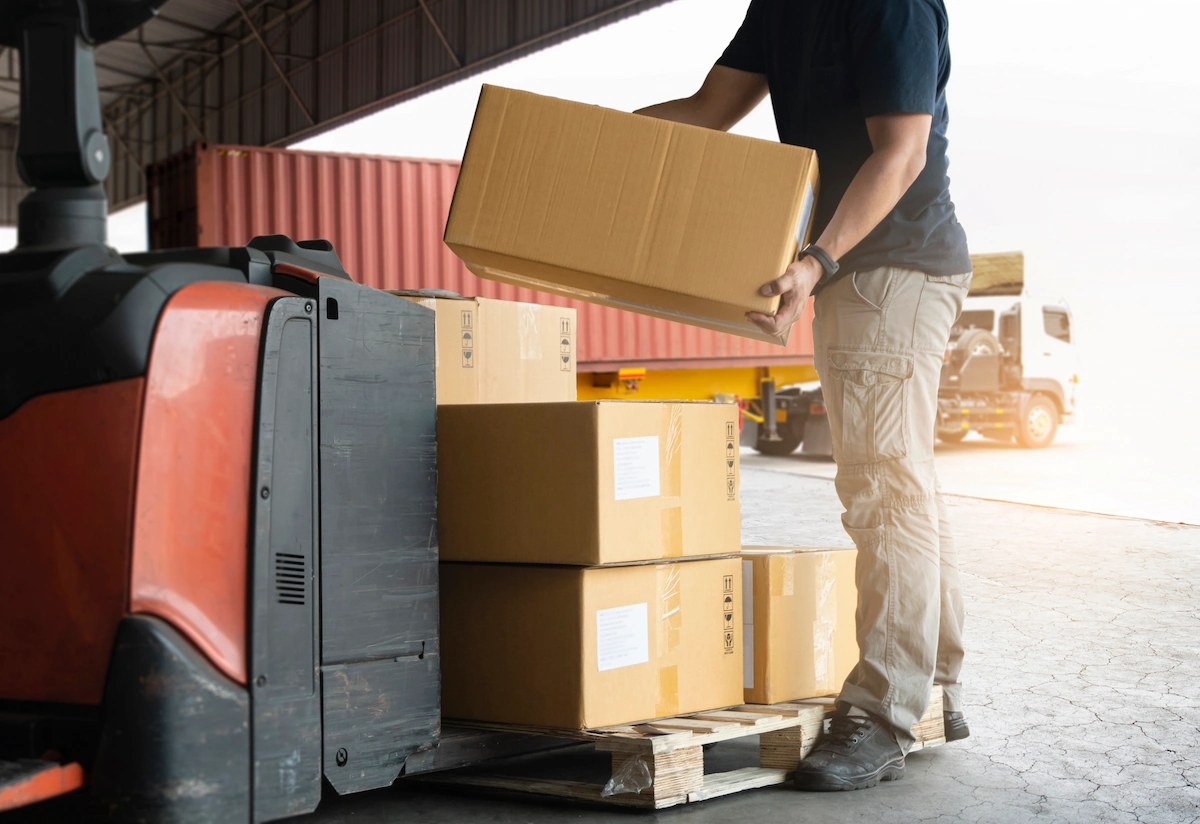
Logistics and expedition differ in several ways, especially in terms of services and consumer segments. The differences in logistics and expedition are as follows:
1. Service Offerings
The first difference in logistics and expedition is the type of services offered. Expedition companies offer goods delivery services to consumers.
On the other hand, logistics companies offer a more comprehensive range of services, including planning, distribution, procurement, and supply chain management.
2. Business Objectives
The objective of an expedition is to deliver people or goods safely, efficiently, and on time, while logistics aims to ensure the availability of services and products at the right time, in the right location, and in the right quantity.
3. Consumer Segmentation
Logistics targets large-scale consumers, such as companies, and includes business-to-business (B2B) operations. Meanwhile, expedition consumer segmentation is more business-to-consumer (B2C) because it delivers goods to consumers.
4. Load Size
Typically, an expedition carries smaller loads than a logistics operation. That is why you usually find couriers delivering goods by motorcycle, van, or small truck.
Unlike an expedition, logistics services typically manage goods with larger loads, even up to 50 tons, so the vehicles used are also larger, such as ships or container trucks.
5. Parties Involved
An expedition involves shipping companies and couriers, whereas logistics involves multiple parties, including manufacturers, distributors, suppliers, and logistics service companies.
6. Infrastructure Ownership
Logistics companies do not always own their own fleets; they often collaborate with delivery companies. Meanwhile, expedition companies have their own transportation to deliver goods. Therefore, even though logistics and expedition differ, the two sectors remain interrelated.
7. Costs Incurred
The costs incurred in the expedition are usually based on the type of vehicle used and the distance to be traveled. In contrast, logistics services determine costs based on factors such as fuel, inventory, and shipping costs.
8. Types of Shipping
In fact, expedition and logistics services use the same types of shipping: sea, land, and air. What distinguishes them is their purpose and implementation.
Sea shipping in the context of an expedition refers to international or inter-island shipping. In logistics, sea shipping is typically used for very large loads and very long distances.
As for land shipping, expeditions and logistics share similarities, including shipping goods domestically or over short distances.
Then, air shipping is implemented for goods that must arrive quickly, such as important documents. In logistics, air shipping is used for goods that must travel long distances but cannot be shipped by sea.
Read also: CDI Group Completes Acquisition of PT Barito Investa Prima
Tips for Choosing the Right Logistics and Expedition Services
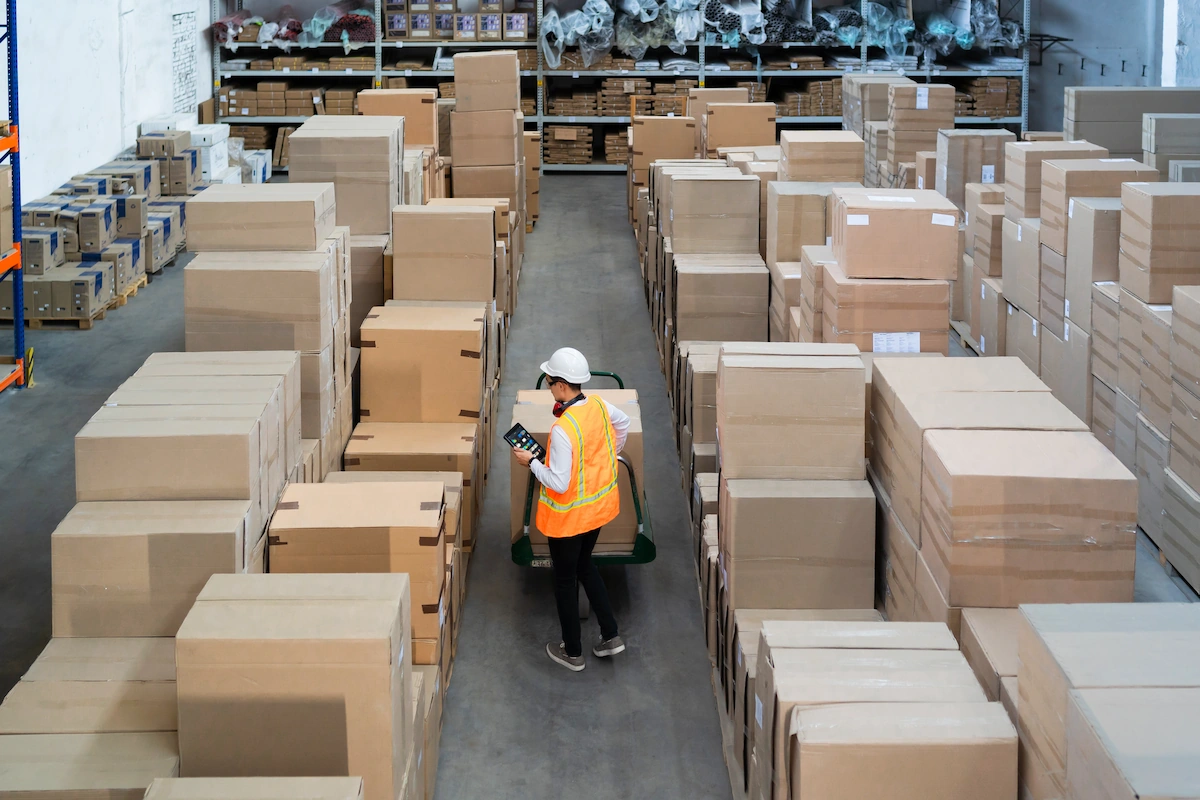
To ensure that goods or operational needs arrive safely and on time, choose the right logistics and expedition services. Here are some tips you can apply:
1. Research and Evaluate Partners
The first step is to research and evaluate partners. Consider factors including their coverage, reputation, services offered, and costs.
If you intend to ship large quantities of goods, also consider partners that provide cargo logistics and expedition services. Then, ensure that the chosen partner can meet your supply chain needs without straining your budget.
2. Establish Good Communication
For a smooth distribution process, maintain good communication with partner companies, suppliers, and distributors. Ensure that all parties involved have the necessary documents and understand their responsibilities.
3. Use Technology
If necessary, utilize technology to automate logistics processes, track delivery status in real time, analyze data to improve supply chain efficiency, and monitor the movement of goods.
Sea and Land Logistics Solutions for Chemicals
Overall, it can be concluded that logistics and expedition differ in several respects but remain interrelated. Both ensure that goods are distributed safely and efficiently.
If your company needs sea and land logistics services for chemicals and LPG, Chandra Daya Investasi, as #YourGrowthPartner, has the answer.
Chandra Daya Investasi establishes PT Chandra Shipping International (CSI) and operates more than 10 LPG and chemical carrier ships with a capacity of up to 106,650 DWT. This number may increase over time.
For land logistics, Chandra Daya Investasi, through PT SCG Barito Logistics and PT Chandra Cold Chain, provides 200+ trucks of various types to suit your needs.
Not only that, but we also manage warehouses owned by the Chandra Asri Group and other clients, particularly in the Java and Cilegon areas.
We also offer inter-island transportation, facilitate export-import and customs clearance, and integrate advanced technology with a reliable team of professionals.
Trust Chandra Daya Investasi for your logistics, distribution, and warehousing needs!
Read also: New Chemical Vessels to Boost Indonesia’s Role as Regional Chemical Distribution Hub