



The function of transportation is undoubtedly one of the most important factors when discussing logistics. Transportation in logistics focuses on the distribution process of goods, making it crucial for the smooth operation of the supply chain.
This article discusses the types of transportation in supply chain operational processes. So, read this article to the end!
What Is Transportation in Logistics?
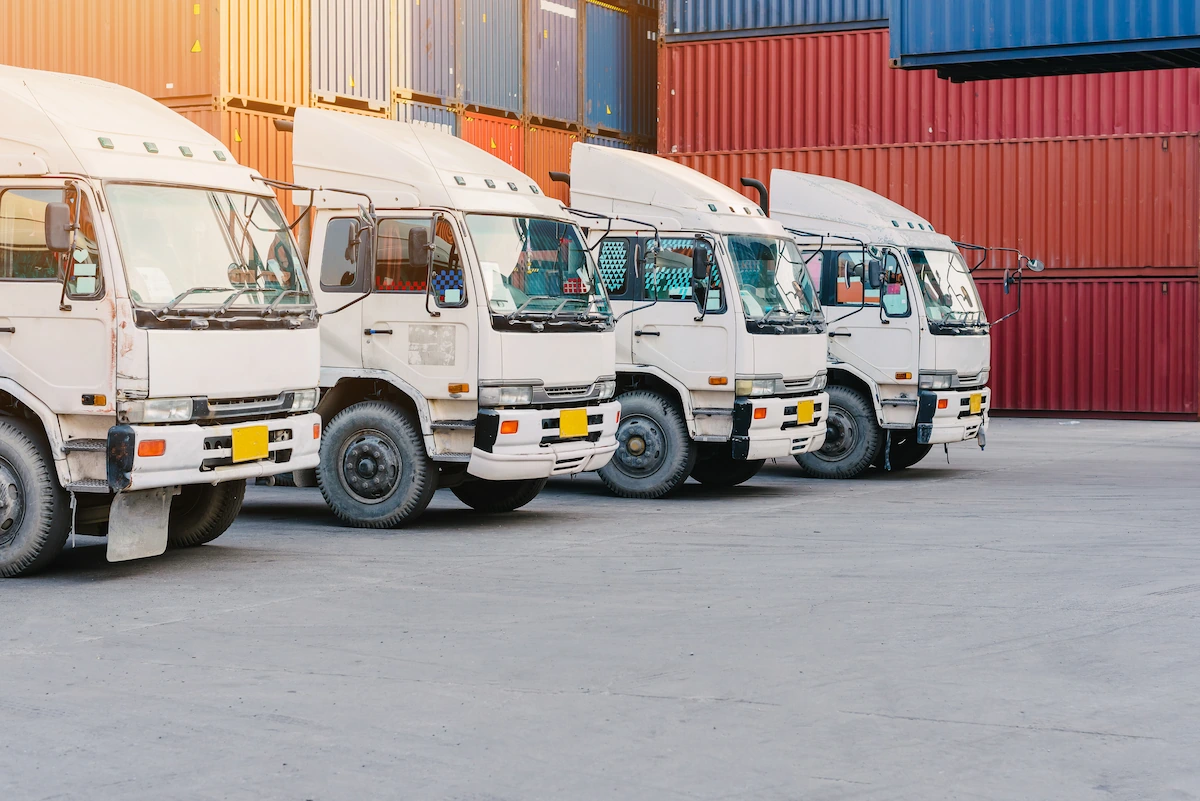
Transportation in logistics consists of vehicles used to move or deliver goods from one place to another. Not only that, but it also refers to a collection of vehicles that a company uses to support its logistics operations, such as delivering orders or distributing goods.
Due to its vital role, this transportation is one of the backbones of business activities. Some types of transportation in logistics are trucks, container ships, and others.
What Makes Transportation Crucial to Logistics?
One of the main purposes of transportation in logistics is to support the distribution and movement of goods. In addition, here are several reasons why it is important for businesses:
1. Supporting Economic Growth
Transportation facilities support the movement of goods from one place to another. This certainly drives the economy and increases trade activity.
2. Acting as an Intermediary between Producers and Consumers
Products from producers will not reach consumers on their own. This is where logistics companies and their fleets play a role in distributing products to consumers.
3. Connecting Islands
By using logistics fleets on land, sea, and air, goods can be shipped to Indonesian islands. This way, recipients across the country can access their purchase regardless of distance.
4. Increasing Business Competitiveness
Logistics transportation companies that can provide safe, reliable, efficient, and fast delivery services can have a competitive advantage.
Read also: CDI Group Strengthens Chemical Industry Supply Chain with Launch of New Chemical Logistics Vessel
Types of Transportation in Logistics
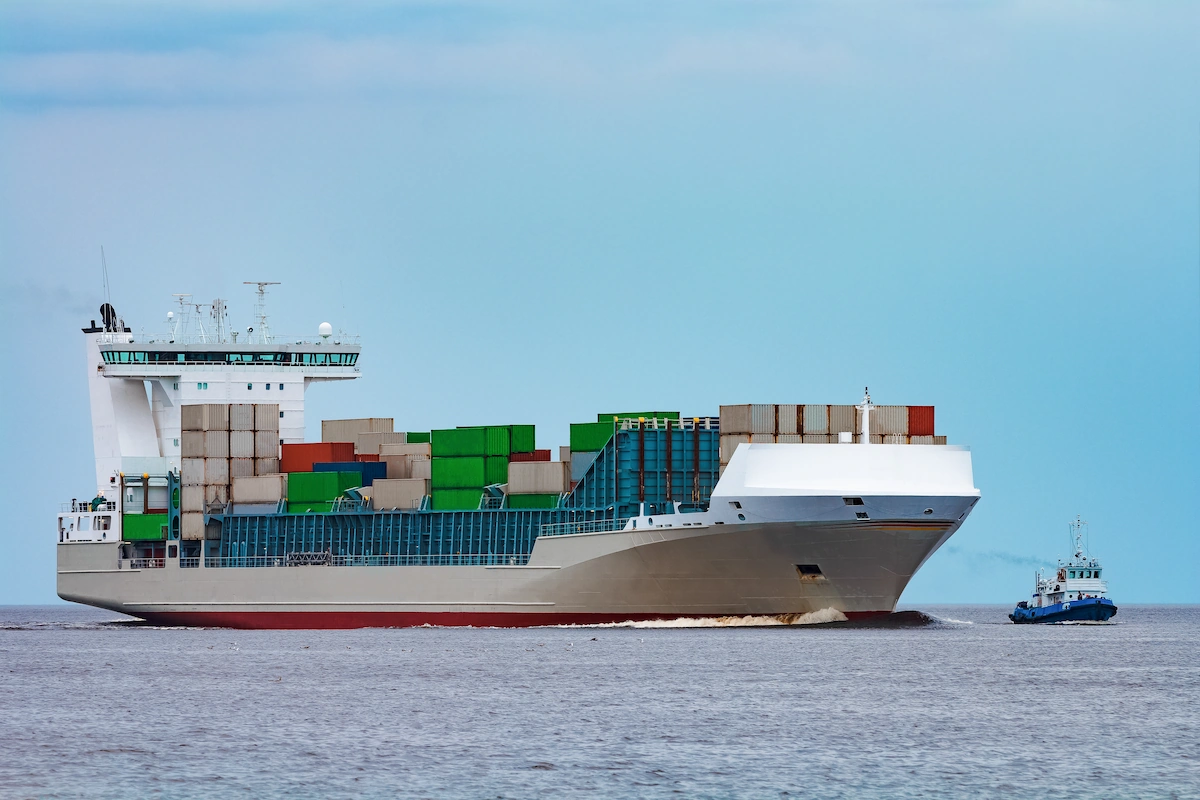
Generally, logistics transportations cover sea, land, and air. Additionally, there are also rail and multimodal fleets. The following is a detailed explanation:
1. Sea Fleet
Did you know? Approximately 80% of global goods distribution uses sea fleets. Examples of sea fleets include cargo ships, barges, and container ships. Furthermore, sea logistics offers several advantages, such as:
- A ship can be selected based on the cargo, for example, a full container load or a less-than-container load.
- It is more cost-effective because you can transport a large volume of goods in a single trip.
- It is suitable for distributing bulk and heavy goods, including coal, machinery, chemicals, and others.
- Ships are available that specialize in handling perishable goods (such as food and medicine), like refrigerated ships.
Regarding maritime logistics, Chandra Daya Investasi offers marine logistics solutions operated by PT Chandra Shipping International (CSI).
We have over 10 chemical and LPG carrier ships with a capacity of up to 106,650 DWT. This number may increase in the future as more acquisitions are made.
2. Land Fleet
The land fleet is the most accessible and flexible mode for distributing goods. Examples of land vehicles are trucks, pickups, and vans. The advantages of the land fleet are as follows:
- Suitable for regional and local deliveries.
- Routes can be adjusted based on road conditions.
- Can reach areas that are remote and inaccessible to other fleets.
- Suitable for delivering goods directly to customers.
- There are types of trucks that can transport perishable goods, including reefer trucks, or refrigerated trucks.
- The loading and unloading process is easier and faster.
In addition to sea logistics, Chandra Daya Investasi, as #YourGrowthPartner, also provides land logistics services through PT SCG Barito Logistics (SBL) and PT Chandra Cold Chain (CCC).
We operate 200+ trucks of various types and manage client warehouses in the Java area. We also provide inter-island transportation solutions, sea freight services, smooth customs clearance, and export-import facilities.
3. Air Fleet
Currently, airplanes are the only mode of air transportation for the distribution of goods. The advantages of the air fleet are as follows:
- It has a faster travel time, making it suitable for urgent or emergency deliveries.
- Can easily reach other cities and countries.
- More secure due to strict security procedures at airports.
- Flight schedules are always accurate and scheduled according to the available time.
- It is suitable for shipping medicines, important items, fresh products, high-value goods, and items that cannot be shipped by land or sea due to regulatory restrictions.
4. Rail Fleet
Trains are suitable for transporting large quantities of goods that must be delivered by a certain deadline.
Because they can transport more cargo than land-based fleets like trucks, trains are preferable for long-distance travel.
Furthermore, trains are integrated with many modes of transportation, such as trucks and ships, making them suitable for multimodal fleets. You can choose trains when you want to send goods that are not too urgent and distribute goods across areas.
5. Multimodal Fleet
A multimodal fleet combines sea, air, and land transportation. This combination is used to meet complex logistics needs, such as global shipping.
Read also: CDI Group Completes Acquisition of PT Barito Investa Prima
Considerations in Choosing the Right Types of Transportation
If you are still confused about which types of transportation to choose for shipping your goods, here is a table of considerations that you can use as a reference:
|
Land Fleet |
Sea Fleet |
Air Fleet |
Rail Fleet |
|
|
Cargo Type and Volume |
Small to medium cargo. |
Large, heavy cargo that cannot be transported by truck or plane. |
Light, fragile, or high-value cargo. |
Large, heavy cargo that cannot be transported by truck or plane. |
|
Time and Urgency |
Flexible schedules and local delivery. |
Suitable for non-urgent deliveries with flexible schedules. |
Urgent delivery, which must arrive quickly. |
Non-urgent deliveries do not arrive quickly and are unscheduled. |
|
Cost |
More economical for short distances and regional delivery. |
Has the lowest unit cost, especially for international distribution. |
The most premium option for the fastest delivery. |
More economical for shipping large quantities of products over longer distances. |
|
Location Accessibility |
Suitable for reaching remote places. The land fleet is also suitable for shipments that must transit or end at a port or logistics center. |
Suitable for long-distance, high-volume shipping routes, such as overseas exports. |
Suitable for long delivery routes that require faster transit times. |
Rail is suitable for shipments that must transit or terminate at ports or logistics centers. This fleet is also suitable for industrial areas. |
Here is some information about types of transportation in logistics that you can learn about and consider. Choosing the right transportation is crucial to ensure that products arrive at their destination safely, intact, and without administrative issues.
If your company is seeking sea and land logistics services for chemicals and LPG, entrust it to Chandra Daya Investasi! We are ready to serve and meet your company's supply chain needs with reliable technology and manpower. Contact us now!
Read also: New Chemical Vessels to Boost Indonesia’s Role as Regional Chemical Distribution Hu