



Recently, many activities rely on fossil fuels, especially in the transportation sector. In fact, fossil energy is limited, so excessive use will increase pollution, increase Earth’s temperature, and impact human health.
Therefore, it is important to understand the concept of renewable energy. It comes from natural sources, such as the sun, wind, and water, which are continuously renewable. It also helps fulfill energy needs without excessively impacting the environment.
Then, what is renewable energy? Why should we implement it? Read this article until the end!
What Is Renewable Energy?
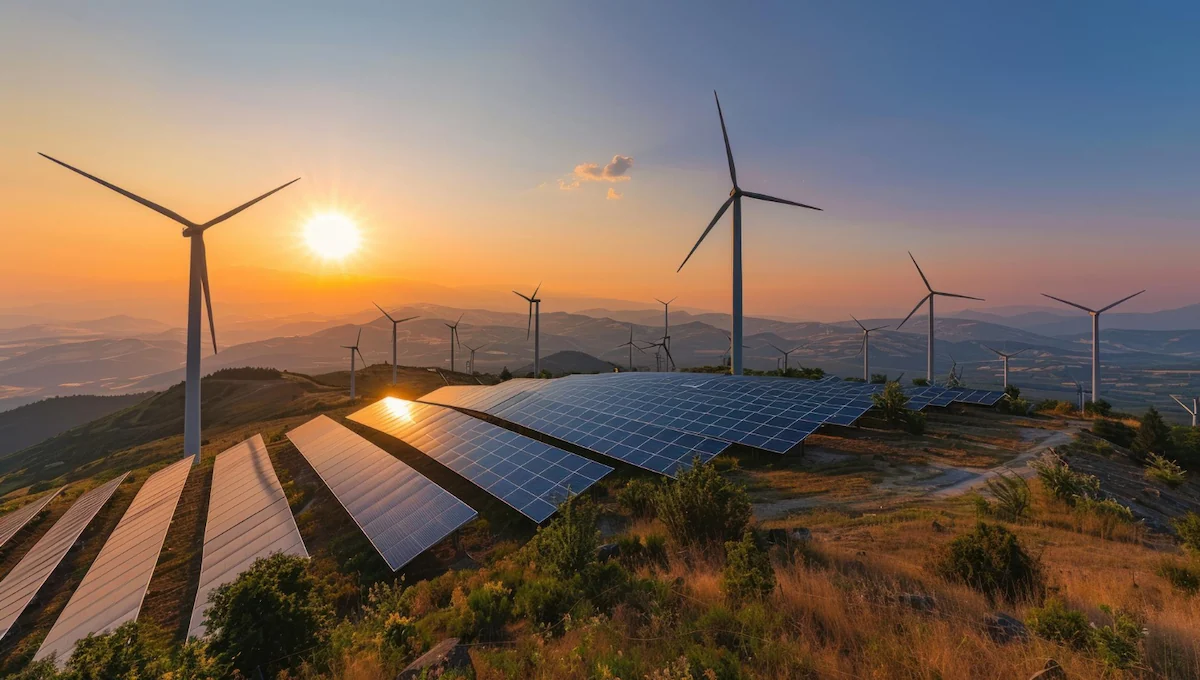
Renewable energy comes from resources that can renew themselves naturally, meaning that they are not running out quickly and will always be available. Examples of renewable energy include sunlight, wind, and water flow. It can be leveraged for the long term.
Indonesia has enormous potential for renewable energy development. Because it is located on the equator, it receives plenty of sunshine all year long.
Not only that, but it also has potential for hydro, wind, and geothermal energy in many regions. With such rich resources, the development of renewable energy in Indonesia has strong prospects for supporting the country's energy needs sustainably.
These natural advantages can reduce reliance on coal, oil, and natural gas. The fossil energy sources are limited in quantity, took million years to form, and can damage the environment if not controlled.
According to IEA statistics, the global electricity production significantly increased between 1990–2023. In 2023, the total electricity production, including the renewable energy mix and fossil energy, reached 29 million GWh.
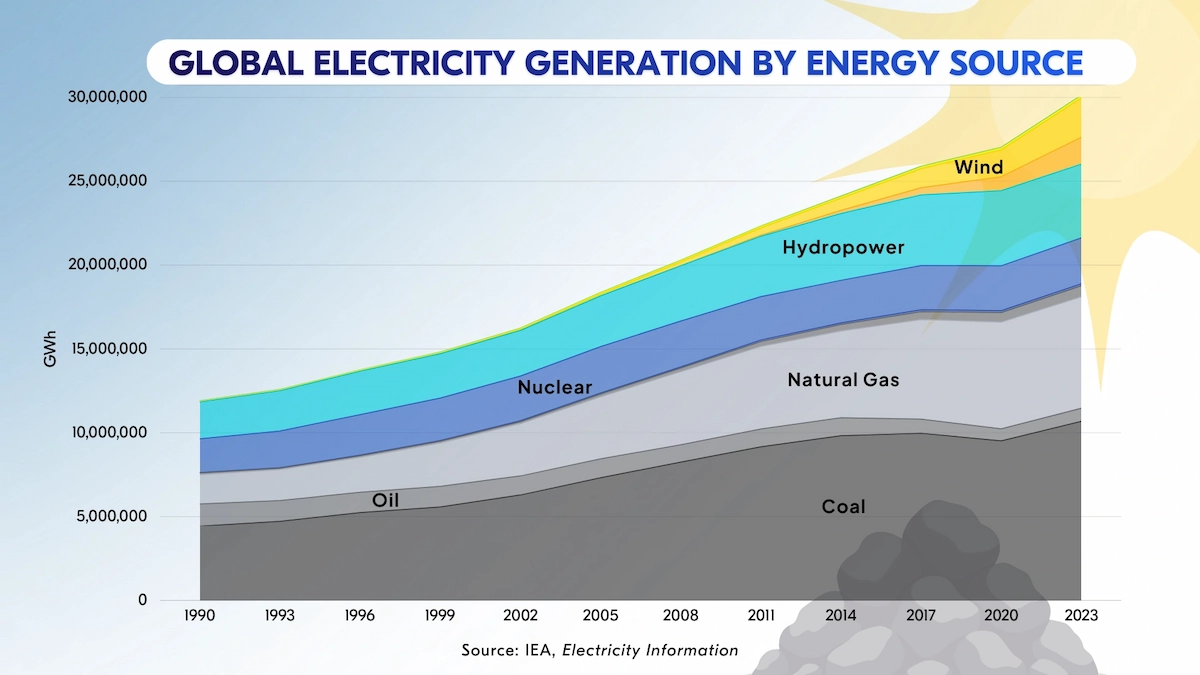
The data also reveals that for years, coal has been the main source for power plants, followed by natural gas, nuclear, and hydropower. Yet, in the last 10–15 years, the pattern changed.
Wind and solar energy are growing rapidly. Both are increasingly being used and are beginning to shift the dominance of older, less environmentally friendly energy sources.
Specifically for non-combustible renewable electricity, the number was nearly 9 million GWh in 2023. Hydropower is still the largest contributor, but wind and solar are now making an increasingly significant contribution. Other sources, such as geothermal and ocean wave energy, still have a smaller share.
Simply put, this data shows that the world is moving towards cleaner energy. Although fossil fuels are still being used, the role of renewable energy is growing stronger and continues to develop over time.
Read also: CDI Group Strengthens Chemical Industry Supply Chain with Launch of New Chemical Logistics Vessel
Types of Renewable Energy
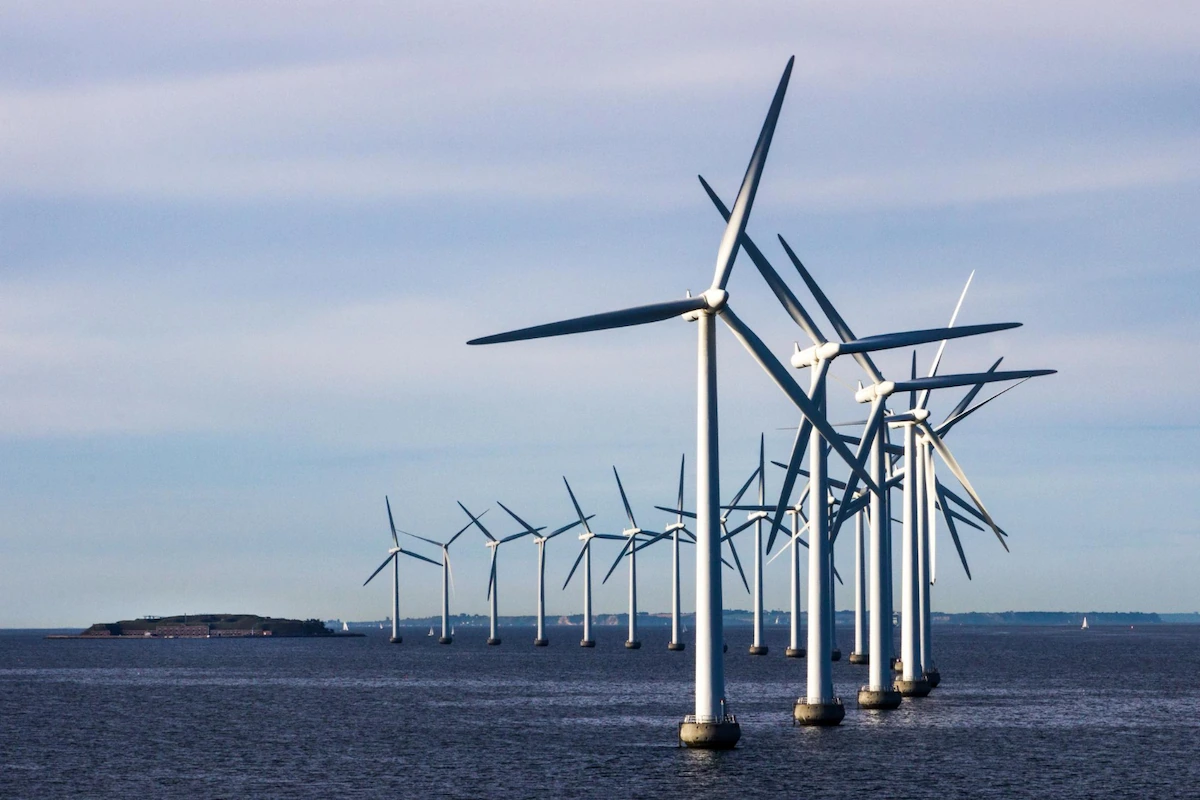
Renewable energy is available in various forms with different characteristics and methods. Each energy source can be used sustainably because it primarily draws power from natural resources. Here are some types of renewable energy you must know:
1. Solar Energy
Solar energy comes from sunlight converted into electricity through solar panels. The way it works is quite simple. The panels capture sunlight and transform it into an electrical current that can be used immediately for daily needs.
The electricity is typically first stored in batteries so that it can be used at night or in cloudy weather. Thus, energy is still accessible even in the absence of sunlight.
Its applications are not limited to lighting alone. Solar energy can be used to heat water, maintain room temperature, and support cooking processes with certain technologies. This flexibility makes solar energy increasingly popular.
Seeing this huge opportunity, Krakatau Chandra Energi is here as a renewable energy solution provider. KCE is a subsidiary of PT Chandra Daya Investasi, under the Chandra Asri Group.
In December 2024, Krakatau Chandra Energi built and operated a solar power plant with a capacity of up to 2,200 kWp as a support for cleaner energy.
There are three solar panel system options available. Solar On-Grid is directly connected to the electricity grid; Solar Off-Grid works independently with storage batteries; and Solar Hybrid combines several energy sources for greater flexibility.
Through Krakatau Chandra Energi's energy solutions, you can begin transitioning to more environmentally friendly and sustainable energy sources. Krakatau Chandra Energi is ready to be #YourGrowthPartner in supporting more efficient and tailored renewable energy use.
2. Biomass Energy
Biomass is a renewable energy source derived from natural living materials, such as wood, charcoal, grass, and animal waste. Biomass contains organic elements that can be processed into heat or electricity.
In general, biomass is divided into two types. Traditional biomass is commonly used in rural areas, for example, for cooking or heating spaces with firewood.
Modern biomass, on the other hand, uses waste from forestry and agriculture or plants that are specifically grown for energy needs.
The simplest way to process biomass is to burn it directly to generate heat. Compared to fossil fuels, biomass combustion tends to produce lower emissions and is considered more environmentally friendly.
Read also: Advancing Infrastructure Integration, CDI Group Builds Bitumen Tank Facilities
3. Wind Energy
Wind energy is generated from moving air currents. The wind turns the blades of large wind turbines, and their kinetic energy is converted into electricity.
Wind turbines can be installed on land (onshore) or in the middle of the sea (offshore). The electricity generated is distributed to the power grid to meet the needs of homes, factories, and commercial buildings.
The most suitable locations for wind power plants are open areas far from residential areas, such as coastal or offshore areas. In these locations, the wind tends to blow faster and more steadily, allowing for more optimal electricity production.
4. Geothermal Energy
Geothermal energy comes from the natural heat inside the Earth. The temperature is very high, reaching around 5,500°C at the Earth's core. This heat is stored underground as hot water or steam.
To utilize it, drilling is required to reach the heat source. Hot water or steam is piped to the surface. When hot steam is released, its pressure turns a turbine. The spinning turbine drives a generator, which produces electricity. Therefore, the heat from within the Earth is converted into electrical energy that can be used for various purposes.
5. Hydropower
Hydropower uses water flow in a river, lake, or dam. A water wheel and a turbine are installed in the high-current area, and when the water flows, the wheel rotates, generating kinetic energy.
This kinetic energy is used to drive a generator producing electricity. However, hydropower plants rely heavily on water availability. If the rain is stable and the water debit is sufficient, the electricity is generated optimally. In contrast, when drought hits, electricity production becomes lower.
Advantages of Renewable Energy
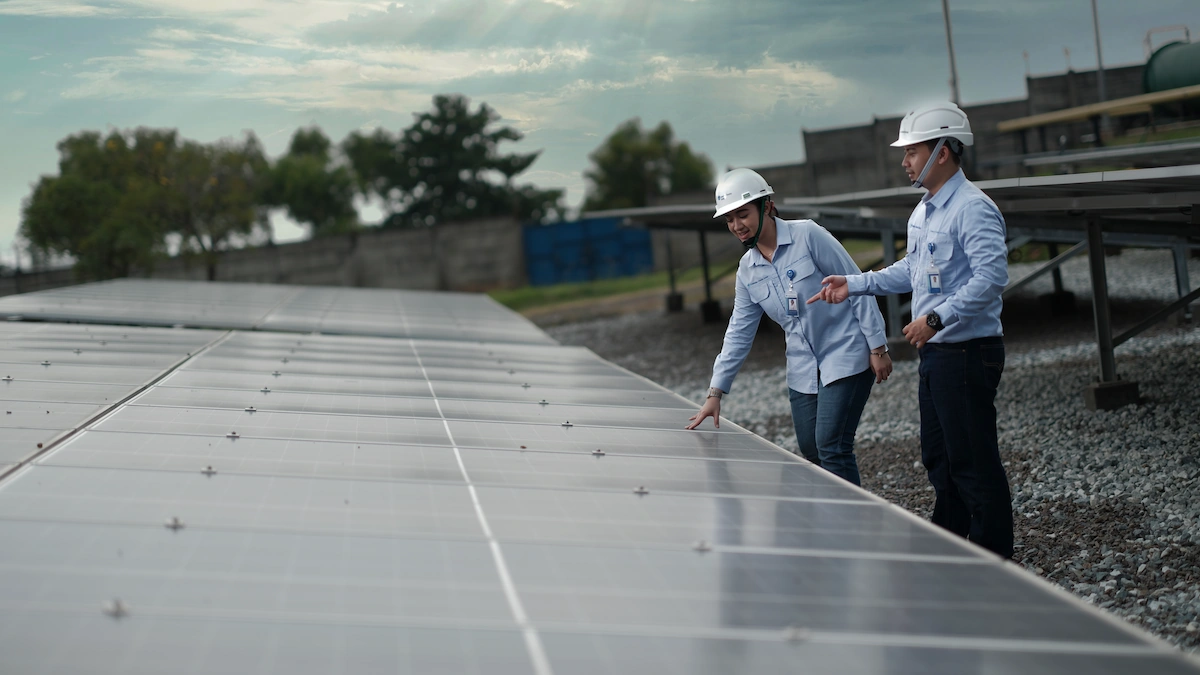
Renewable energy not only benefits the environment but also our society and economy. Here are some important advantages you might feel:
- Reducing global warming: Renewable energy produces significantly lower greenhouse gas emissions, helping to slow down the rise in global temperatures.
- Lowering reliance on fossil fuels: Energies like the sun, wind, and water are naturally available and inexhaustible, meaning that energy supplies are no longer dependent on limited reserves of oil, coal, or gas.
- Supporting energy security: Countries can meet their own energy needs without relying too heavily on imports, making them more stable and secure from the risk of energy crises.
- Protecting health and the environment: Air pollution and contamination can be reduced, improving air quality and preserving the environment.
- Promoting economic growth: The development of clean energy opens up new business opportunities, creates jobs, and boosts economic activity in various sectors.
That concludes the information about renewable energy and its advantages. From the explanations, types, and positive impacts, it can be noted that renewable energy is not merely an alternative but our need for a more sustainable future.
As energy needs increase, the use of cleaner sources becomes a relevant decision. Switching to renewable energy is not only about keeping up with the times but also about maintaining environmental stability and long-term resource sustainability.
To support these needs, Krakatau Chandra Energi presents solar panel solutions designed to help meet electricity needs in a more environmentally friendly way. Through an efficient and flexible system, you can start optimizing energy use while reducing dependence on conventional sources.
Find renewable energy solutions according to your needs, and start taking steps towards more efficient and sustainable energy use today.
Read also: Creating Productive Land through Solar Energy: CDI Group Operates Ground-Mounted Solar Power Plant