



Wastewater management is a challenge for many industrial sectors today. Without proper treatment, liquid waste can pollute the environment and threaten human health.
Therefore, every industrial operator needs to implement a safe and sustainable industrial wastewater management system. With proper processing, water quality can be maintained and the risk of ecosystem damage minimized. Let’s take a look at the full explanation in this article.
What Is Industrial Wastewater Treatment?
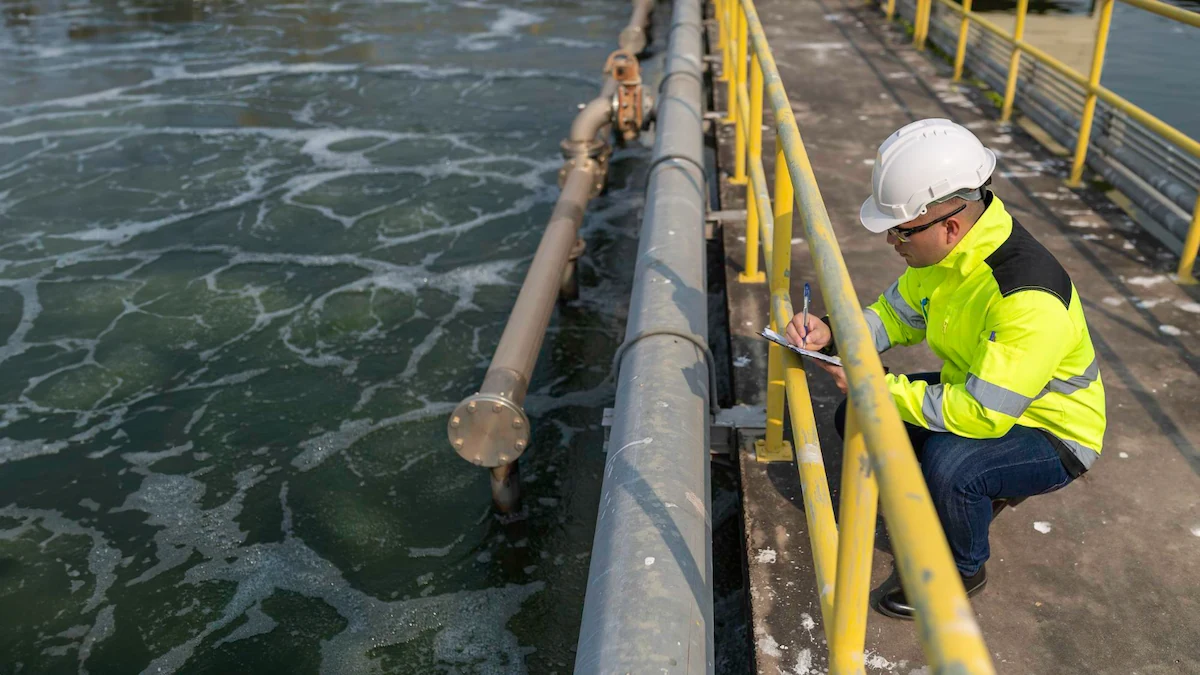
Industrial wastewater treatment is a series of processes designed to manage and purify wastewater generated by nearly all industries as a byproduct.
This process combines physical, chemical, and biological methods to remove chemical compounds, heavy metals, organic matter, and other pollutants resulting from industrial activities.
The primary objective of this process is to ensure that wastewater meets quality standards before being discharged into the environment or reused in manufacturing.
Unfortunately, according to a United Nations report, data on industrial wastewater treatment worldwide remains very limited. The available information comes from only 22 countries, representing approximately 8 percent of the global population.
Among these countries, about 38 percent of industrial wastewater is reported to be treated, but only 27 percent is actually processed safely.
Why Is Industrial Wastewater Treatment Important?
Industrial wastewater treatment plays a vital role in maintaining environmental balance and ensuring the sustainability of industrial activities. Without proper treatment, liquid waste from manufacturing processes can contaminate rivers, lakes, and groundwater sources.
Such contamination can damage ecosystems and harm the health of communities living near industrial areas. In addition to protecting the environment, industrial wastewater treatment also helps companies comply with government regulations regarding wastewater quality standards.
In many countries, all industrial operators are required to treat wastewater before discharge to ensure it does not exceed pollution limits set by environmental authorities.
If regulations are violated, companies may face administrative sanctions, fines, or even a temporary suspension of operations. In certain cases, violations with significant environmental impacts may also lead to legal proceedings.
Industrial wastewater treatment also provides economic benefits for companies. With modern technology, wastewater can be recycled and reused in production. This helps reduce clean water consumption while lowering long-term operational costs.
By implementing an effective wastewater treatment system, industries not only help preserve the environment but also support more sustainable business practices.
Read also: Clean Water Treatment for Industry: Methods and Stages
Industrial Wastewater Treatment Process
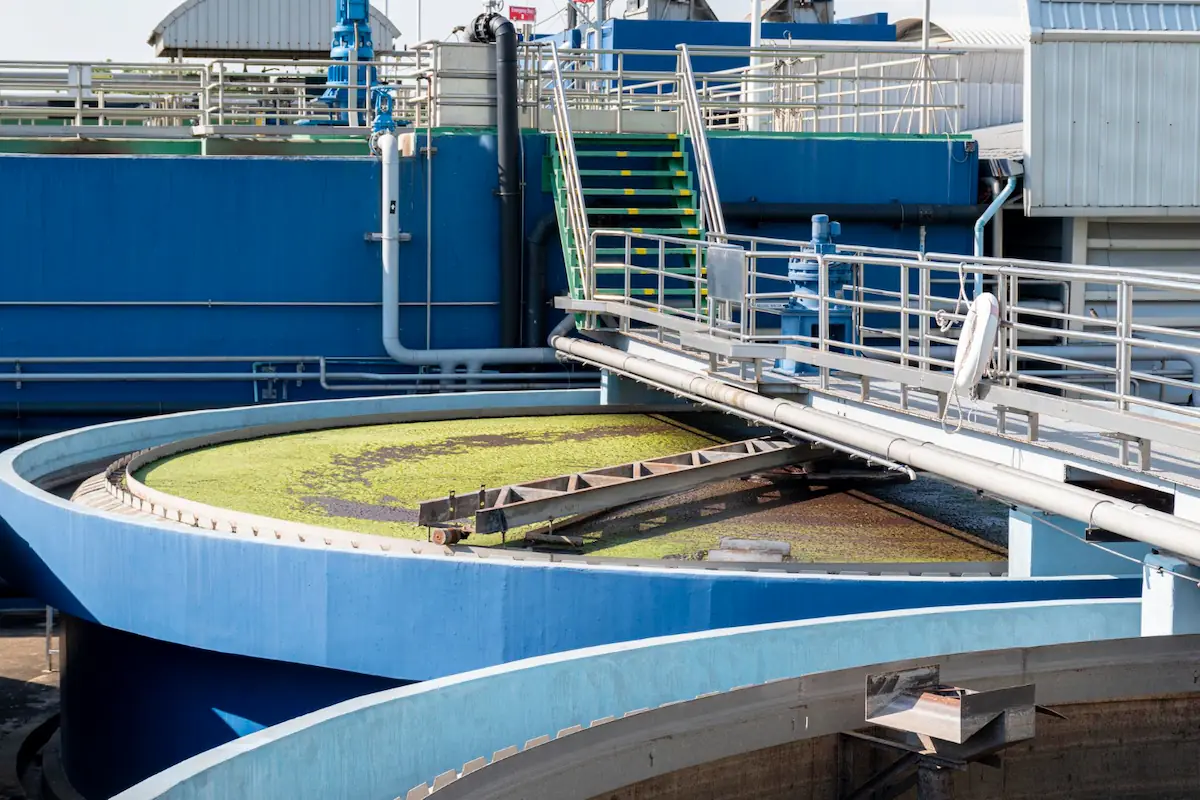
The industrial wastewater treatment process consists of three main stages designed to reduce pollutant levels before the water is discharged into the environment or reused. Here is a detailed explanation:
1. Primary Treatment
Primary treatment is the initial stage in the industrial wastewater treatment process. This stage aims to separate solid particles from the wastewater. Through this stage, most suspended solids can be reduced before the water proceeds to the next stage.
2. Secondary Treatment
Secondary treatment aims to remove dissolved organic substances and additional suspended particles that escaped primary treatment. This process relies on natural biological aspects, such as the use of anaerobic microorganisms.
Secondary wastewater treatment utilizes oxidation to further purify the wastewater. This can be achieved through one of the following three methods:
- Biofiltration: A wastewater treatment process that uses living organisms (microorganisms), such as bacteria or fungi, to filter out pollutants.
- Aeration: The process of adding air to water through diffusion or the introduction of fine air bubbles, allowing it to rise to the surface.
- Oxidation pond: A large, shallow pond constructed to treat wastewater by utilizing the interaction between algae, bacteria, and sunlight.
3. Tertiary Treatment
Tertiary treatment is an advanced stage designed to further improve water quality following secondary treatment. This stage aims to remove any remaining phosphates and nitrates from the wastewater. The processes may include ceramic membrane filtration, activated carbon adsorption, chemical treatment, or sand filters.
Differences Between Industrial and Domestic Wastewater Treatment
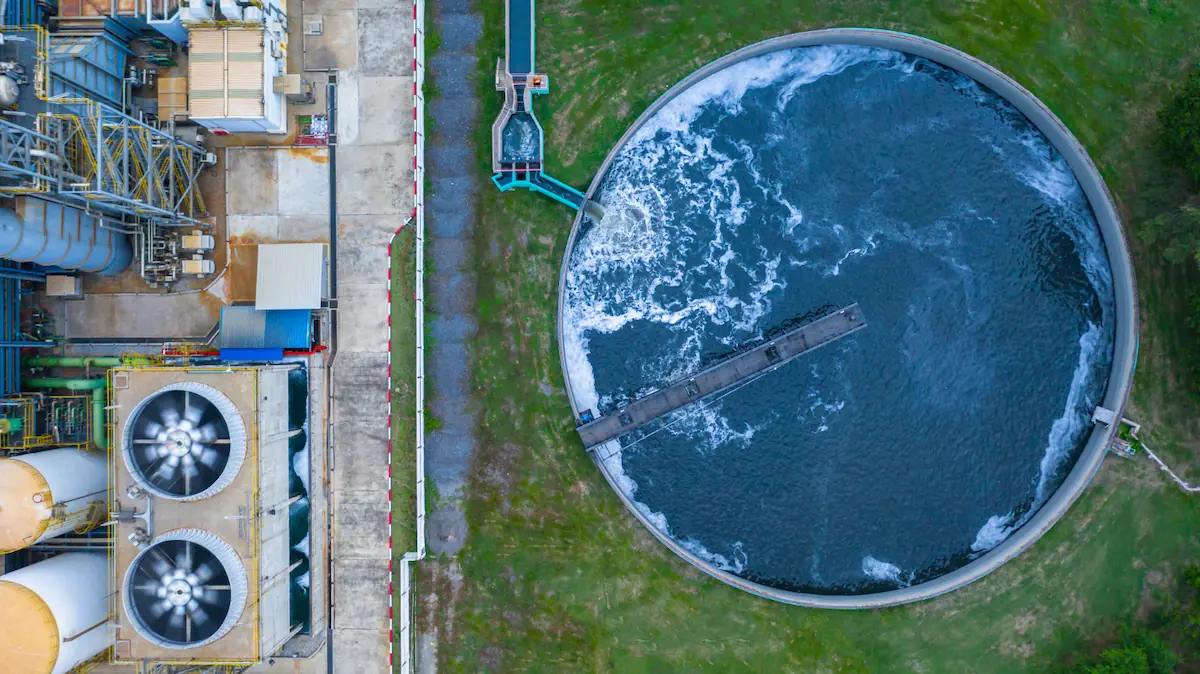
Although industrial and domestic wastewater treatment share the same objective, they differ in several aspects. These differences mean that the systems and technologies used for industrial and domestic wastewater treatment are also distinct. Here is a further explanation:
1. Source of Wastewater
The first difference lies in the source of the wastewater. Industrial wastewater originates from production processes in various sectors such as manufacturing, chemicals, textiles, and food and beverages. This wastewater typically comes from activities such as material washing, chemical processes, or machine cooling.
On the other hand, domestic wastewater comes from daily activities such as bathing, washing clothes, washing kitchen utensils, and using the toilet.
2. Pollutant Content
Industrial wastewater contains more complex and potentially harmful pollutants. These can include chemicals, heavy metals, oils, solvents, and toxic substances produced during manufacturing processes.
On the other hand, domestic wastewater typically contains organic matter such as food waste, soap, detergents, cooking oil, and microorganisms from household activities.
Read also: Advancing Infrastructure Integration, CDI Group Builds Bitumen Tank Facilities
3. Treatment Systems and Technologies
Industrial wastewater treatment requires more complex technologies due to the diverse types of pollutants involved. The process may involve physical, chemical, and biological methods.
Meanwhile, domestic wastewater treatment usually employs simpler systems, such as septic tanks or small-scale wastewater treatment plants (WWTPs).
4. Scale of Management
Industrial wastewater is generally generated in large volumes with high pollutant loads because it originates from production processes. Its pollutant content is also more diverse and complex.
Conversely, domestic wastewater typically has smaller volumes with relatively lower pollutant loads because it stems from daily household activities, such as washing clothes, vegetables to be cooked, and dirty dishes.
5. Management Costs
In terms of costs, industrial wastewater treatment requires more funding because it necessitates technology, equipment, and routine water quality monitoring. Meanwhile, domestic wastewater treatment generally involves lower costs due to its simpler systems.
6. Environmental Impact
Industrial wastewater can cause serious environmental impacts if not properly treated. Chemical and heavy metal content can pollute rivers, lakes, and groundwater sources. As a result, aquatic ecosystems can be disrupted, and water quality can deteriorate.
Meanwhile, domestic wastewater can also pollute the environment if not treated. However, its impact is generally less severe than that of industrial wastewater because its pollutant content is relatively simpler.
Wastewater Treatment Solutions from Chandra Daya Investasi
Industrial wastewater treatment requires the right system to ensure wastewater is managed safely and complies with environmental standards. The proper application of treatment technologies helps industries reduce pollution while improving water usage efficiency.
If your company needs services to safely manage wastewater, Chandra Asri Group has the solution. As #YourGrowthPartner, we provide water treatment solutions by Chandra Daya Investasi Tbk through PT Krakatau Tirta Industri.
Currently, Krakatau Tirta Industri has developed and operates various water treatment facilities, including demineralization, water recycling, and wastewater treatment plants that utilize advanced technologies such as membranes, ultrafiltration, ion exchange, and biological treatment.
With our technological expertise and experience in industrial water management, trust Chandra Daya Investasi to handle your company’s wastewater treatment!
Read also: CDI Group Strengthens Chemical Industry Supply Chain with Launch of New Chemical Logistics Vessel