



The advantages of sea shipping remain the main reason why many businesses choose this route for their logistics needs, both inter-island and international trade.
Despite faster land and air options, sea shipping still wins out for large capacity and relatively efficient costs, especially for huge quantities or large-sized cargo.
Sea shipping services are also flexible and can be adjusted to specific shipping needs. To avoid making the wrong choice, understand the various advantages outlined in this article before deciding on the appropriate distribution method.
Advantages of Sea Shipping
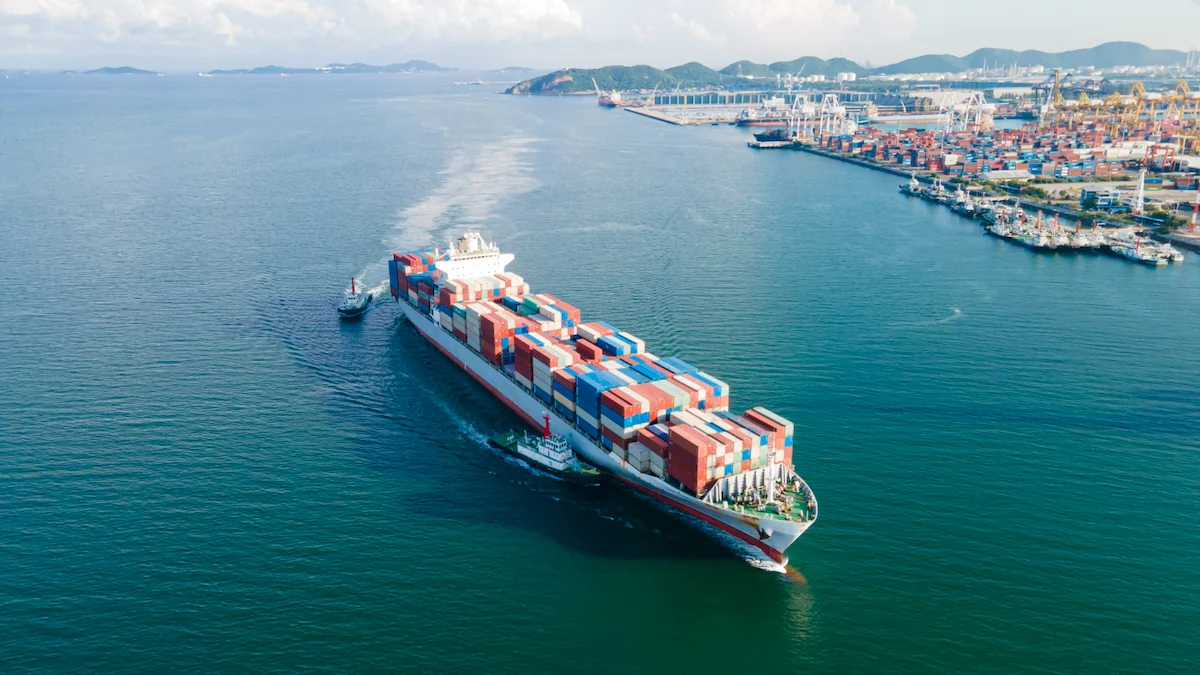
Sea shipping is often chosen for large-scale logistics needs because it is considered more efficient. Here are some of the advantages of shipping goods by sea:
1. Affordable Costs
One advantage of sea shipping is that it is more economical than air shipping, especially for large items or large quantities.
Cargo ships can transport thousands of containers at once, resulting in lower per-unit costs and greater savings for large-scale operations.
2. Procedural Efficiency
Shipping goods by sea is known to have correlated documentation and administrative requirements for both domestic and international shipments, such as invoices and packing lists.
The uncomplicated procedures make many businesses, especially those involved in export-import activities that involve customs, prefer shipping by sea.
3. Large Cargo Capacity
Sea shipping allows for the shipment of large quantities of goods at once, including a Full Container Load (FCL). This is certainly beneficial for businesses with large-scale routine distribution needs.
Additionally, there is a Less Than Container Load (LCL) option for smaller-volume shipments as needed.
4. Can Reach All Shipping Regions
Sea shipping has an extensive port network covering almost the entire world, enabling it to reach both domestic and international regions. This is important for businesses with customers in remote locations.
Whether for export or import, sea routes facilitate distribution to domestic and international markets.
Read also: Chandra Asri Group Acquires Vessels to Strengthen Supply Reliability
5. Able to Ship All Types of Goods
Sea shipping allows the shipment of almost all types of goods without many restrictions, unlike air or land routes, which have certain limitations.
From large items, electronics with active batteries, chemical liquids such as perfume, to hazardous cargo, all can be shipped by sea in accordance with applicable regulations.
6. Lower Environmental Impact
Compared to shipping by air or truck, sea shipping generates lower carbon emissions per ton of goods, although it is not completely emission-free. This means the sea route is considered a more environmentally friendly shipping option.
7. More Flexible
Sea shipping offers greater flexibility because it can be tailored to various cargo needs.
From standard containers to specialized ships for liquid or hazardous goods, everything can be accommodated according to the type and characteristics of the goods.
Things to Consider When Choosing Sea Shipping

In addition to understanding its advantages, there are several important factors to consider before choosing sea shipping. By considering the following factors, your shipping decision will be more accurate and minimize risk.
1. Longer Shipping Time
Sea shipping generally takes longer, especially on international routes, which can take weeks depending on distance and route. Therefore, careful planning is important so that distribution does not disrupt your business supply chain.
2. Documentation and Licensing
International shipping by sea requires complete documentation, ranging from the Bill of Lading, invoice, packing list, to the Certificate of Origin (COO). To ensure a smoother administrative process with minimal errors, it is best to work with a freight forwarder or professional shipping service.
3. Risk of Damage or Delay
Although considered safe, there is still a risk of damage or delay due to weather, handling errors, or port constraints. To anticipate this, it is important to ensure your goods are handled and choose a trusted logistics provider.
4. Route Selection
Not all ports have direct routes to their final destinations, so transshipment is sometimes necessary, which can add to the time and cost. Discuss the best route with your logistics provider for a more efficient delivery.
5. Taxes and Additional Fees
In addition to shipping costs, there are other fees, including customs duties, import taxes, port fees, and handling fees. All of these components need to be carefully calculated to avoid losses when the goods arrive at their destination.
Read also: New Chemical Vessels to Boost Indonesia’s Role as Regional Chemical Distribution Hub
Tips for Choosing Sea Shipping Services
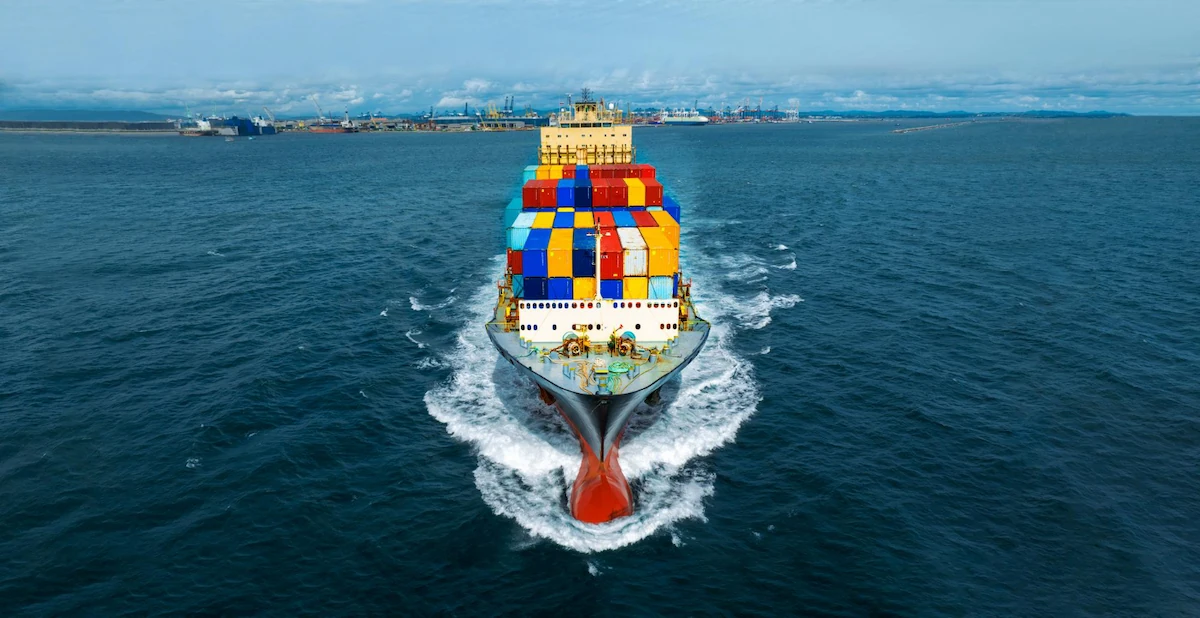
Before making a decision, be sure to choose a shipping service that suits your needs so that the distribution process runs smoothly and with minimal obstacles. Here are some tips to consider:
- Choose an experienced and trusted provider: Track record and experience greatly affect the smoothness of the shipping process.
- Ensure end-to-end services are available: From pickup, packaging, shipping, to final delivery.
- Pay attention to the monitoring and documentation system: Transparency of shipping status helps you make decisions faster.
- Check service flexibility: Ensure the provider can handle special cargo or specific project shipping needs.
Marine Logistics Solutions for Chemicals and LPG
The distribution of chemicals and LPG requires special handling, from safety standards to adequate ship capacity. To meet these needs, Chandra Daya Investasi, a subsidiary of Chandra Asri Group, provides marine logistics solutions through Chandra Shipping International (CSI).
Established in 2024, CSI operates more than 10 LPG and chemical carrier vessels with a capacity of up to 106,650 DWT. This fleet serves the internal needs of the Chandra Asri Group and external clients, ensuring product distribution runs safely, efficiently, and reliably.
With its specialized fleet and marine-sector expertise, CSI is the ideal solution for chemical and LPG marine logistics. Together with CDI as #YourGrowthPartner, manage your infrastructure and distribution needs professionally and sustainably.
Read also: CDI Group Strengthens Chemical Industry Supply Chain with Launch of New Chemical Logistics Vessel