



Climate change is becoming increasingly evident and poses a major challenge worldwide. One factor contributing to this phenomenon is carbon emissions. To help reduce them, a transition to renewable energy, such as solar panels, is necessary.
Solar panels convert sunlight into clean electricity. This makes them environmentally friendly and effective in reducing carbon emissions. As awareness of clean energy grows, the use of industrial solar panels is also expanding.
To learn more about the role of solar panels in helping to reduce carbon emissions, read this article to the end.
Why Are Solar Panels Important for Industry?
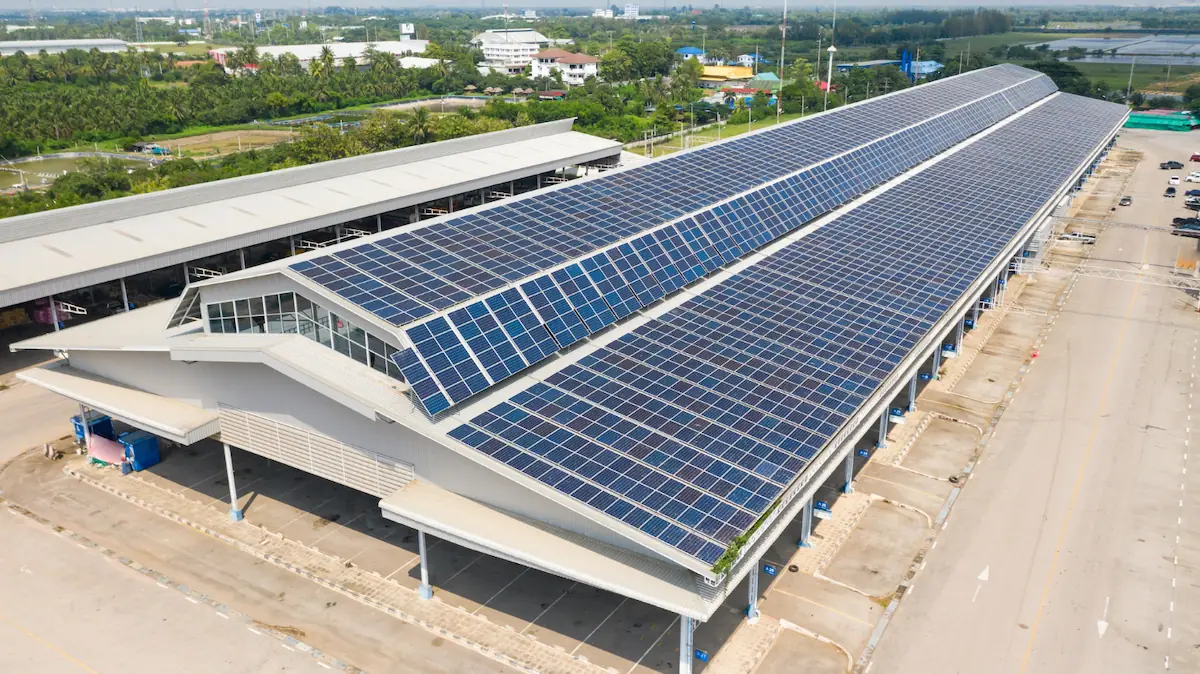
Electricity is a primary necessity for industrial and office operations to run machinery and various electronic devices. The electricity demand also continues to rise alongside technological advancements and industrial growth.
Therefore, solar panels are among the more environmentally friendly energy solutions for generating electricity.
According to data from the Center for Sustainable Systems, the solar energy reaching Earth can reach approximately 1.73 × 10⁵ terawatts, while the average global electricity demand is around 2.7 terawatts. This indicates that solar energy has significant potential to help meet future electricity needs.
How Solar Panels Work
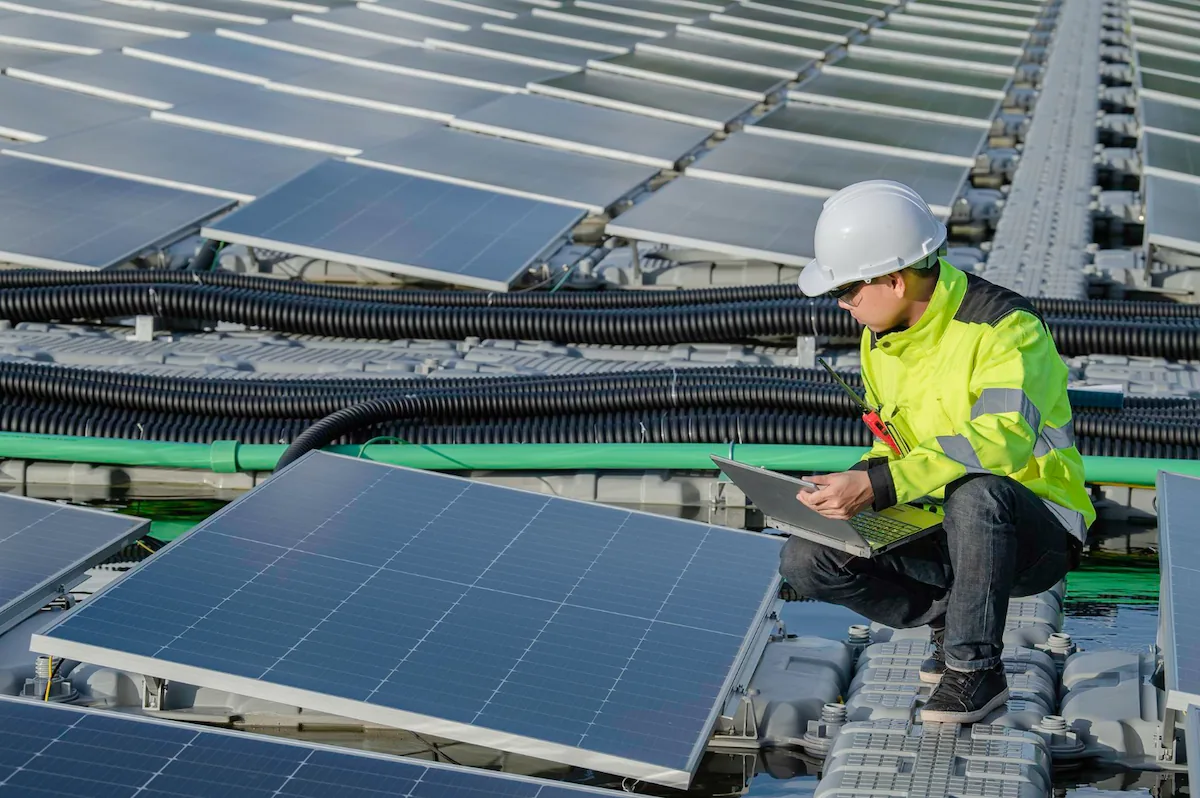
Solar panels are devices that utilize sunlight to generate electricity. They contain components such as photovoltaic cells, typically made of silicon, that capture energy from sunlight. The absorbed energy is then converted into direct current (DC) electricity.
To power electronic devices, this electricity is converted into alternating current (AC) using an inverter. Electricity from solar panels is usually generated during the day, and the energy can also be stored in batteries so it remains available at night or when sunlight is unavailable.
Read also: Creating Productive Land through Solar Energy: CDI Group Operates Ground-Mounted Solar Power Plant
Types of Solar Panels for Industrial Applications
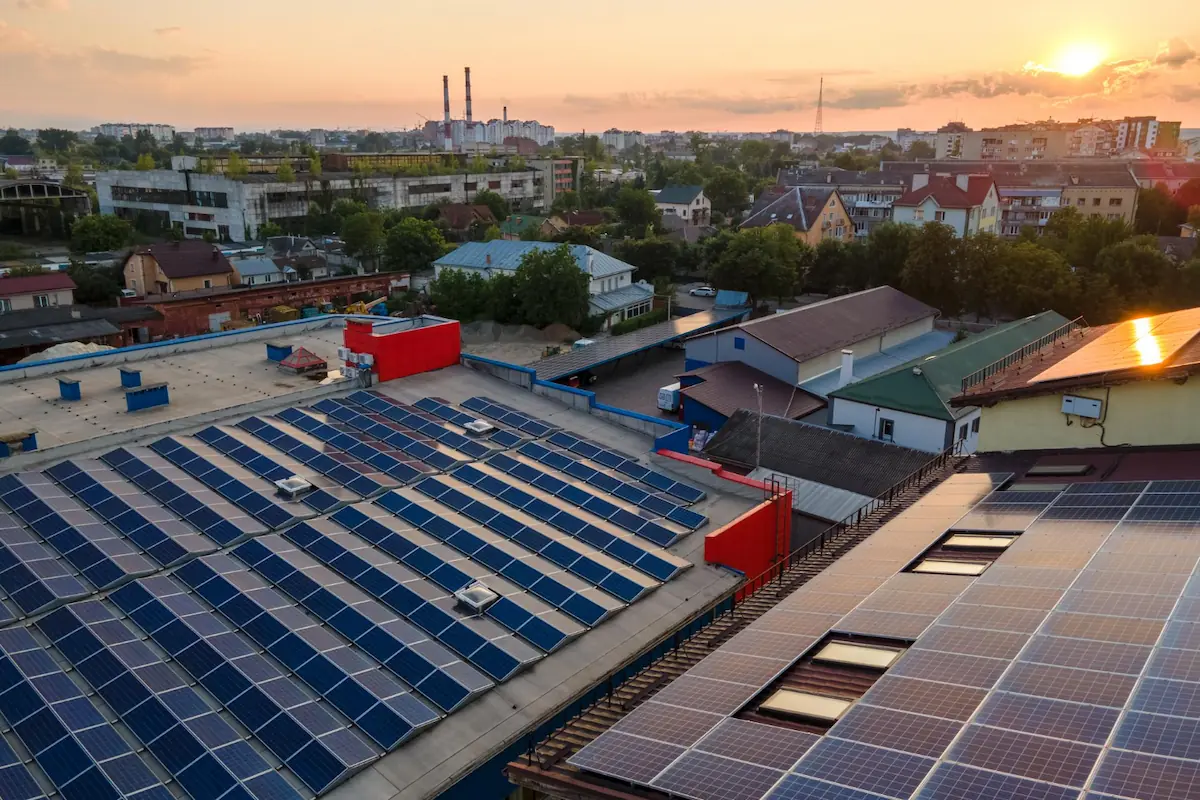
There are several types of industrial solar panels. Each has different characteristics, operating principles, and efficiency levels. Here are some common types of solar panels used for industrial needs:
1. Monocrystalline Silicon
Monocrystalline silicon is a type of solar panel made from high-quality silicon. These solar panels are widely used because they can absorb sunlight more efficiently than some other types of panels.
This is because these solar panels are made from a single pure silicon crystal, allowing them to capture and convert sunlight into electricity more effectively.
With a more compact crystal structure, the energy flow within the cell is also smoother. This type of panel typically has an efficiency rating of 15–22%, depending on the technology and design used.
These panels are typically installed on roofs that are exposed to direct sunlight. Its fairly good efficiency makes monocrystalline silicon suitable for offices and industrial areas that require a significant power supply.
2. Polycrystalline Silicon
Polycrystalline silicon is a type of solar panel made from molten silicon that is then formed into solar cells. This process creates a distinctive striped pattern on the panel’s surface, making it different from other types.
These solar panels are still effective in converting sunlight into electricity, although their efficiency is typically slightly lower than that of monocrystalline panels. Nevertheless, this type remains widely used for various solar energy needs.
3. Thin Film Solar Cell
Thin Film Solar Cells are a type of solar panel made from extremely thin layers of solar cells. These layers are bonded to a specific substrate, giving the panel the appearance of having two layers.
Given their thin profile, these solar panels are lighter and more flexible than other types. Thin-film solar cells also perform well even when the incoming light isn’t very strong. For this reason, they are often used for commercial applications or buildings that require lighter solar panels.
Factors in Choosing Solar Panels
Before choosing solar panels, there are several key factors to consider to ensure they operate optimally and last over the long term.
1. Performance
Solar panel performance relates to efficiency and power output. High-efficiency panels can convert sunlight into electricity more effectively. If roof space is limited, panels with an efficiency of over 20% are a good choice. Currently, monocrystalline panels have the highest efficiency.
2. Quality
Panel quality is often assessed based on Tier 1 classification. This category identifies solar panel manufacturers with a strong reputation and experience in large-scale solar energy projects, whose products are considered more reliable.
3. Durability
Solar panels must be durable to remain functional across a range of weather conditions, from heat to rain.
4. Warranty
A warranty is important because solar panels are a long-term investment. Generally, there are two types of warranties: a product warranty (up to about 25 years) and a performance warranty, which guarantees that the panels will continue to generate electricity at a certain percentage of their initial capacity.
5. Technical Specifications
Check the solar panel datasheet for crucial information, including efficiency, materials, power degradation, electrical characteristics, and temperature ratings. This information helps you understand the panel’s capabilities before using it.
Benefits of Solar Panels for Industry
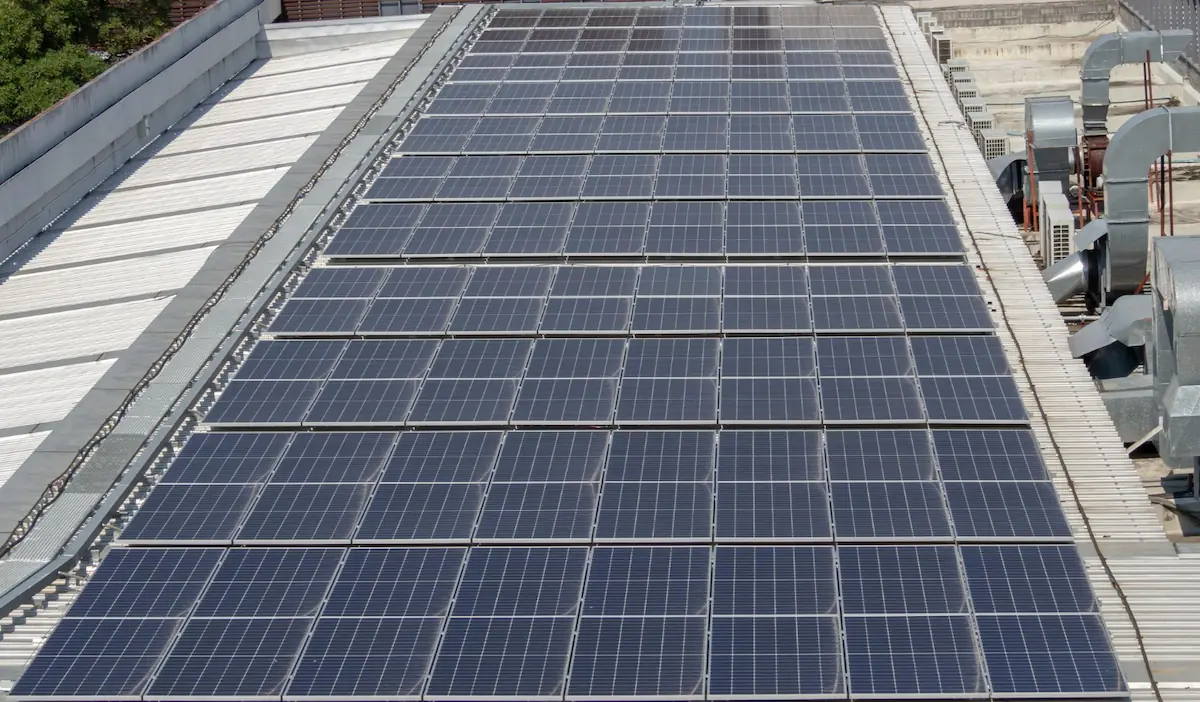
The use of solar panels in the industrial sector not only provides an alternative power source but also offers several benefits to companies. Here are some benefits of using solar power systems for industry:
1. Reduced Electricity Costs
Solar panels can help reduce electricity costs by utilizing sunlight as an energy source. This solar energy is converted into electricity to power machinery and various equipment in offices or industrial facilities.
By generating their own electricity, companies also become less reliant on the utility company's electricity. This can help reduce monthly electricity bills.
2. Low Maintenance Costs
The maintenance costs of solar power systems are relatively low because they have few components that are prone to damage. Maintenance is also quite simple. Typically, solar panels only need to be cleaned about once every six months.
Additionally, operational costs can be further reduced because solar panels harness sunlight, which is free. In the long term, using solar power systems can help companies reduce their energy expenses.
3. Environmentally Friendly
Solar panels generate electricity by harnessing energy from sunlight. Unlike electricity from fossil fuels such as oil, coal, or natural gas, which are finite resources, solar power systems use energy that is continuously available.
Solar power systems also do not produce smoke or carbon emissions that can harm the environment. The electricity generated is cleaner, so it does not negatively impact air quality or the environment. The use of solar power systems can also help support future efforts to reduce carbon emissions.
4. Enhancing Corporate Image
Using solar power plants can help a company build an image as an environmentally conscious business. This is because solar panels utilize renewable energy and generate cleaner electricity, thereby helping to reduce carbon emissions.
Additionally, the use of solar panels can be part of a company’s branding strategy. This approach can attract environmentally conscious consumers and convey the impression that the company is committed to environmental responsibility and sustainability.
5. Reducing the Carbon Tax Burden
The Indonesian government has established a carbon tax through Law No. 7 of 2021 regarding the Harmonization of Tax Regulations. This regulation allows activities that generate carbon emissions, including the use of fossil fuels, to be subject to taxation.
By using solar panels, companies can help reduce carbon emissions, thus lowering their tax expense. This step also demonstrates the company’s commitment to protecting the environment and mitigating the impacts of climate change.
Together with Chandra Daya Investasi, Improve Energy Efficiency
That concludes the information on industrial solar panels, covering how they work, their types, and their various benefits for company operations. The implementation of solar energy can provide a more efficient power source while supporting environmental conservation efforts.
In its implementation, support from a trusted energy provider is crucial. One such provider is Chandra Daya Investasi, which offers reliable energy solutions for industrial needs.
Through its subsidiary, PT Krakatau Chandra Energi, Chandra Daya Investasi supplies electricity with a generation capacity of approximately 120 megawatts to meet the energy needs of the Krakatau Industrial Park.
The power generation system uses natural gas-fired combined-cycle technology, enabling the electricity production process to operate more efficiently.
Additionally, the region's electricity supply is supported by PT Krakatau Posco Energy through a 200-megawatt steam-powered power plant and a transmission network capable of operating at up to 150 kilovolts.
All of this infrastructure is managed by Chandra Daya Investasi, a subsidiary of the Chandra Asri Group that focuses on energy infrastructure development and the reliability of electricity supply.
With the support of Chandra Daya Investasi as an energy partner, industrial electricity needs can be met by an efficient, stable system ready to support sustainable business growth.
Read also: Clean Water Treatment for Industry: Methods and Stages