



A logistics warehouse is a facility in supply chain management that not only works as a storage facility but also as an operational hub to support the distribution of various industries.
As trade and modern industry develop, this warehouse becomes significant in maintaining efficient goods management and movement.
Then, what are the functions and types of logistics warehouses? Read the following explanation to understand more.
What Is a Logistics Warehouse?
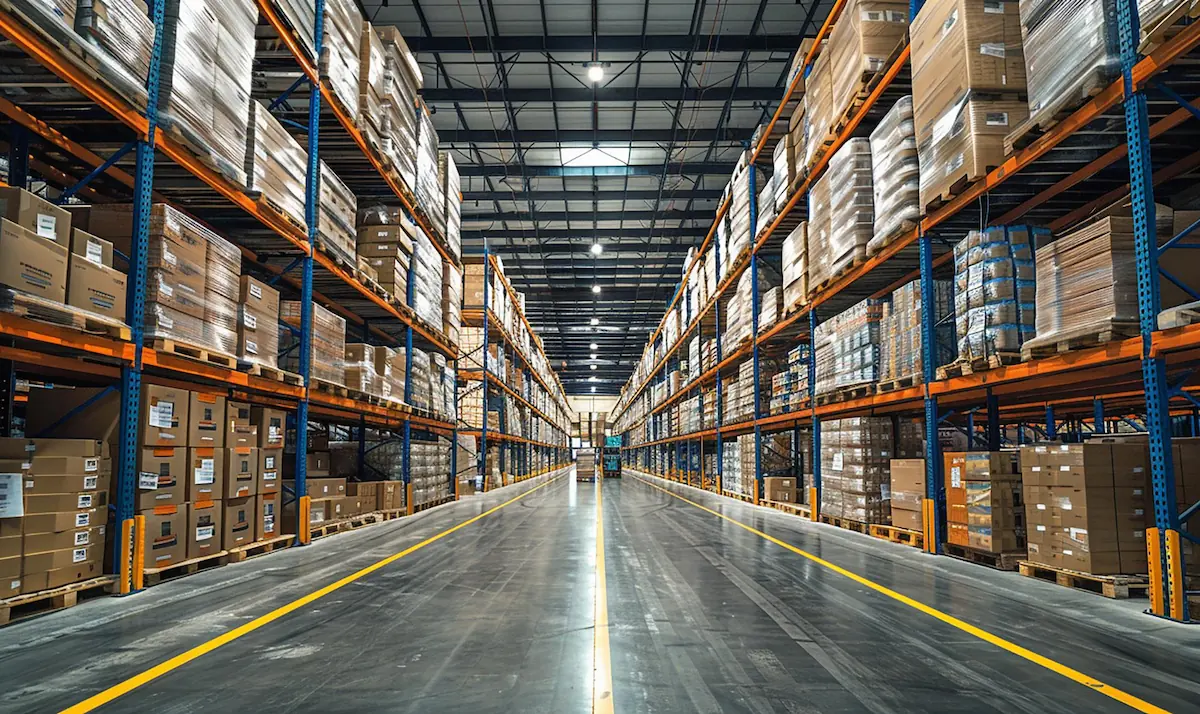
A logistics warehouse is a crucial facility in the supply chain for storing and managing goods safely until they are ready for distribution. The process is not merely storing but also includes goods receiving, inventory management, repacking, delivering, and returned goods management.
A logistics warehouse management system ensures that the goods are available in the right amount and time, in the best condition, to make the distribution efficient.
With the support of technology, such as warehouse management systems, automation, and real-time tracking, as well as the implementation of structured logistics warehouse SOPs, operations are now faster and more responsive to market needs.
Functions of a Logistics Warehouse
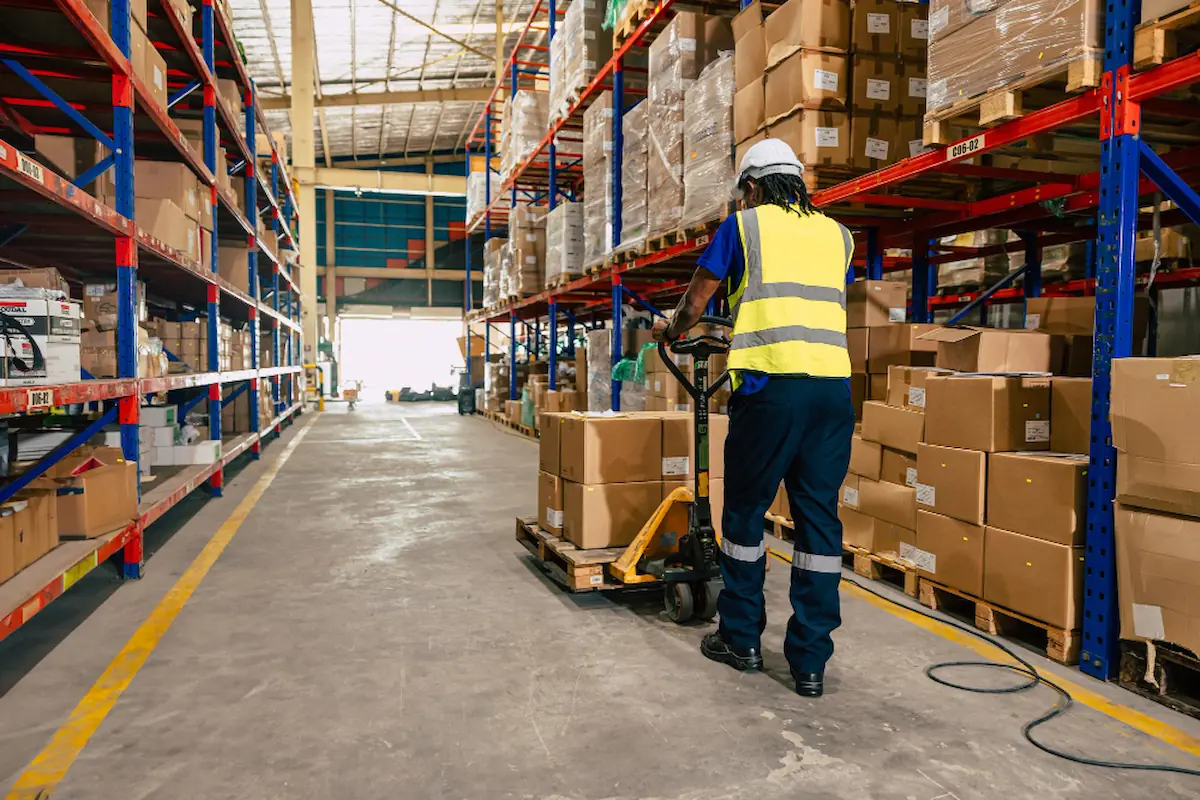
In the goods distribution flow, a warehouse not only functions as a storehouse. There are also several interconnected processes to make sure that the goods arrive at the destination on time and efficiently. Regarding the functions of a logistics warehouse, here is the complete explanation:
- Storage and maintenance of goods: Warehouses are used to temporarily store goods before distribution while keeping them safe and controlled during storage.
- Packaging of goods: Warehouses also provide facilities and equipment for packaging goods before they are sent to customers or their final destination.
- Item grouping spots: Stocks can be grouped based on type, destination, or specific orders to make inventory management and the shipping process easier and more efficient.
- Order fulfillment: Warehouses store the stock needed to fulfill customer orders, then prepare and select goods according to incoming orders.
- Goods shipping: After processing and packaging, warehouses arrange for shipment to the destination, including working with logistics and transportation service providers.
Read also: CDI Group Strengthens Chemical Industry Supply Chain with Launch of New Chemical Logistics Vessel
Types of Logistics Warehouses
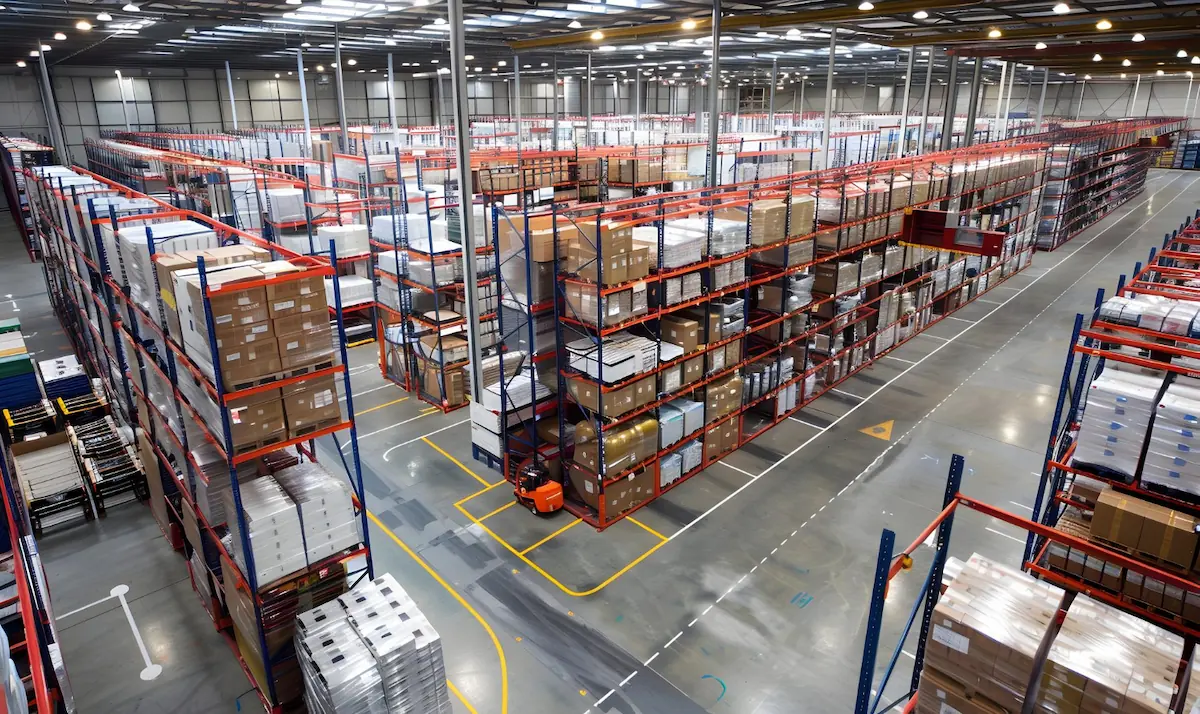
Every company has different storage and distribution needs. Therefore, the examples of logistic warehouses also vary and can be customized to the business characteristics. Below are the types of logistics warehouses you must know:
- Public warehouse: It is owned and managed by a company or logistics service provider that offers storage and distribution services to various customers.
- Private warehouse: A warehouse owned and operated exclusively by a single company to store and manage its own inventory, according to internal needs.
- Centralized warehouse: All of a company's inventory is stored in one central location for more efficient inventory management and control.
- Decentralized warehouse: Uses several warehouses spread across strategic locations to bring inventory closer to specific markets or customers.
- Distributed warehouse: Consists of a network of smaller warehouses spread across various regions, with each location serving as a regional or local distribution center.
The Roles of a Logistics Warehouse in the Supply Chain
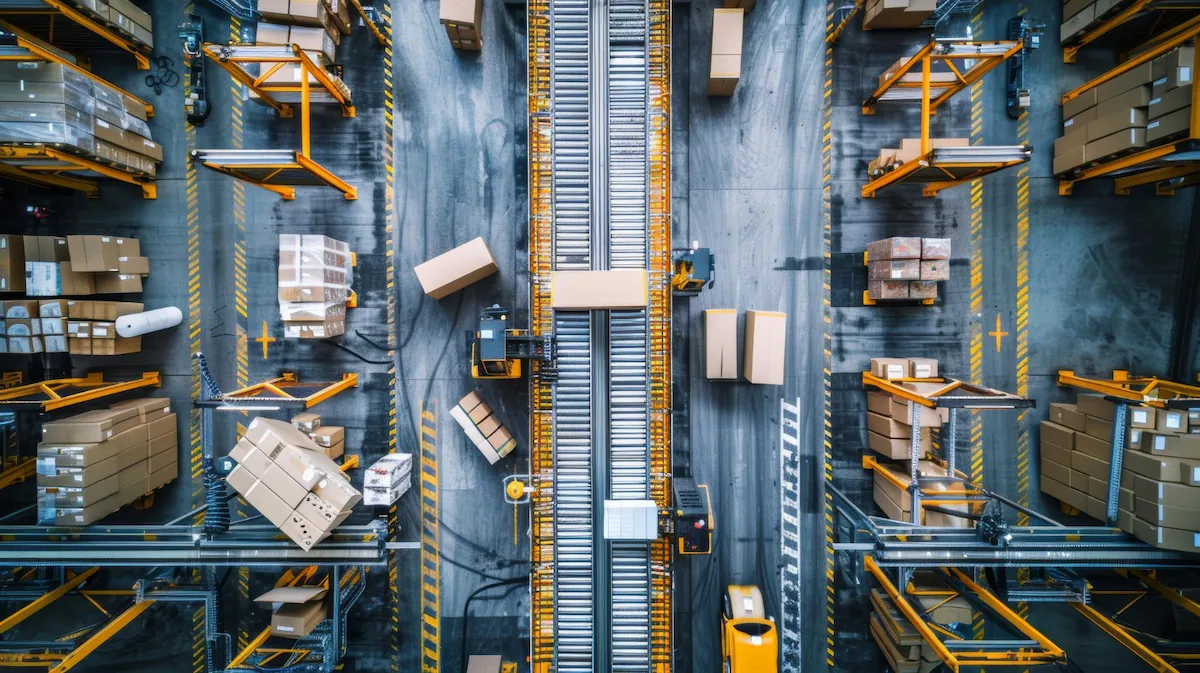
In the supply chain, a warehouse plays an important role in ensuring the goods flow from the manufacturer to the consumer. It supports the operational efficiency and distribution stability. The roles of a logistics warehouse are as follows:
- Reducing lead time: By storing stock closer to the market, warehouses help speed up the process from ordering to delivery, resulting in a faster response to demand.
- Providing inventory reserves: Warehouses serve as buffer stock to anticipate spikes in demand, production delays, or distribution disruptions.
- Facilitating consolidation: Goods from various suppliers can be consolidated before being shipped to their final destination, which lowers shipping costs.
- Supporting distribution activities: Warehouses serve as distribution hubs for goods to various regions, facilitating route planning, cost savings, and market expansion.
With those roles, warehouses become a vital part of creating a more responsive, organized, and competitive supply chain.
Read also: Chandra Asri Group acquires vessels to strengthen supply reliability
Considerable Factors for Choosing a Logistics Warehouse
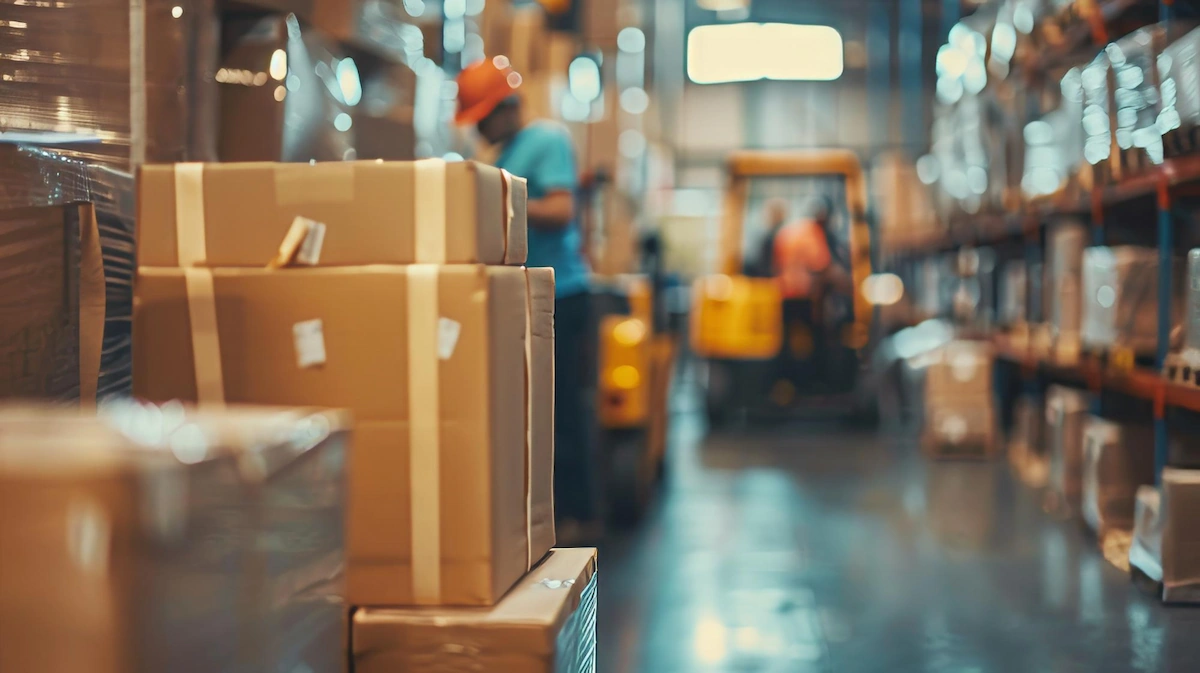
Other factors determine the types of warehouses besides their status as storage facilities. Your decision directly affects the distribution flow and operational efficiency.
Therefore, you must align your business needs and product characteristics. Below are some factors you can consider:
- Product types and characteristics: Certain products require special conditions, such as controlled temperatures, specific humidity levels, or high-security systems. Ensure that the warehouse can meet these requirements.
- Business objectives and needs: Every business has different needs, including the level of flexibility in storage and distribution. Understanding the business objectives will help determine the most suitable type of warehouse.
- Scale of operations and production volume: For high production volumes, private or centralized warehouses can be more efficient. Meanwhile, for lower volumes, decentralized or distributed warehouses can be a more flexible option.
- Operational and management costs: Shared warehouses are usually more affordable because they are used by several companies.
- Availability of infrastructure and labor: Ensure that the warehouse location is supported by adequate transportation infrastructure and skilled labor to make operations run smoothly.
LPG and Chemical Logistics Solutions
As a part of the Chandra Asri Group, Chandra Daya Investasi (CDI) provides integrated logistics solutions for distributing LPG and chemicals via land and sea freight.
In land logistics, we operate through PT SCG Barito Logistics (SBL) and PT Chandra Cold Chain (CCC), which manage warehouse facilities and provide truck transportation, including inter-island services, import-export facilities, and customs support. Currently, there are 155 trucks used for CDI's land logistics services.
For sea logistics, CDI, through PT Chandra Shipping International (CSI), operates a fleet of LPG and chemical-carrier ships that ensure a smooth distribution process.
Recently, there have been more than 10 LPG and chemical carrier ships with a capacity of up to 106,650 DWT to meet CDI's sea logistics services.
Through integrated fleet and infrastructure, CDI is ready to be your partner in supporting businesses' supply chains as #YourGrowthPartner.