



Economic building needs the support of proper public facilities. Roads, ports, energy, and telecommunications become crucial foundations for business activities. Without a strong infrastructure, it can hinder goods distribution and community mobilization.
One way to support this development is through infrastructure investment. This funding helps build and improve various facilities that are essential for the community and industry. Read the complete information in this article to learn more.
What Is Infrastructure Investment?
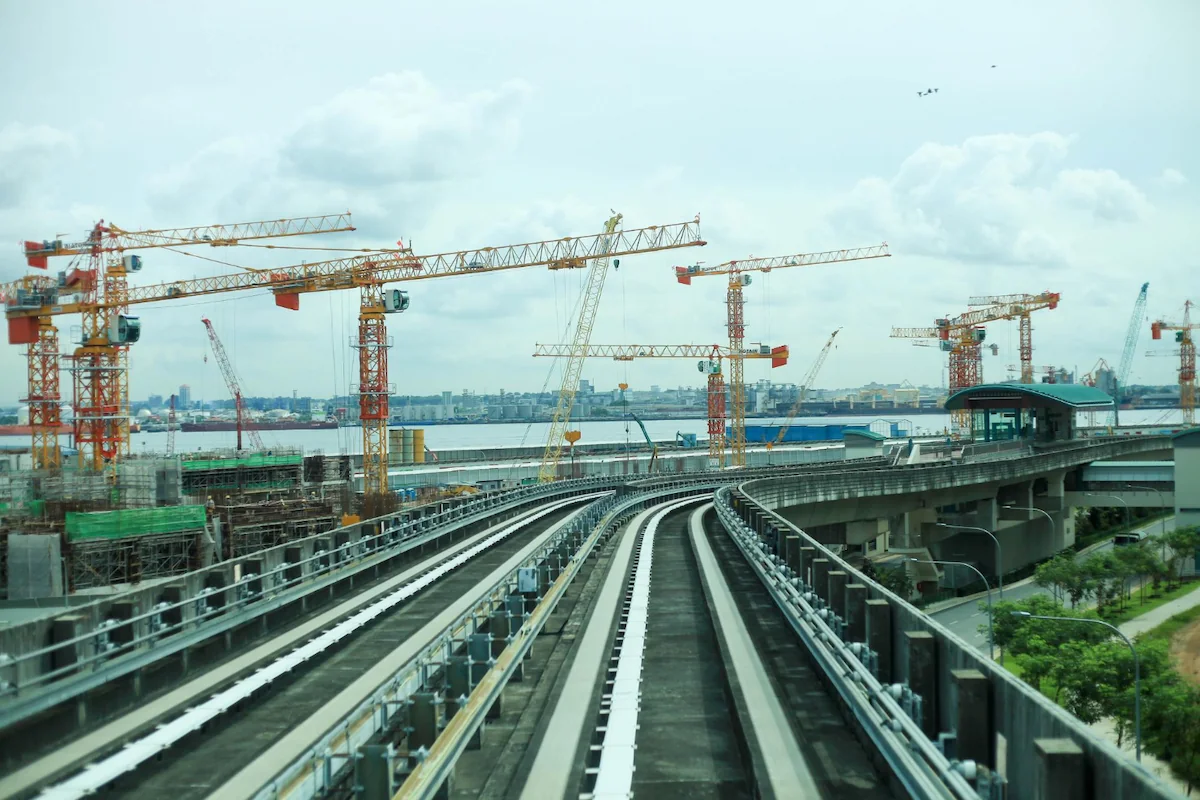
Infrastructure investment is capital funding to build, develop, or improve a physical facility supporting economic and social activities. The infrastructure includes various important facilities, such as roads, harbors, airports, energy networks, telecommunication, and logistics systems, upholding distribution and mobility.
Through infrastructure investment, the government or a private company tries to improve the quality of public facilities, ensuring the efficient movement of goods, services, and people. Proper infrastructure also plays a vital role in maintaining economic activity and strengthening interregional connectivity.
Examples of Infrastructure Investment
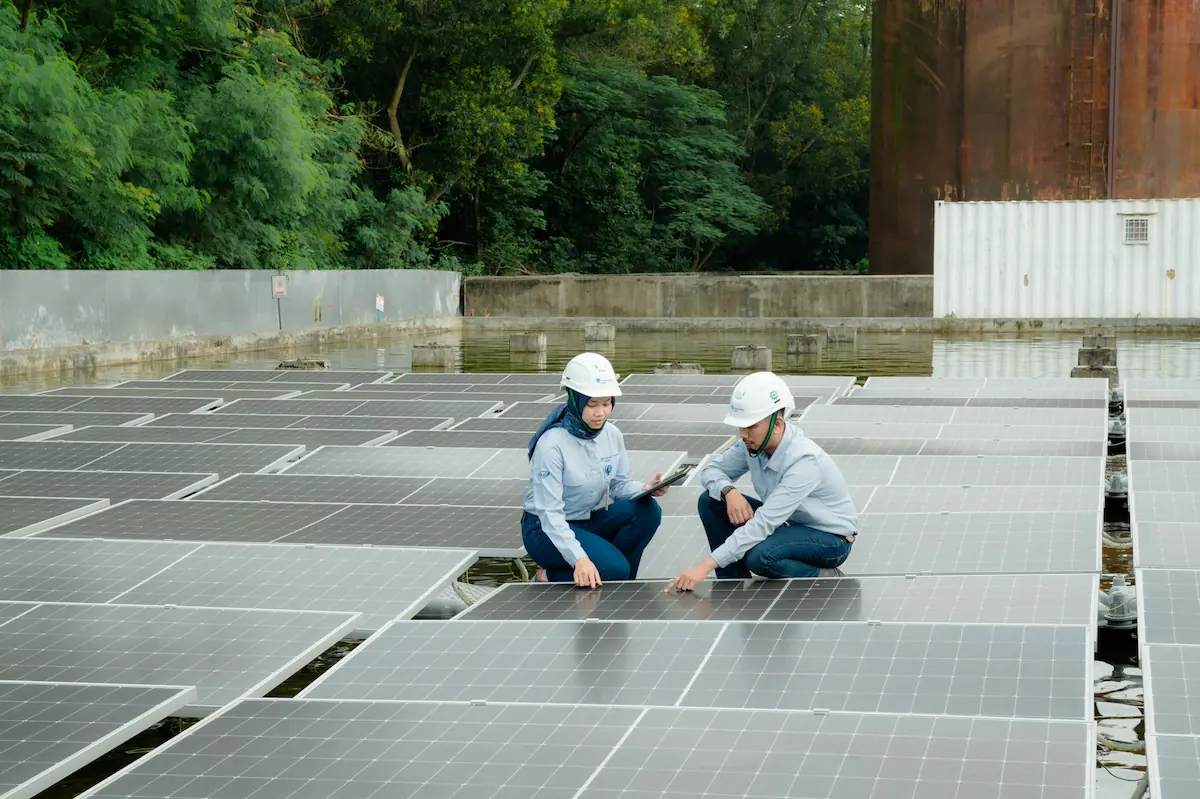
To understand how infrastructure investment is carried out, here are several examples in various sectors. Here are some of them:
1. Energy Infrastructure
Investments in energy infrastructure include the construction of power plants, oil and gas pipelines, and energy distribution networks. This infrastructure is essential for ensuring a stable energy supply for industry, business, and the daily needs of the community.
If you need support for energy infrastructure development, you can count on energy solutions from the Chandra Asri Group! As #YourGrowthPartner and a subsidiary of the Chandra Asri Group, Chandra Daya Investasi provides electricity through Krakatau Chandra Energi (KCE).
Chandra Daya Investasi’s energy solutions are supported by power plants with a total capacity of 120 MW, which supply the majority of the energy needs in the Krakatau Industrial Estate (KIK), spanning approximately 2,666 hectares.
Currently, Krakatau Chandra Energi (KCE) serves 216 customers across the industrial, commercial, social, and government sectors, as well as 1,609 residential customers.
In our power generation operations, Krakatau Chandra Energi (KCE) operates a gas-fired combined cycle power plant (CCPP) with a capacity of 120 MW.
This system consists of two gas turbines, two heat recovery steam generators, and one steam turbine. Its primary fuel is natural gas, ensuring that the energy produced is efficient and meets industry quality standards.
Read also: What Is Renewable Energy? Explanation, Types, and Benefits
2. Renewable Energy Infrastructure
Renewable energy infrastructure investment includes solar, wind, and hydropower projects. It not only supports a clean energy transition but also reduces the dependence on fossil fuels.
Regarding this, Krakatau Chandra Energi also provides renewable energy infrastructure of solar panels. KCE has operated 2,200 kWp of solar power plants in 2024. We have four solar panel installation mechanisms: on-grid, on-grid with backup battery, off-grid, and hybrid.
3. Public Facility
Public facilities include a clean water system, wastewater management, electricity, a hospital, a school, and other social facilities. This infrastructure is crucial to improving the public’s quality of life and supporting economic activity.
4. Telecommunication Infrastructure
Telecommunication infrastructure includes a broadband network, cellular tower, data center, and other digital communication systems. This asset is getting more important in the digital era because it upholds connectivity, communication, and technology-based services.
5. Transportation Infrastructure
Indonesia's infrastructure investments in the transportation sector include the construction and management of toll roads, bridges, airports, ports, and railways. It supports public mobility, facilitates the distribution of goods, and improves national logistics efficiency.
Advantages of Infrastructure Investment
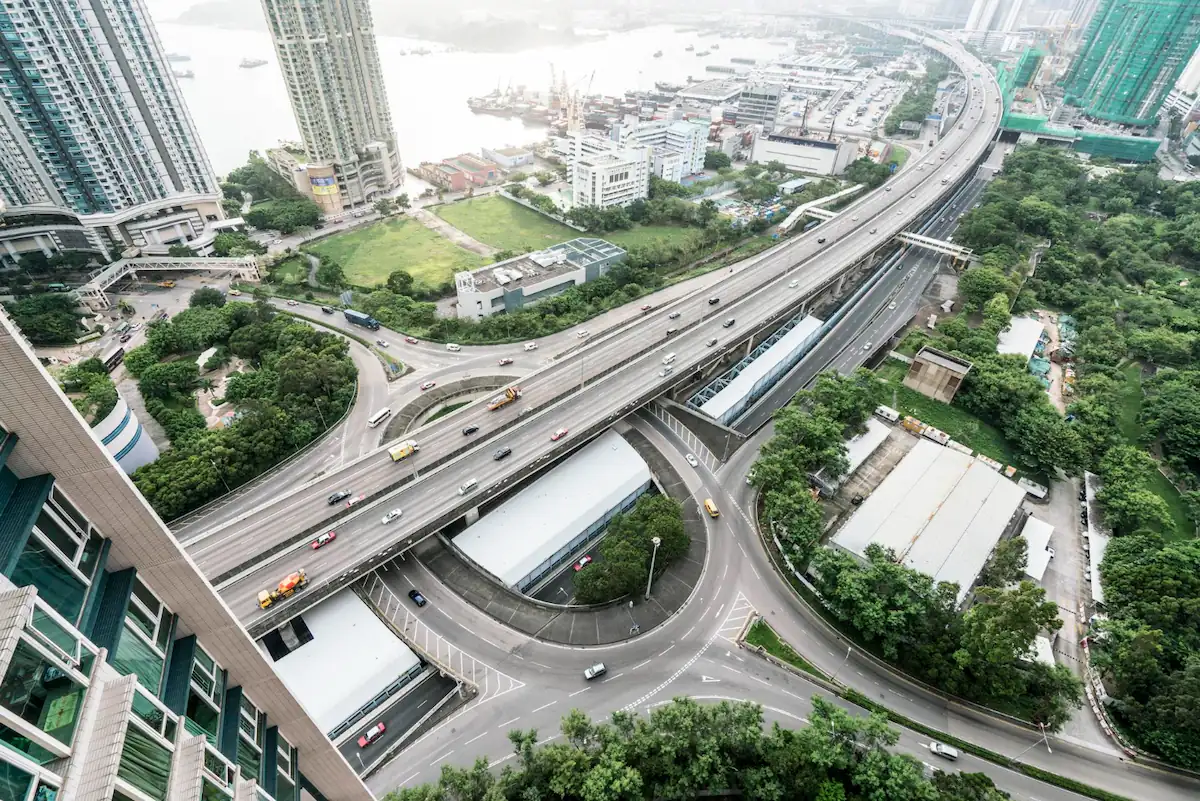
Infrastructure investment offers various advantages for investors and the economy. Here are some key benefits you must know:
1. Diversification
Infrastructure investment opens more diversification opportunities compared to ordinary securities. These assets have a different risk and return profile than other stocks and offer geographic diversification because they are spread across various countries.
2. Stable and Recurring Cash Flow
Given that demand for infrastructure services is relatively consistent, revenue from these investments is easier to predict over the long term. As a result, investors typically receive stable returns through dividends or regular distributions.
However, this can become quite volatile due to geopolitical factors and global issues, such as political conflicts, war, and pandemics.
3. Protecting from Inflation
Infrastructure assets tend to benefit from inflation. The asset change and building costs will increase over time, while user rates are usually adjusted annually, making the investment value remain protected from inflation.
Read also: Logistics Warehouse: Definition, Function, and Types
Risks of Infrastructure Investment

Despite offering many advantages, infrastructure investment also has risks you must consider. Below are some of the risks:
1. Interest Rate Risks
Interest rate fluctuation can affect the cost of financing infrastructure projects. Many infrastructure projects are financed through large loans, so an increase in interest rates can raise loan costs and potentially lower the rate of return on investment (ROI).
2. Political Risks
Changes in government policies or regulations can affect the operations and revenue of infrastructure projects. New policies regarding permitting, tariffs, or project management can impact the viability of investments. In some cases, policy changes can also create uncertainty for investors.
3. Exchange-Traded Infrastructure Risks
Infrastructure instruments traded on the stock market can experience price fluctuations similar to those of ordinary stocks in the short term. Therefore, investors should remain patient during market volatility and avoid making hasty decisions to sell their assets.
This concludes the information on infrastructure investment, covering its definition, examples, and benefits in supporting economic activity and regional development. Well-managed infrastructure can help businesses operate more efficiently.
Corporate investments today should focus on environmentally friendly renewable energy. Thus, if your company requires energy solutions, trust Chandra Daya Investasi to provide them!
Read also: Get to Know Types of Transportation in Logistics & Functions