



Clean energy comes from renewable sources that do not produce air-polluting emissions when used. Its use is related to efforts in energy efficiency and environmentally friendly innovations.
The term clean energy is often used interchangeably with green energy or renewable energy, although the three terms do not have identical meanings. To understand the definition and types of clean energy more clearly, read this article to the end.
What Is Clean Energy?
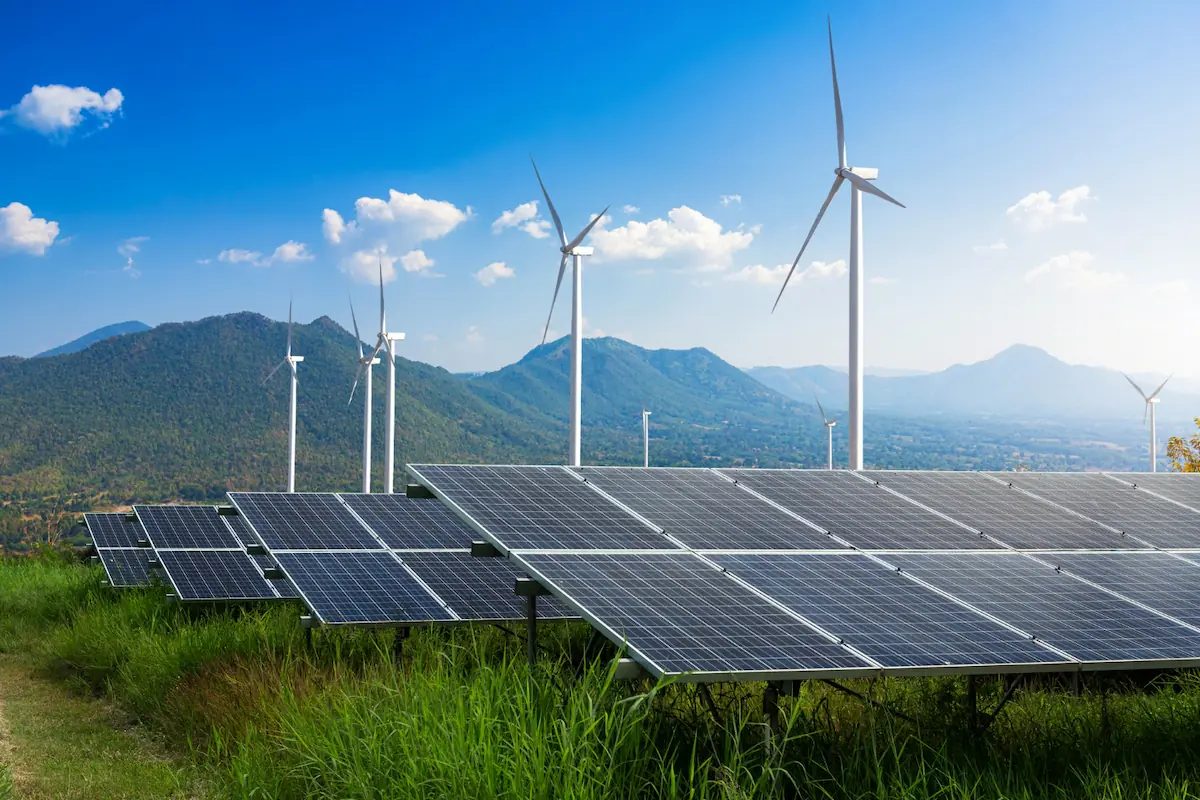
Clean energy comes from sources that do not produce air pollution, helping reduce environmental pollution while supporting the use of more Earth-friendly energy.
Some examples of clean energy come from renewable sources, such as the sun and wind. Since it does not produce harmful emissions, this type of energy is increasingly used as an alternative to fossil fuels across various sectors.
According to the Ministry of Energy and Mineral Resources, clean energy development in Indonesia showed significant progress in 2025. The installed capacity of New and Renewable Energy (NRE) reached 15,630 MW, accounting for 15.75% of the electricity sector's mix.
The figure even slightly exceeds the target set in the National Electricity General Plan (RUKN) of 15.9%. This data shows that Indonesia is increasingly serious about promoting clean energy to support more environmentally friendly electricity generation.
Why Is Clean Energy Important?
The use of clean, renewable energy primarily has positive environmental impacts. With the implementation of clean energy, it is hoped that a safer and more sustainable energy future can be created.
Besides preserving natural resources, clean energy can also reduce the risk of environmental damage, such as fuel spills or gas leaks that can pollute the air and water.
The use of various energy sources also helps create a more stable electricity supply, ensuring the community's energy needs can continue to be met more safely.
Read also: Strengthening CDI Group’s Role: Chandra Asri Group and EGCO Inject Additional Capital
Types of Clean Energy
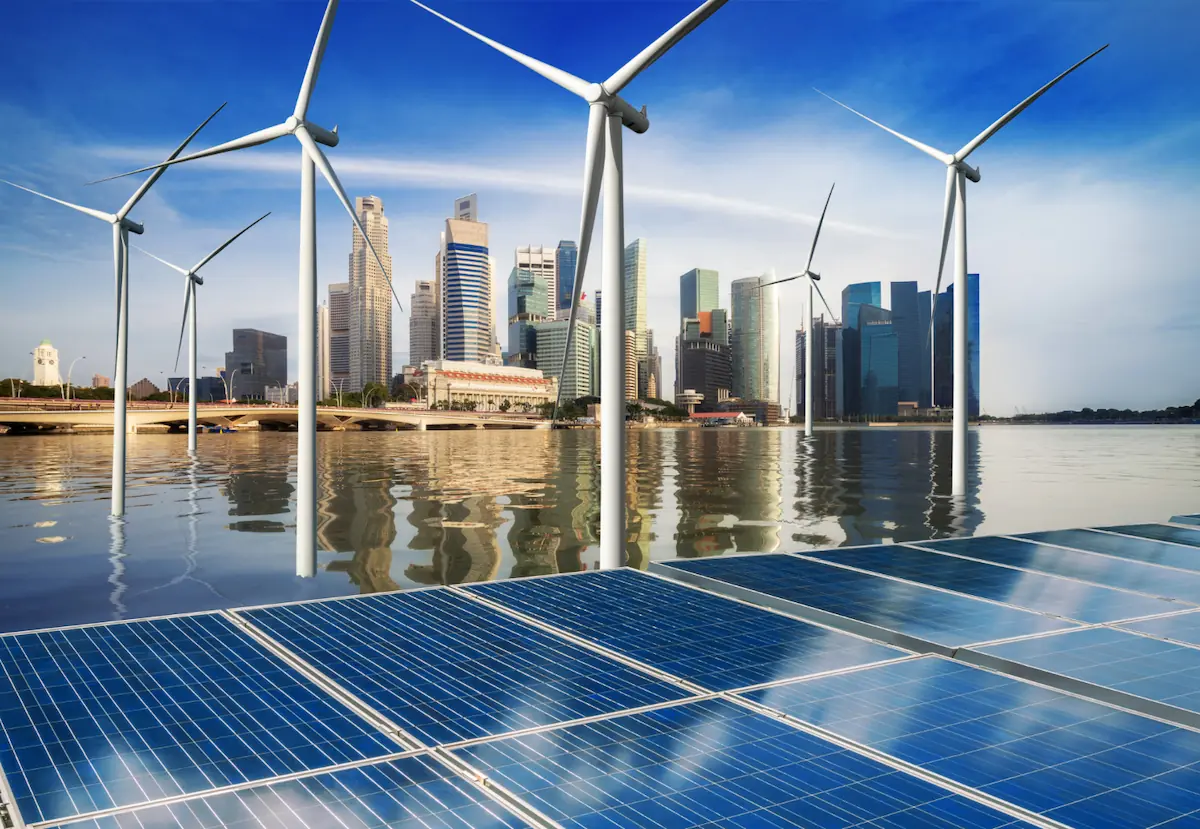
Did you know that some clean energy sources are naturally available and can be used to generate electricity in a more environmentally friendly way? Here are some of the most commonly used types of clean energy:
1. Solar Energy
Solar energy is a clean, affordable energy source derived from sunlight. This energy source does not produce air pollution when used, making it more environmentally friendly.
Using technologies such as solar panels, sunlight can be converted into electricity for various needs, including home lighting. Since it comes from nature and is abundant, solar energy has become one of the most widely used sources of clean energy.
One example of solar energy utilization as a power source is present in Chandra Daya Investasi’s renewable energy solutions.
Through its subsidiary, PT Krakatau Chandra Energi, Chandra Daya Investasi operates solar panels with a capacity of approximately 2,200 kWp to meet energy needs in industrial areas.
All of these energy facilities are managed by Chandra Daya Investasi, part of the Chandra Asri Group, which focuses on developing energy infrastructure and maintaining a reliable electricity supply for the industrial sector.
2. Wind Energy
Wind energy is a form of clean energy that can be used for a long time. This energy source comes from wind, which is abundant and not easily depleted.
Wind can be converted into electricity by using wind turbines. The electricity produced can then be distributed to meet the community's energy needs. Wind power plants can be built on land or at sea.
However, wind turbines located at sea usually generate more stable electricity because wind speeds tend to be stronger and more consistent.
3. Water Energy
Water is also a source of clean energy from nature. It is very abundant and continuously available because it follows a natural cycle, so it can be utilized over a long period.
Water can be used to generate electricity through hydropower plants. The flow of water from higher to lower elevations can drive turbines and generate electrical energy. Additionally, the movement of ocean waves can be harnessed as a source of energy.
The abundant availability of water on Earth makes it a promising, environmentally friendly, and sustainable energy source for electricity generation.
Read also: Renewable Energy Sources: Investing for a Green Future
Differences Between Clean Energy, Green Energy, and Renewable Energy
The terms clean energy, green energy, and renewable energy often appear in discussions about more environmentally friendly energy. The three are indeed interconnected, so many people assume they mean the same thing. In fact, each term has a slightly different definition.
Clean energy is energy that does not produce air pollution when used. This energy does not release harmful gases into the atmosphere, such as carbon dioxide, methane, or nitrous oxide. Clean energy is considered safer for the environment because it does not pollute the air, thereby helping to reduce the impacts of climate change.
Renewable energy comes from sources that can be naturally replenished. These energy sources will not run out because they are continuously available in nature over a relatively short time. Examples include solar, wind, water, and geothermal energy, which can be used sustainably.
On the other hand, green energy is energy derived directly from natural sources and has a very small environmental impact. This energy usually comes from natural processes such as sunlight, wind, or flowing water, which can be harnessed without damaging the surrounding ecosystem.
That concludes the explanation of clean energy, from its definition to the distinction between renewable and green energy. The use of clean energy is an important step the industrial sector can take to reduce carbon emissions while protecting the environment.
By switching to cleaner energy sources, industrial operations can continue optimally without producing large amounts of air pollution.
The utilization of clean energy cannot reach its full potential without the support of energy providers with strong networks and infrastructure, as well as a stable electricity supply. To meet this need, Chandra Daya Investasi provides energy services specifically designed to support industrial activities.
With the support of Chandra Daya Investasi as #YourGrowthPartner, industrial energy needs can be consistently met while also supporting the transition to cleaner, more environmentally friendly, and sustainable energy use.
Read also: CDI Group Expands Solar Power Portfolio to 11 MWp by November 2025