



Energy demand in the industrial sector continues to increase every year, while fossil fuel reserves are dwindling and negatively impacting the environment. This situation makes alternative energy sources an ideal solution for greener and more efficient industrial operations.
Perhaps you are wondering which alternative energy sources are environmentally friendly and relevant to industrial activities? Can these energy sources be easily implemented in the production process? Check out the various alternative energy sources currently available in the following article!
What Are Alternative Energy Sources?
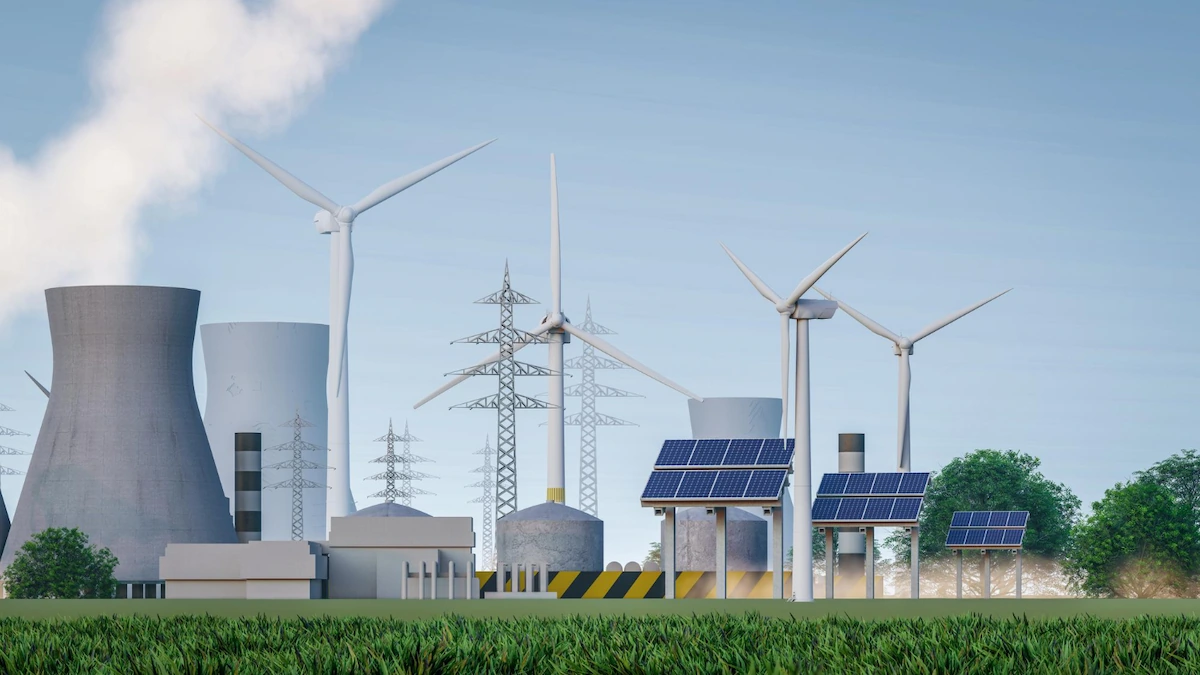
Alternative energy sources are used as substitutes for fossil fuels, such as petroleum, coal, and natural gas. Their use is growing because they are considered more environmentally friendly and emit fewer emissions.
Typically, alternative energy comes from renewable natural resources, such as sunlight, wind, water, geothermal heat, and biomass. Unlike fossil fuels, which are limited in quantity, alternative energy sources are available for long-term use.
In Indonesia, the development of alternative energy has also been supported by Law Number 30 of 2007 on Energy, which encourages diversification and national energy security. Government Regulation Number 79 of 2014 on the National Energy Policy also targets increasing the share of new and renewable energy in the national energy mix.
Through this policy, the government has set a minimum target of 23% by 2025, rising to 31% by 2050, to strengthen energy security while promoting more sustainable energy consumption.
Why Are Alternative Energy Sources Important?

As explained earlier, energy demand will continue to increase as the population grows and industry develops. On the other hand, fossil fuel reserves are dwindling. This situation makes the transition to more sustainable energy an urgent necessity.
In addition to availability issues, fossil fuels also emit greenhouse gases that harm the environment. Companies that switch to alternative energy can reduce their carbon footprint, support sustainability, and enhance their environmentally friendly image.
Alternative energy sources such as solar, wind, or biomass also enable long-term cost savings and operational efficiency. With proper planning and installation, businesses can meet their energy needs and comply with applicable regulations.
Furthermore, alternative energy sources produce lower greenhouse gas emissions, thereby helping mitigate the impact of the climate crisis. In short, the use of alternative energy sources is crucial for businesses as it ensures abundant energy availability, reduces carbon emissions, improves operational efficiency, and is safer for the environment in the long term.
Read also: Strengthening CDI Group’s Role: Chandra Asri Group and EGCO Inject Additional Capital
Examples of Alternative Energy Sources

To understand the application of renewable energy, you need to be familiar with various examples of alternative energy sources. This is because each type of alternative and renewable energy has different characteristics and methods of utilization. Here is a detailed explanation:
1. Solar Energy
Solar energy utilizes free and abundant sunlight to generate electricity or heat through solar panels (photovoltaic). Solar energy can help companies reduce their dependence on conventional electricity and help reduce monthly electricity costs.
Therefore, entrust your solar power plant installation to Chandra Daya Investasi's energy solutions.
As #YourGrowthPartner under the Chandra Asri Group, Chandra Daya Investasi offers new and renewable energy solutions to support electricity needs through Krakatau Chandra Energi (KCE).
Our services guarantee energy efficiency and quality in accordance with industry standards through four solar panel installation mechanisms. KCE has also constructed and operated solar power plants (SPPs) up to 2,200 kWp since December 2024.
As of today, KCE has served 216 customers across the industrial, business, social, and government sectors, as well as 1,609 residential customers. Furthermore, KCE continues to develop additional renewable energy solutions, enabling consumers to transition to cleaner alternative energy sources.
2. Wind Energy
Wind energy is obtained from wind gusts that drive turbines to generate electricity. In addition to being abundant, wind energy as a source of electricity is relatively clean from pollution and completely environmentally friendly.
Wind energy is most effectively utilized in windy areas, such as coastal regions or highlands. Places with stable wind speeds allow turbines to generate electricity optimally and consistently to meet industrial needs.
Read also: Chandra Asri Group Acquires Vessels to Strengthen Supply Reliability
3. Water Energy
Water energy is generated from rivers, dams, or water currents, driving turbines to generate electricity. In addition to generating electricity, hydroelectric power can also be used for cooling systems or certain industrial production processes.
4. Geothermal Energy
As the name suggests, geothermal energy utilizes natural heat from within the Earth to generate electricity or hot steam for industrial processes. The use of geothermal energy is most optimal in areas with high geothermal potential, such as regions around volcanic mountains.
5. Wave Energy
Wave energy is generated by the movement of waves and converted into electricity using turbines or specialized systems. It can be an alternative electricity source for companies operating in coastal areas.
6. Biomass
Biomass energy comes from organic materials such as agricultural waste, wood, or industrial production residues. These materials are then processed into biogas or biofuel that can be reused as electricity generators or more environmentally friendly fuels for vehicles.
Benefits of Alternative Energy Sources
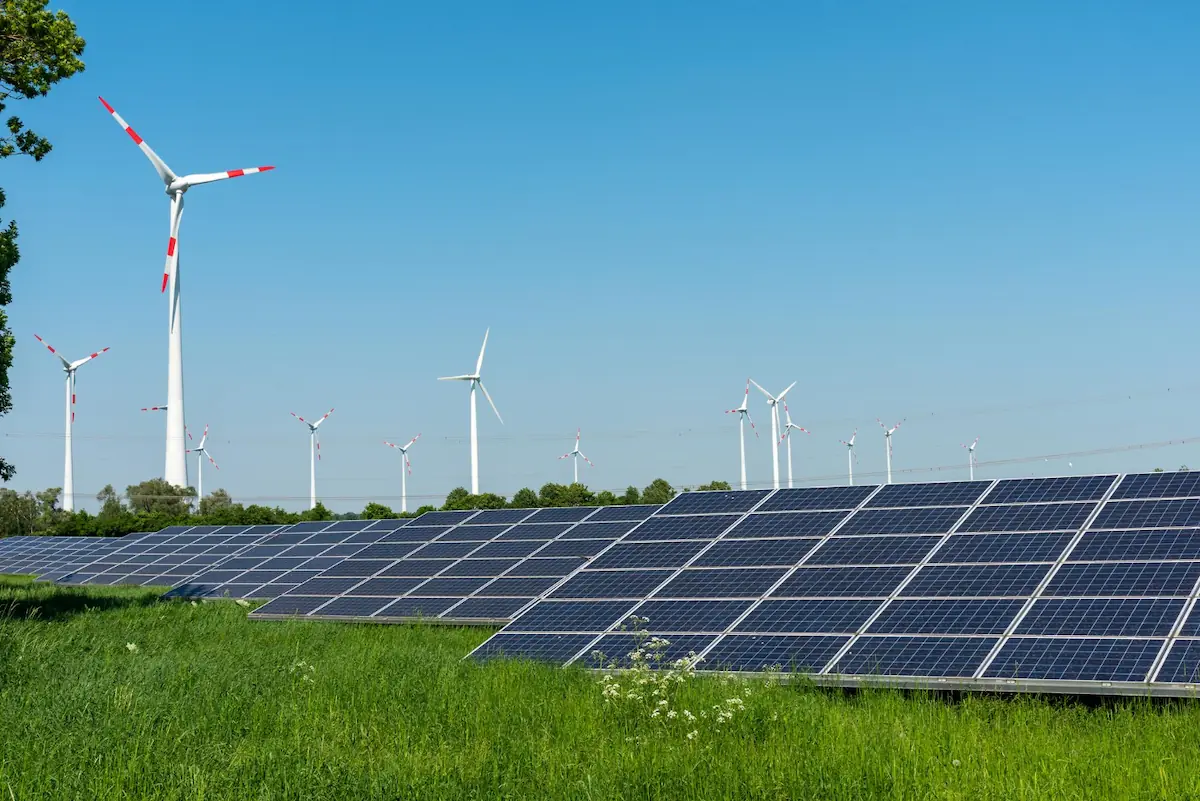
The use of alternative energy sources provides various advantages, especially for companies and industrial operations. Here are some of the main benefits:
- Reduced dependence on fossil fuels: With alternative energy, companies can reduce their consumption of fossil fuels, which are limited and subject to price fluctuations.
- Environmentally friendly and reduced carbon emissions: Renewable energy produces lower greenhouse gas emissions than fossil fuels, thereby supporting sustainability and the company's green image.
- Long-term cost efficiency: The use of alternative energy, such as solar, wind, or biomass, can reduce electricity and fuel costs in the long term.
- Supporting industrial sustainability: The use of clean energy strengthens the company's image as an environmentally responsible business.
- Energy supply stability: Renewable energy sources available at the company's location can increase business resilience and operational continuity.
That concludes the information on various alternative energy sources. The utilization of alternative energy plays an important role in reducing emissions, improving operational efficiency, and supporting environmental sustainability.
If your company wants to start switching to alternative energy or needs renewable energy solutions for industrial operations, trust the energy solutions services from Chandra Daya Investasi and our subsidiary, Krakatau Chandra Energi (KCE).
Read also: CDI Group Sets IPO Price