



Fluctuations in fossil fuel prices and the push for global energy transition have significantly changed the paradigm. Renewable energy investment is no longer just an “environmentally friendly” action.
Rather, it is an absolute business strategy for survival and for building a more resilient, sustainable economic foundation.
Beyond financial benefits, this step represents a tangible commitment to creating a greener, healthier, and safer future. For more details, don't miss the further explanation in the following article.
Renewable Energy Investment Potential in Indonesia
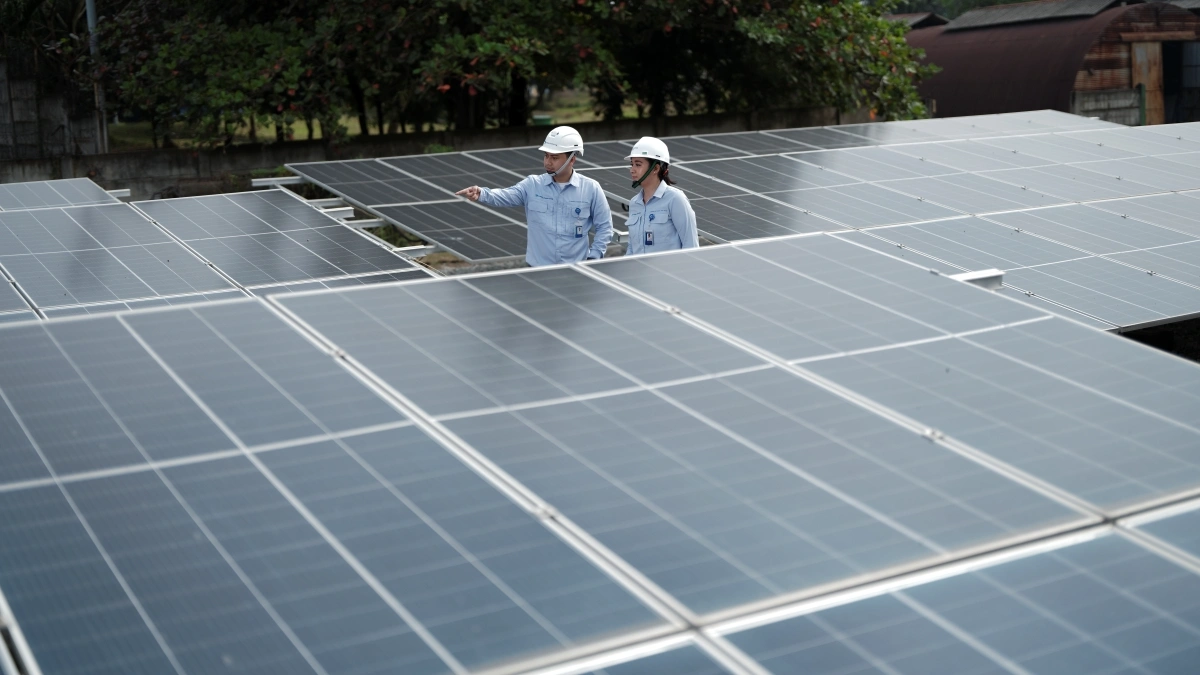
Indonesia has enormous potential for renewable energy. This includes various energy sources, such as solar, biomass, bioenergy, wind, hydro, and geothermal energy.
According to data from the Indonesian Ministry of Energy and Mineral Resources (ESDM) in 2023, Indonesia has a total renewable energy potential of 3,686 gigawatts (GW).
In fact, Indonesia's marine resources, ranging from currents and waves to tides, can also be converted into electricity, with an estimated total potential of nearly 3,700 GW. This indicates considerable room for further development.
The government has also taken various strategic measures, including Presidential Regulation No. 112 of 2022 on the Acceleration of Renewable Energy Development for Electricity Supply.
The purpose of issuing this policy is to create a more conducive investment climate by providing numerous conveniences for investors in the renewable energy sector. In this case, the government provides fiscal and non-fiscal incentives for investors.
For example, it offers various tax facilities, such as corporate income tax relief, import duty exemptions for renewable energy equipment, and competitive electricity tariff incentives for many renewable energy-based projects.
Then, simplify the licensing and regulatory processes to encourage the development of a green energy investment ecosystem. A concrete example is implementing a transparent Online Single Submission system.
The system is aimed at minimizing bureaucratic obstacles in accelerating renewable energy projects in Indonesia. The government also continues to seek cooperation with international financial institutions to provide green financing schemes.
With this potential, Indonesia has become one of the countries in Southeast Asia with very attractive, promising, and profitable renewable energy investment prospects for the future.
The Importance of Switching to Renewable Energy
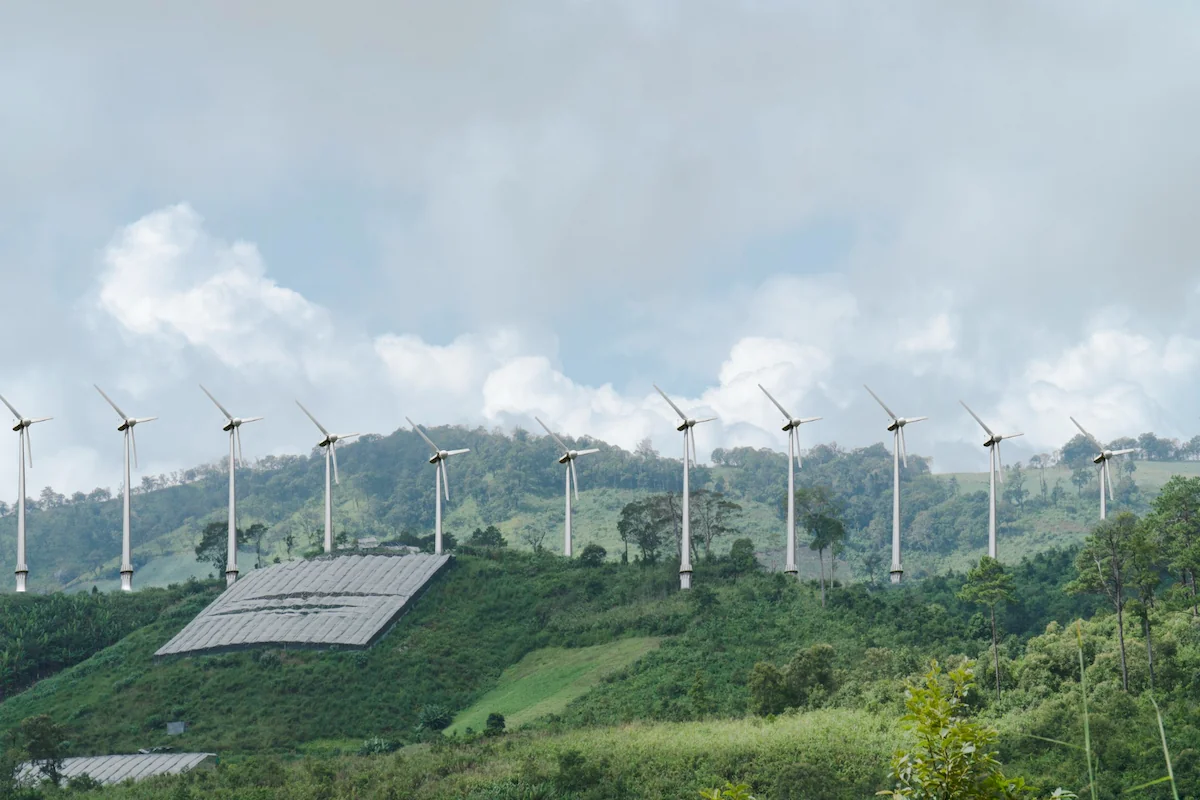
Renewable energy is a sustainable solution for future energy needs. Switching to this sector means securing investments against losses due to climate change and unpredictable energy price fluctuations. Here are some other reasons:
1. Energy Source Diversification
Fossil fuels are known as a very limited resource. Therefore, efforts are needed to diversify energy sources, including renewable energy, to increase national energy security and create an independent, sustainable energy system.
2. Utilizing Abundant Natural Resources
Indonesia's abundant year-round sunlight makes solar power plants the largest source of environmentally friendly and efficient energy. As a result, it can effectively and significantly meet national energy needs.
3. Reducing Greenhouse Gas Emissions
Biomass, solar power, and wind power can generate energy without carbon emissions. Their use is effective in reducing greenhouse gas emissions, thereby preventing climate change. This will create ecosystem sustainability for future generations.
4. Promoting Growth and Job Creation
The renewable energy sector is projected to be a driving force for the economy and infrastructure, thereby optimizing the real welfare of local communities.
For example, solar power plant projects create many job opportunities in technology development, installation, and maintenance.
Read also: Chandra Daya Investasi Affirms No Plans for ExxonMobil Indonesia Acquisition
Why Invest in Renewable Energy Now?

Clean energy technology has evolved rapidly. In 2026, global investment trends show a massive shift away from conventional fuels toward wind power plants, solar power plants, and energy storage technologies.
This could be a golden opportunity for investors to enter this booming sector. Here are some reasons to invest in renewable energy now.
1. Creating Many New Jobs
According to the International Energy Agency, most energy efficiency jobs can create local employment opportunities in small and medium-sized businesses. The projection is that this will grow sixfold (employing more than 21 million people over the next 30 years).
By 2050, it is estimated that the number of jobs in the renewable energy sector worldwide will increase more than threefold, to 42 million.
When considering the overall impact, including jobs related to infrastructure and electricity grid flexibility, the total increase reaches 100 million. In contrast, the fossil fuel industry will lose more than a million jobs.
This prospect still requires proactive government intervention to run optimally. For example, by developing strategic planning and diversifying economic activities for affected workers or communities.
2. Generating 3-8 Times Economic Profits
In general, investing in renewable energy can bring significant economic benefits. The International Renewable Energy Agency (IRENA) has assessed the socioeconomic impact of several scenarios.
This is recorded in the 2020 Global Renewables Outlook Report. It explains that an ambitious but realistic energy transformation will limit global temperature increases to well below 2 °C.
This could cost up to $19 trillion more than the business-as-usual approach. However, it is estimated to provide benefits worth $50–$142 trillion by 2050 and increase global gross domestic product by 2.4%.
3. Global Opportunities to Accelerate the Transition to Clean Energy
The fossil fuel industry (such as oil and gas companies) has been significantly affected by COVID-19, resulting in a loss of approximately 45% of its total market value. Over the past decade, more funds have been spent on share buybacks and dividends.
Efforts to restore economic conditions include reducing energy-related carbon dioxide emissions by half in 2030 and by another half in 2040. Net-zero emissions are targeted for 2050.
This substantial reduction is beneficial in preventing the adverse effects of climate change caused by dependence on fossil fuels. Concrete steps include promoting the diversification of industrial energy to low-carbon technologies such as hydrogen, ammonia, or solar heat.
Reliable Renewable Energy Solutions from Krakatau Chandra Energi
Based on the information presented above, it is clear that shifting investment to renewable energy is key to future industrial competitiveness, maximizing long-term operational cost efficiency, and achieving carbon emission targets.
Given Indonesia's abundant solar potential, adopting Solar Power Plants (SPPs) can be a measurable, promising investment.
Your business can begin its energy transition journey with Krakatau Chandra Energi. As a subsidiary of Chandra Daya Investasi, #YourGrowthPartner is ready to provide integrated renewable energy solutions, from planning to operations.
Various services are available, including the construction and maintenance of solar power systems, as well as plans to develop other renewable energy solutions in the future.
What are you waiting for? Let's make your business a driver of a greener and more sustainable future by choosing Chandra Daya Investasi and Krakatau Chandra Energi as your partners today!
Read also: CDI Group Expands Solar Power Portfolio to 11 MWp by November 2025