



Activities in ports must be supported by various infrastructures, ensuring the uninterrupted sea freight. One of the structures you can find in the port is a jetty pier. It helps ships carry out several operational activities.
Furthermore, a jetty pier upholds logistics and freight operations. You can see a jetty pier in ports, industrial complexes, and coastal areas. To understand more about a jetty pier, read this article!
What Is a Jetty Pier?
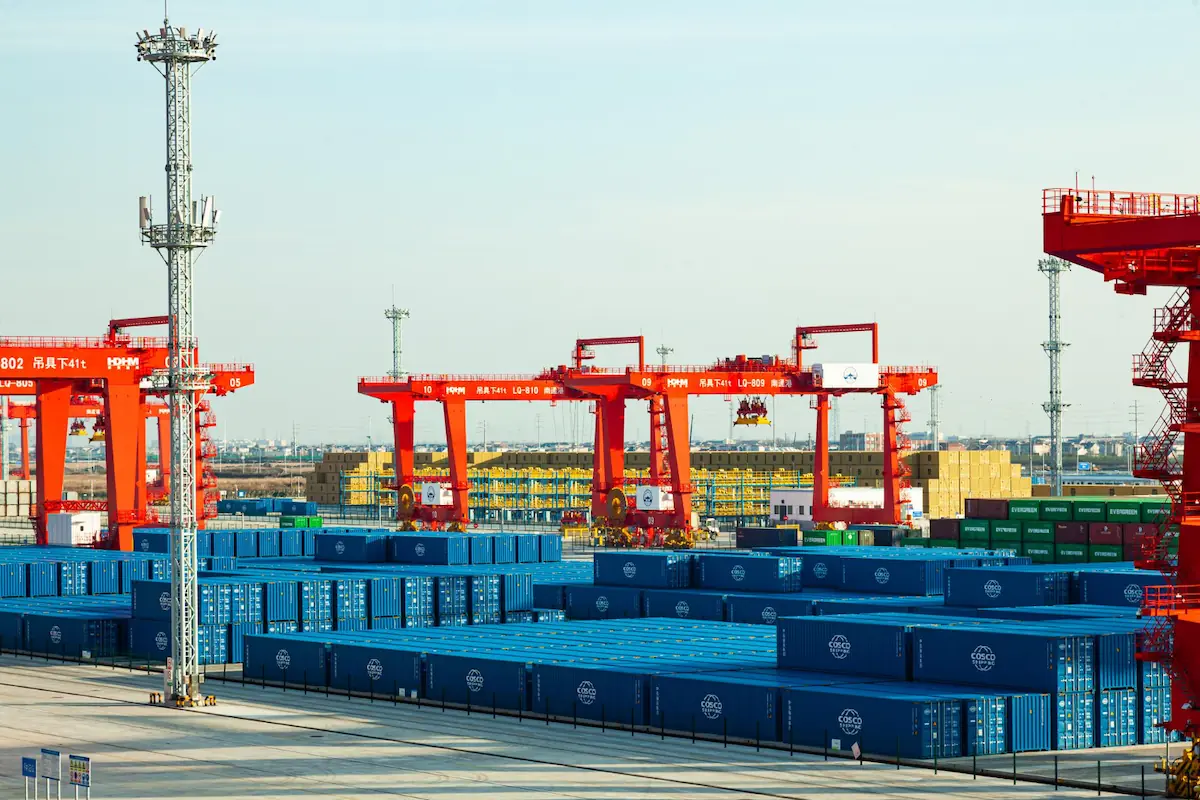
A jetty pier is a structure that extends into the sea, river, or other water bodies. It serves as a place for ships to dock for activities such as loading and unloading cargo, refueling, and boarding and disembarking passengers.
Generally, a jetty extends into deeper waters, allowing vessels to dock safely without approaching the shoreline.
Jetty structures are typically supported by piles and equipped with various supporting facilities, such as fenders, bollards, and access ramps connecting the shore to the berthing area.
In practice, a jetty pier is widely used in ports, industrial terminals, and energy facilities like refineries and LNG terminals.
Functions of a Jetty Pier
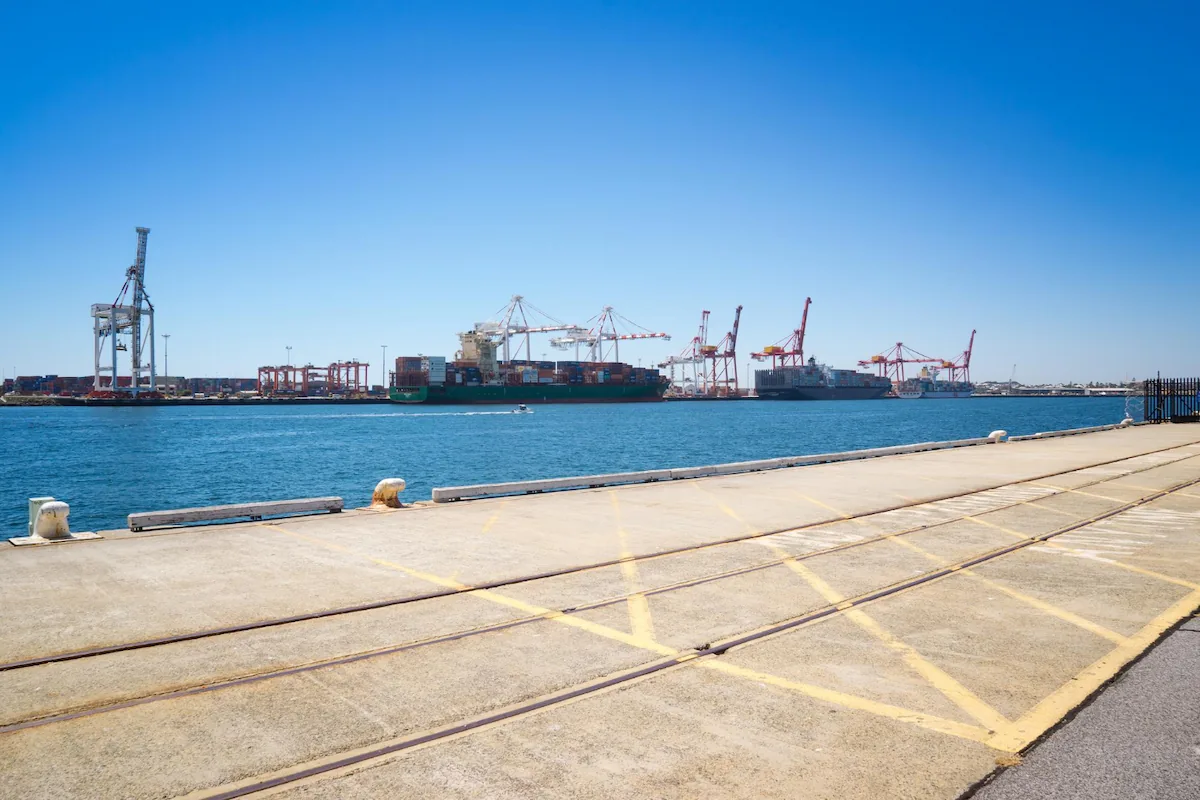
A jetty pier has an important role in the maritime industry and port operations. It ensures steady operational processes at sea. Moreover, a jetty also serves some functions, such as:
1. Protecting Ports and Shorelines
A jetty protects the maritime area, muffling tides and preventing abrasion at shorelines and ports. It also keeps the water calm as well as maintains the structure’s stability and strength.
2. Regulating Water Flow and Avoiding Erosion
Besides, a jetty shapes and maintains the underwater condition. Its design directs water flow and keeps the fairway safe, allowing small ships and large vessels, like tankers, to pass through safely.
Without a jetty, the natural process of sedimentation could cause the waters to become shallow, hindering ship access to the port and disrupting the maritime trade.
3. Supporting Ship Navigation and Protecting the Coast
A jetty can support the marine ecosystem because its structure becomes a place for marine biota to live. Algae, shells, and clams stick onto the underwater structures.
In addition, a jetty supports ship navigation, directing the ship's movement path while keeping water conditions more stable. That way, vessels can maneuver and perform other operational processes, such as anchoring, as well as unloading and loading goods safely.
Read also: Redeco Petrolin Utama Announces New Management Team
Types of Jetty Piers
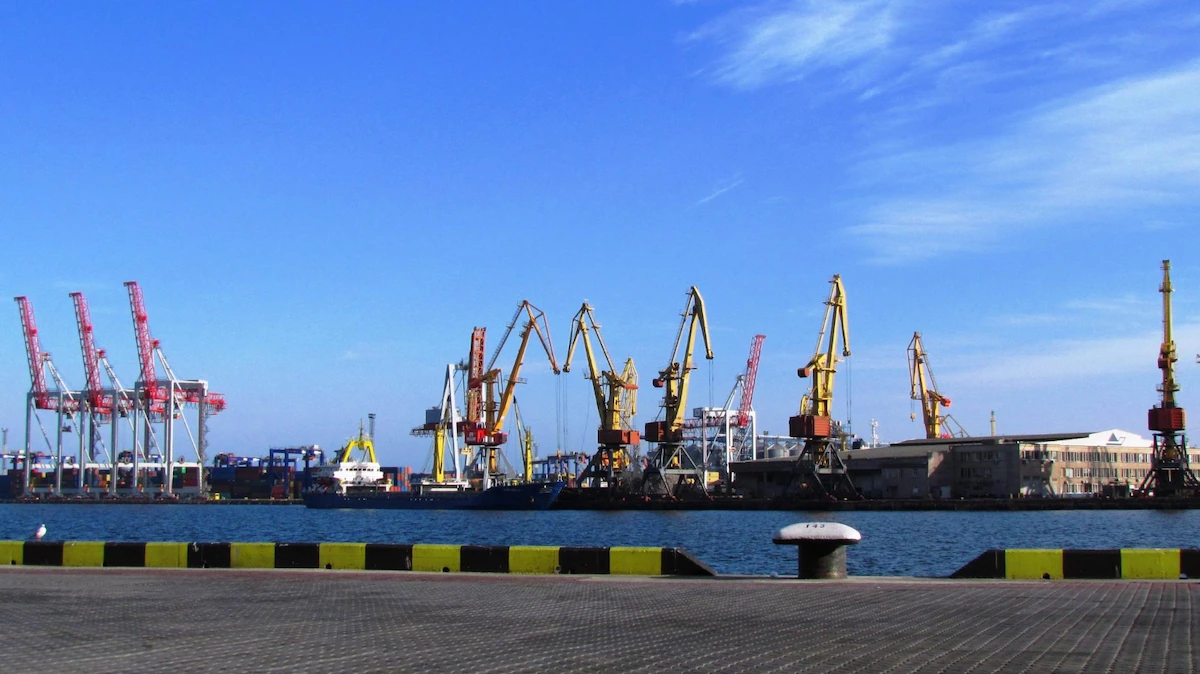
A jetty pier is categorized into several types based on its function, operational location, and structure. Every jetty serves distinct benefits and properties. Below is the complete explanation:
- Finger pier: It is typically used in marinas or small ports. It extends from the main pier, creating several berthing spaces for small boats or vessels.
- T-head pier: As the name suggests, it is shaped like the letter “T,” extending from the shore and widening at the end. This design provides additional space for vessels to berth on both sides.
- Training jetty: It is designed to direct and control water flow in shipping channels or harbor entrances. This structure helps keep the ship’s path stable and navigable.
- Combination jetty: Several types of jetties are combined and connected into a single system to protect the shoreline from erosion while providing more berthing space for ships and boats.
Secure and Professional Port Solutions
A jetty pier is a key infrastructure for port operations. It works as a ship docking area and facilitates the unloading and loading of goods.
To support your industrial raw material distribution process and other port activities, Chandra Daya Investasi, as #YourGrowthPartner and a subsidiary of Chandra Asri Group, offers integrated ports and storage solutions, complete with a jetty rental facility and a petrochemical warehouse.
Chandra Daya Investasi, through PT Redeco Petrolin Utama (RPU), provides two 200-meter jetties that can carry up to 35,000 DWT vessels and 72 storage tanks with a total capacity of 130,000 m3, designed for specific chemicals.
In addition, RPU also provides other essential assets, such as a centralized fueling station for tankers, a customer order service system, and oil booms to handle oil spills at sea.
With high safety standards and professional operations, Chandra Daya Investasi’s port services help ensure that your company’s logistics and supply chain management run smoothly, safely, efficiently, and under control.
Let’s confide your raw material storage and port needs to Chandra Daya Investasi for easier and safer operations!
Read also: CDI Group Officially Listed on IDX to Support Southeast Asia’s Expanding Infrastructure Need