



A Water Treatment Plant (WTP) is a facility that treats contaminated water to produce clean water safe for drinking or daily use. At the WTP, water undergoes several processes to remove impurities, sediment, and harmful pathogens.
For communities, businesses, and governments, the WTP is essential to ensure that the available water is always clean and safe to use. Read this article to the end to learn how a WTP works and why its role is so vital to daily life.
What Is a Water Treatment Plant?
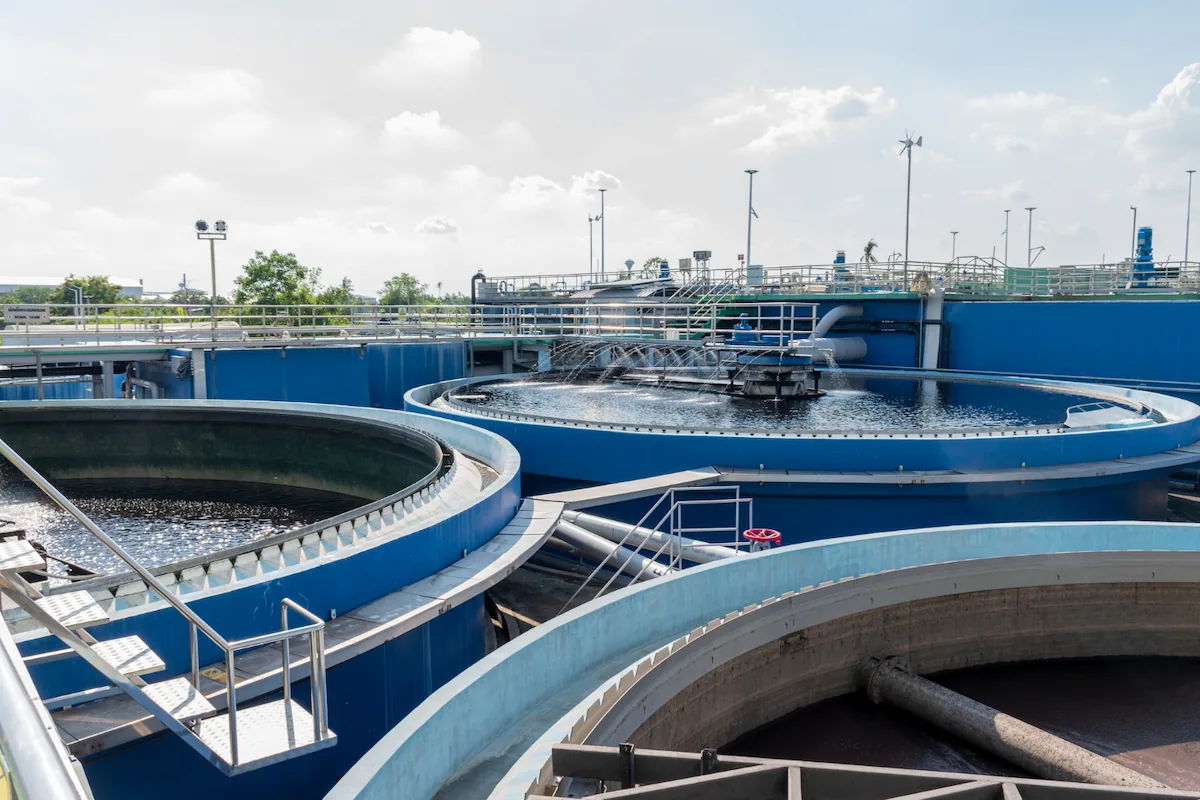
A Water Treatment Plant (WTP) is a system designed to treat contaminated water to meet quality standards.
WTPs not only provide drinking water but also treat wastewater from households and industries.
With rapid population growth and urbanization, the existence of WTPs has become essential to ensure a sufficient and safe supply of clean water for the public.
According to GoodStats, data on clean water in Indonesia indicates that public access to safe drinking water continues to improve, although challenges remain regarding distribution and water leakage.
According to the 2022–2024 Clean Water Statistics Report, 92.64% of households in Indonesia had access to safe drinking water by 2024. This figure includes 85.26% of households in urban areas and 69.43% in rural areas.
On the other hand, households using clean drinking water sources were recorded at 78.72%, indicating that further efforts to improve access to clean water are still needed.
Functions of Water Treatment Plants
The primary function of a Water Treatment Plant (WTP) is to treat raw water into safe, clean water that meets health standards. WTPs not only provide high-quality drinking water but also help reduce waste and pollutants that could contaminate the environment.
By treating wastewater before discharging it into rivers, lakes, or the sea, WTPs help maintain a healthy ecosystem and prevent environmental damage.
Additionally, WWTPs support industrial water needs by ensuring good water quality, which can improve production process efficiency, protect machinery and equipment, and help companies meet applicable environmental standards.
Thus, WWTPs play a vital role for communities, the environment, and the industrial sector.
Read also: Strengthening CDI Group’s Role: Chandra Asri Group and EGCO Inject Additional Capital
How a Water Treatment Plant Works
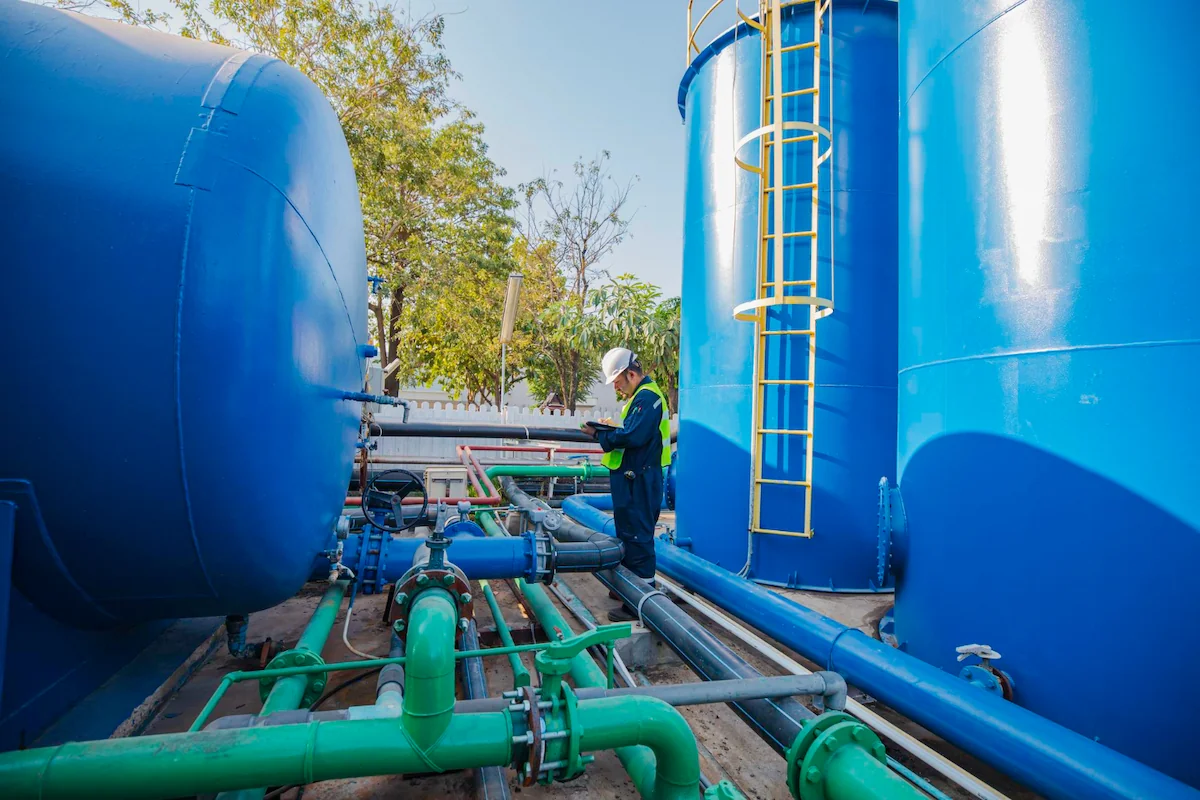
The water treatment process at a Water Treatment Plant (WTP) involves several stages to ensure the resulting water is truly clean and safe. Here are the main steps:
- Coagulation and Flocculation: Special chemicals are added to the water to cause small particles to clump together into larger particles, making them easier to separate.
- Sedimentation: The coagulated water is directed into a dedicated tank, where heavier particles settle to the bottom.
- Filtration: Water passes through layers of sand, gravel, or activated carbon to filter out small impurities and residual substances.
- Disinfection: Substances such as chlorine or ozone are used to kill germs and bacteria, making the water safe to drink.
Benefits of Water Treatment Plants
Water treatment plants not only purify water but also have various positive impacts on daily life. Here are some of the main benefits of water treatment plants:
1. Public Health
By removing impurities, harmful substances, and germs from water, WTPs help ensure that the water used by the public is safer. Treated water poses a lower risk of causing disease. This is crucial for maintaining public health while preventing the spread of waterborne diseases.
2. Natural Resource Management
A well-functioning WTP can help manage the availability of water resources. With the support of continually evolving technology, WTPs can treat water more efficiently, leading to more economical water use. This process also helps reduce waste and ensures that water resources are used more efficiently.
Read also: CDI Group Expands Solar Power Portfolio to 11 MWp by November 2025
3. Regulatory Compliance
Water treatment facilities help ensure that the treated water meets the quality standards set forth in applicable regulations. Practically speaking, this management also involves implementing industrial wastewater treatment facilities to treat wastewater before it is discharged into the environment.
With proper treatment processes, the distributed water can be used safely. This is also crucial to ensure that water management remains compliant with regulations and prevents environmental pollution.
4. Support for Industrial Needs
Water treatment plants also support various industries that require water of a specific quality for production processes. In their operations, some industries also implement simple wastewater treatment systems to help treat wastewater before discharging it into the environment.
With proper water treatment, the demand for clean water in the industrial sector can be met, enabling operations to run more efficiently and minimizing environmental impact.
Chandra Daya Investasi as an Integrated Water Treatment Solution
Chandra Daya Investasi serves as #YourGrowthPartner, supporting industrial needs. As an integrated water treatment solution and part of the Chandra Asri Group, Chandra Daya Investasi provides water management solutions through PT Krakatau Tirta Industri.
Through this service, water is treated to ensure compliance with environmental standards while enabling the reuse of treated water.
Krakatau Tirta Industri manages the operations and maintenance of the Biotreatment Blast Furnace wastewater treatment plant (WWTP) at the PT Krakatau Steel Complex, which has a capacity of 32 m³ per hour and uses a biological treatment process.
Additionally, PT Krakatau Blue Water, a joint venture between Krakatau Tirta Industri and Blue O&M Ltd., also operates an end-of-line WWTP with a capacity of 17,000 m³ per day. Furthermore, Krakatau Tirta Industri treats building wastewater to reuse it for the building’s cooling system.
Through these various services, Chandra Daya Investasi continues to provide water management solutions that support industrial operations while protecting the environment. Let’s optimize water management as a renewable energy source together with Chandra Daya Investasi.
Read also: 6 Types of Alternative Energy Sources for the Future