



In large-scale modern industries, water is not just a raw material. Moreover, water is a critical component that can determine the longevity of production machinery.
The use of raw tap water or groundwater often poses a risk of mineral scaling, which can damage crucial components. This is where demineralized water for industry plays a vital role.
Demineralized water is now the standard for water needs in quality-based industries. In fact, it is referred to as the backbone of industrial operations. Why is that?
This is because water that provides a pure solution, free from various contaminating minerals, is believed to mitigate risks that hinder the production process.
This article will explain more about the definition, manufacturing process, and functions of demineralized water for industrial use. So, read on until the end.
What Is Demineralized Water?
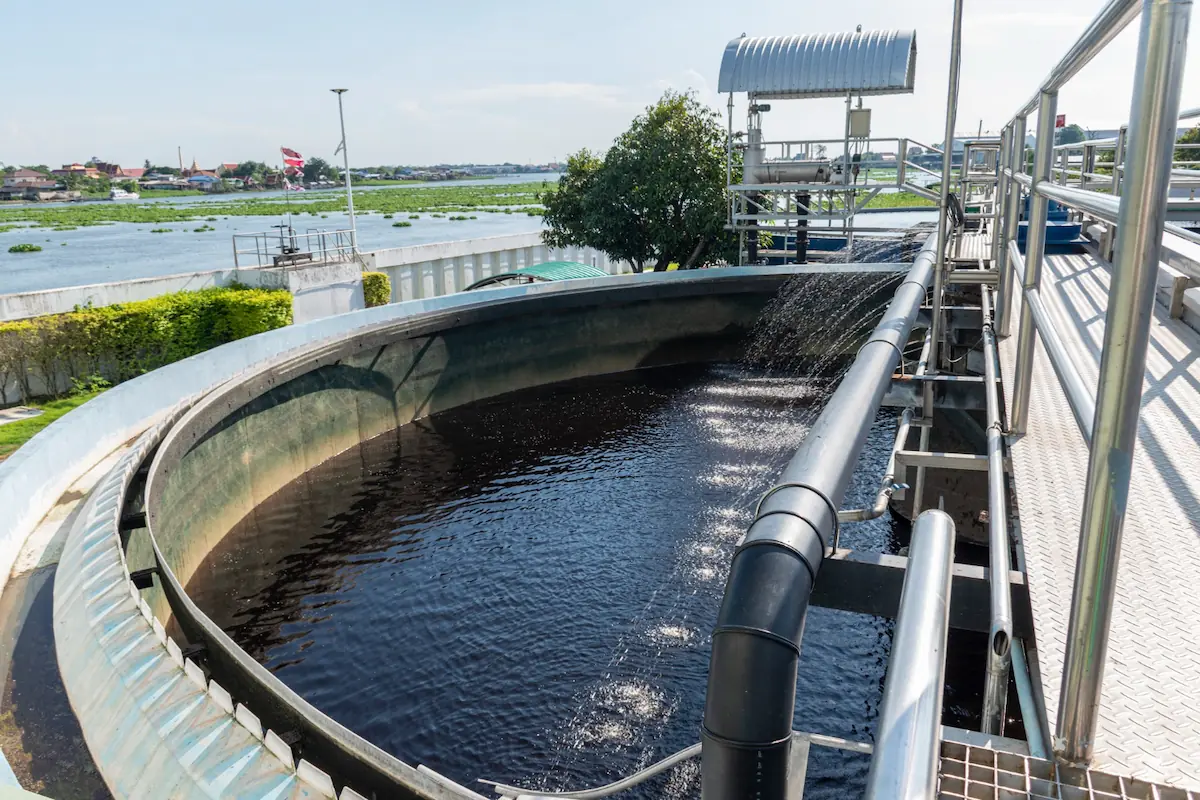
Demineralized water is water that does not contain minerals such as calcium, magnesium, and various other metal ions.
Another name for this type of water is purified water, because it has undergone a series of treatment processes to remove dissolved minerals, making it highly purified.
Basically, the methods used to demineralize water are quite diverse, and not all of them can remove mineral content from water.
Therefore, the term refers primarily to the ion-exchange process that removes almost all ionic mineral contaminants.
But is demineralized water for industrial use safe for consumption? Health experts generally do not recommend drinking demineralized water.
According to research in the journal Environmental International, drinking low-mineral-content water increases the risk of tooth decay.
Furthermore, a study by Environ Health (2024) also revealed that drinking highly purified water (with minerals removed) over the long term can have adverse effects, namely a decrease in the quality of certain nutritional intake.
This is why demineralized water is more commonly used in industrial settings. The examples can be found in cleaning tools or machinery in factories.
Demineralized Water Production Process
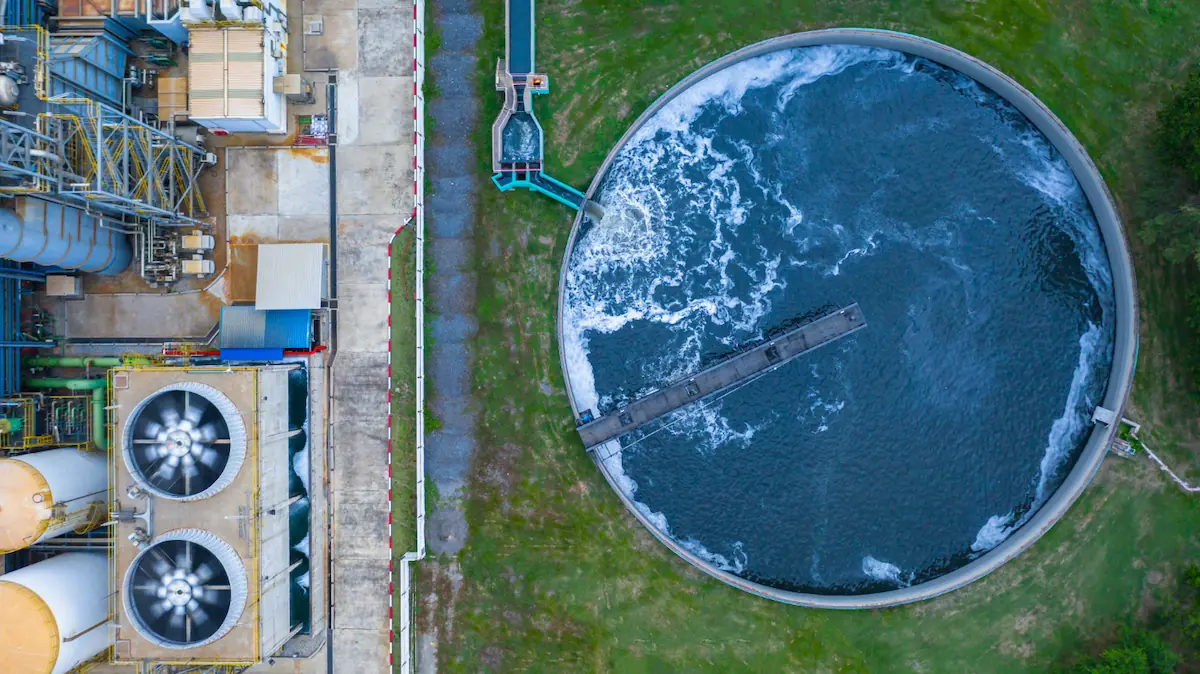
As explained above, there are various methods of water purification. Some of the most common methods for producing demineralized water are distillation, reverse osmosis, deionization, and electrodialysis. The explanations are as follows.
1. Distillation
Distillation is a process in which water is heated to produce hot steam. The steam is then collected and left to cool.
The cooled vapor turns back into water. This process separates minerals and salts from the water until they are completely removed.
During the heating process, this method, which has been used for many years to purify water, can also eliminate certain types of microbes, such as bacteria and protozoa.
Not only that, the distillation process can remove heavy metals and other harmful contaminants, resulting in high-quality demineralized water.
However, this method is considered impractical, especially for use in residential environments. This is because it requires specialized equipment that is often complicated.
2. RO (Reverse Osmosis)
This demineralization method is often applied in homes. Through a system that reverses the natural osmosis process, the resulting water is considered safe, clean, and well-filtered.
Reverse osmosis is also known as membrane filtration and hyperfiltration. In this process, water is forced through a membrane under high pressure to separate it from dissolved minerals, salts, viruses, heavy metals, and bacteria.
The process continues until both solutions reach equilibrium. In addition to home use, the main process of water desalination and demineralization is also used to produce pure water in certain industries, such as food production and agriculture.
Compared with distillation, RO is more economical because the equipment is small and easy to install at home.
3. DI (Deionization)
Next is deionization. This method is more complicated and is used only for industrial applications that require large volumes of demineralized water.
In the deionization process, water passes through two ion exchange resins with opposite charges. The anion exchange resin is positively charged, while the cation exchange resin is negatively charged.
These two resins play an important role as exchange agents, removing minerals from the water. Although effective, this process cannot remove other harmful contaminants, such as organic chemicals, bacteria, and viruses.
4. Electrodialysis
Another method of water purification is electrodialysis. This membrane filtration process for demineralizing water uses an electric field.
The combination of this method with ion exchange resin is considered capable of efficiently removing ions and minerals from water without requiring regeneration of the ion exchange resins.
Read also: CDI Group Expands Solar Power Portfolio to 11 MWp by November 2025
The Function of Demineralized Water for Industry
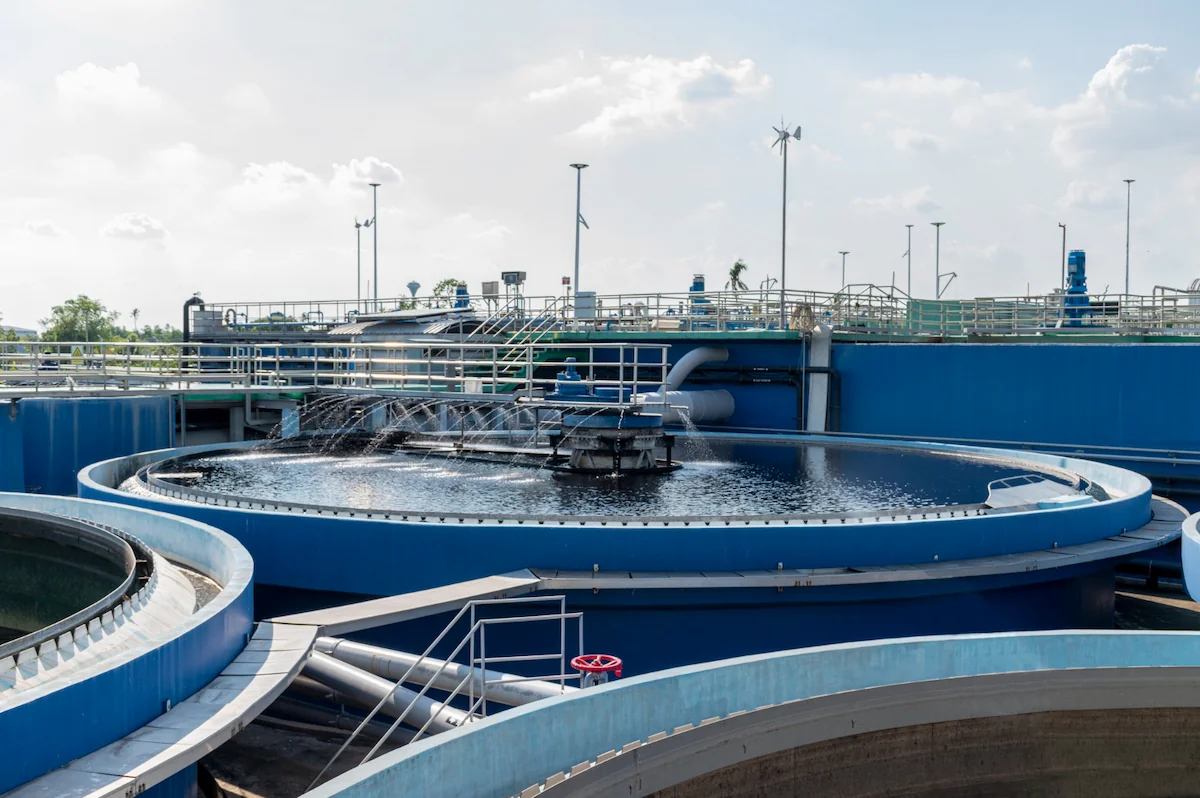
In general, demineralized water plays an important role in the industry. Minerals in water can be a “foe” that risks compromising the quality of the final product. This is because mineral content causes corrosion in machinery and scaling in pipes.
Conversely, demineralized water, which contains very few metal impurities, is unlikely to contaminate other substances or materials. The following are some applications or functions of demineralized water in industry.
1. Pharmaceutical and Cosmetics Manufacturing Industries
In this case, demineralized water is used as a raw material, additive, and solvent in the manufacturing and formulation of pharmaceutical products.
Demineralized water in the pharmaceutical industry is considered a mandatory standard. Medicines that are traded and consumed must be produced using demineralized water.
In fact, the Indonesian Food and Drug Administration (BPOM) has implemented strict regulations on the use of water in drug production.
On the other hand, the use of demineralized water in cosmetic formulations is to control the quality and safety of the ingredients contained therein.
2. Laboratories
Demineralized water is used in laboratories as a solvent for preparing solutions and buffers. Additionally, it has several other functions:
- To dilute chemical concentrations.
- To extend the service life of sterilization chambers in autoclaves.
- As a cleaning agent for tools and containers, especially breakable items.
3. Food and Beverage Industry
It is known that some food and beverage products require water free of mineral contamination in their production. Although it may sound contradictory, this is necessary to ensure consistency in product quality and taste.
4. Power Plants
Next, demineralized water is used in steam power plants to prevent scale buildup in boilers. Scale buildup can reduce efficiency by up to 30% and damage equipment worth billions of rupiah.
5. Electronics Manufacturing
Another function of demineralized water is in other industries, namely electronics manufacturing. Demineralized water is used for washing and cleaning highly sensitive electronic components that are prone to mineral contamination.
Demineralized Water Treatment Solutions for Integrated Industries
The use of high-quality demineralized water is no longer an option but a necessity to protect assets and guarantee production quality.
Therefore, efficient water management is necessary. Well-managed demineralized water can increase machine lifespan to support productivity.
Amidst intense industry competition, a sustainable supply of pure water with well-integrated water treatment infrastructure must be seriously considered.
In this regard, your company can rely on Chandra Daya Investasi, #YourGrowthPartner, as part of an effective solution.
Through our affiliate company, Krakatau Tirta Industri, we offer industrial water solutions tailored to your company's needs.
Our raw water sources come from the Nadra Krenceng Reservoir, the Cidanau River, and the Cipasauran River. We also operate the Cidanau Water Treatment Plant and the Krenceng Water Plant with capacities of 600 liters per second and 1,800 liters per second, respectively.
So, let's achieve sustainable industrial operations by entrusting your company's water needs to Chandra Daya Investasi and Krakatau Tirta Industri now!
Read also: Chandra Daya Investasi Affirms No Plans for ExxonMobil Indonesia Acquisition